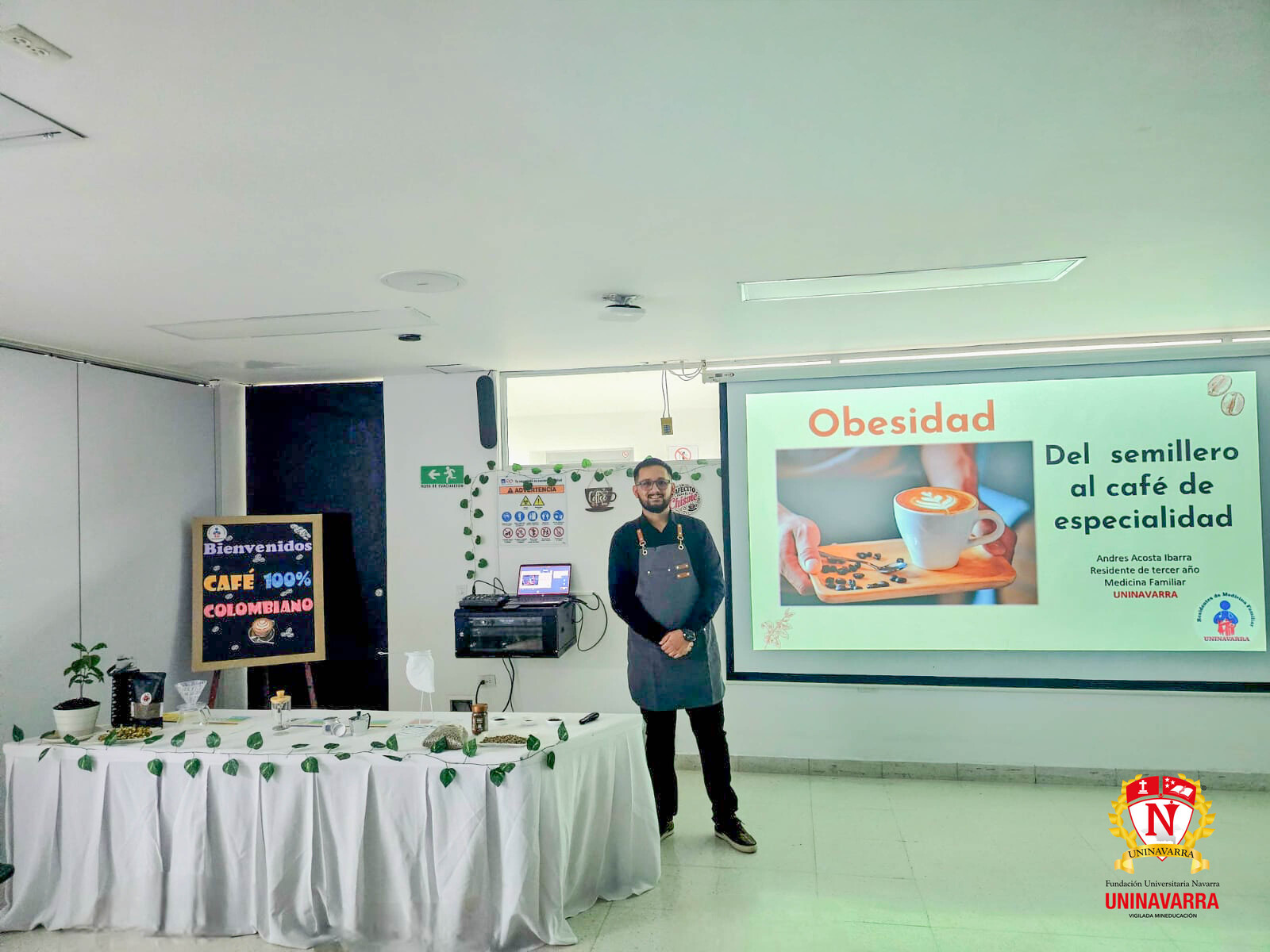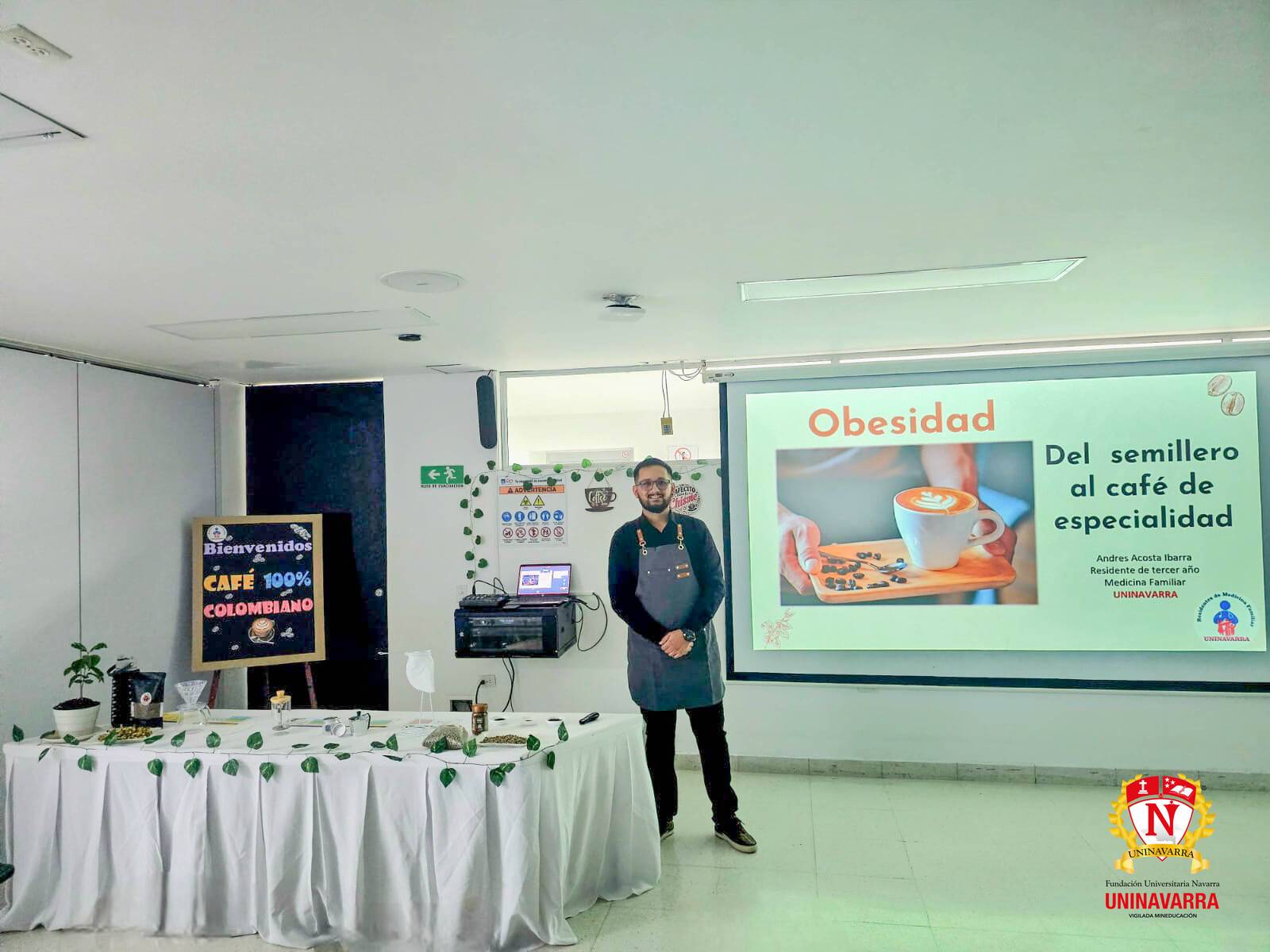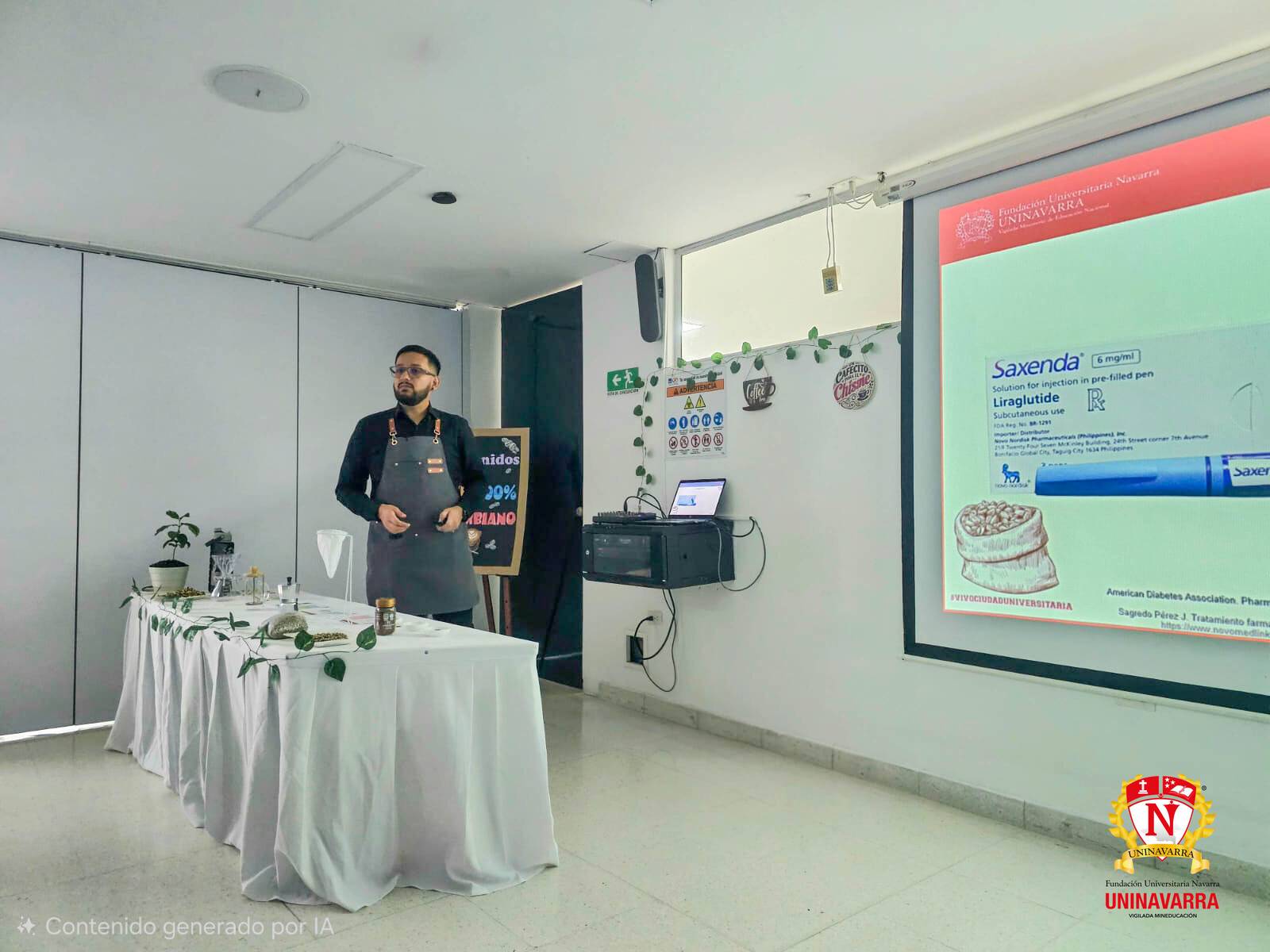
On February 26th, 2026 coffee and barrismo represent dedication, science and sensibility; behind each cup there is a process that combines soil, technique and passion. In Huila, a coffee growing region par excellence, to speak of coffee is to speak of identity, culture and knowledge. Under this same metaphor, obesity is no longer understood as a simple number on the scale, but rather as a complex process that, like coffee, is cultivated in multiple determinants, evolves over time, and can be transformed through precise, timely, and evidence-based interventions. Thus, the “metabolism cafeteria” became a pedagogical scenario where biology and everyday life dialogued with academic depth and social sense.
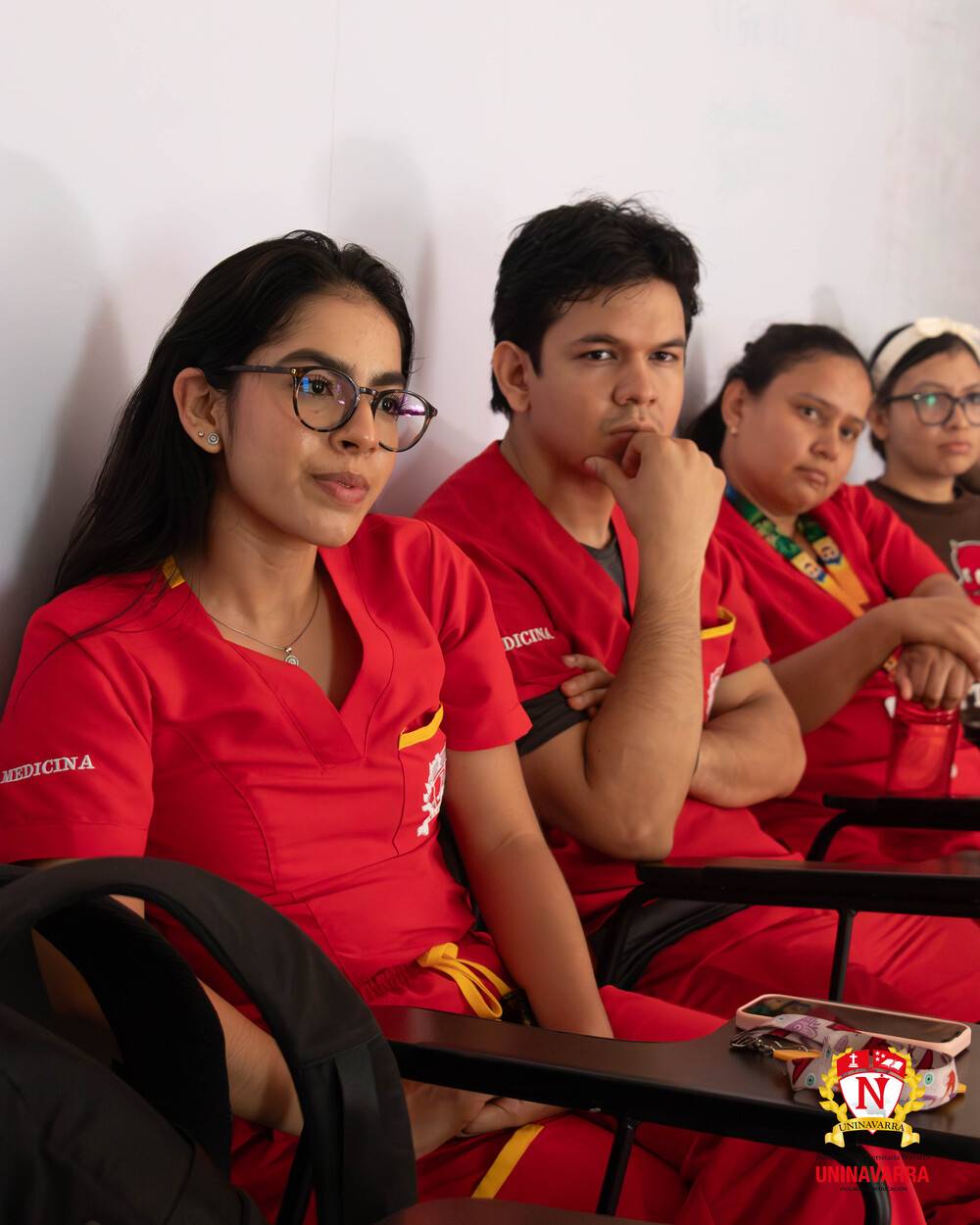
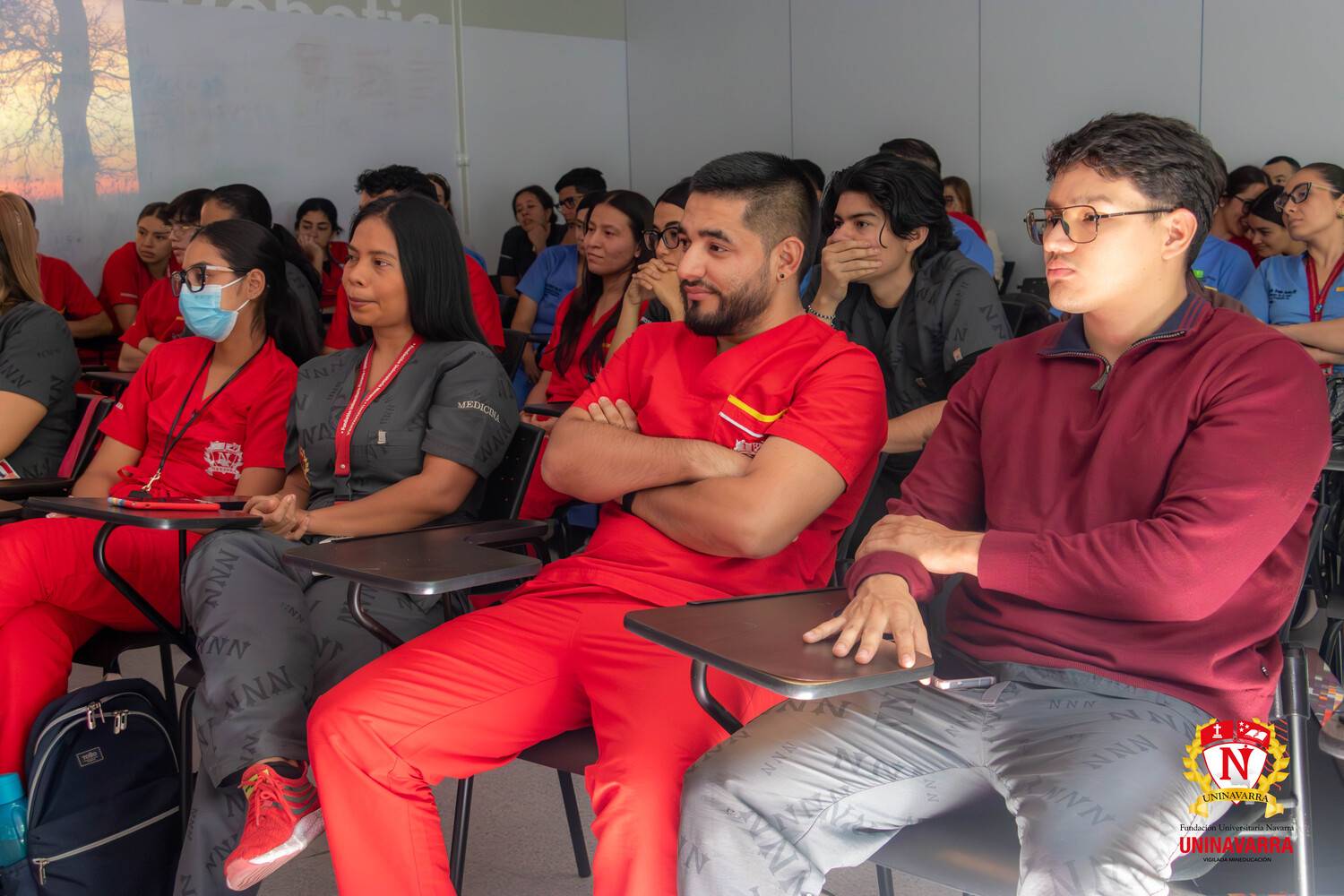
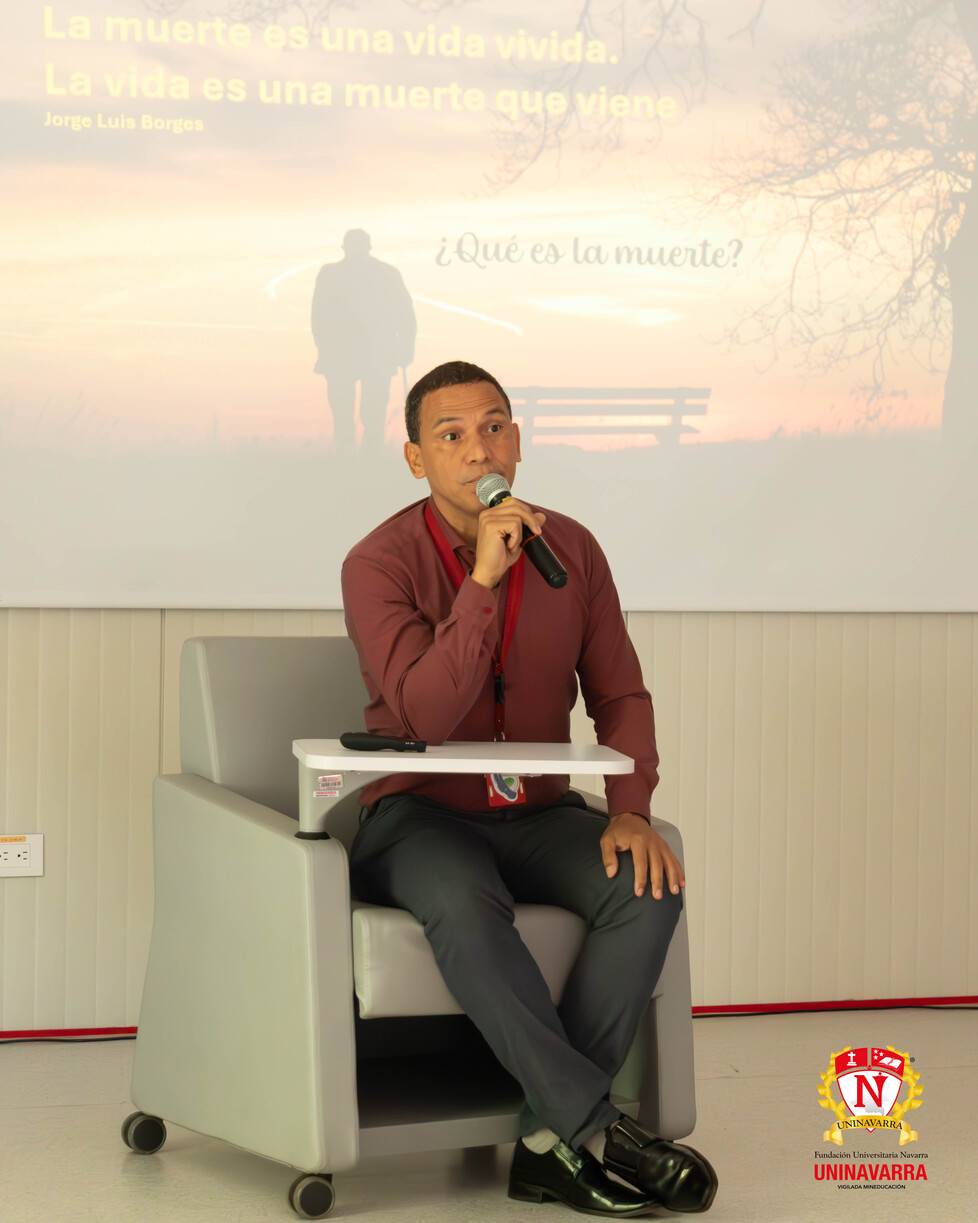
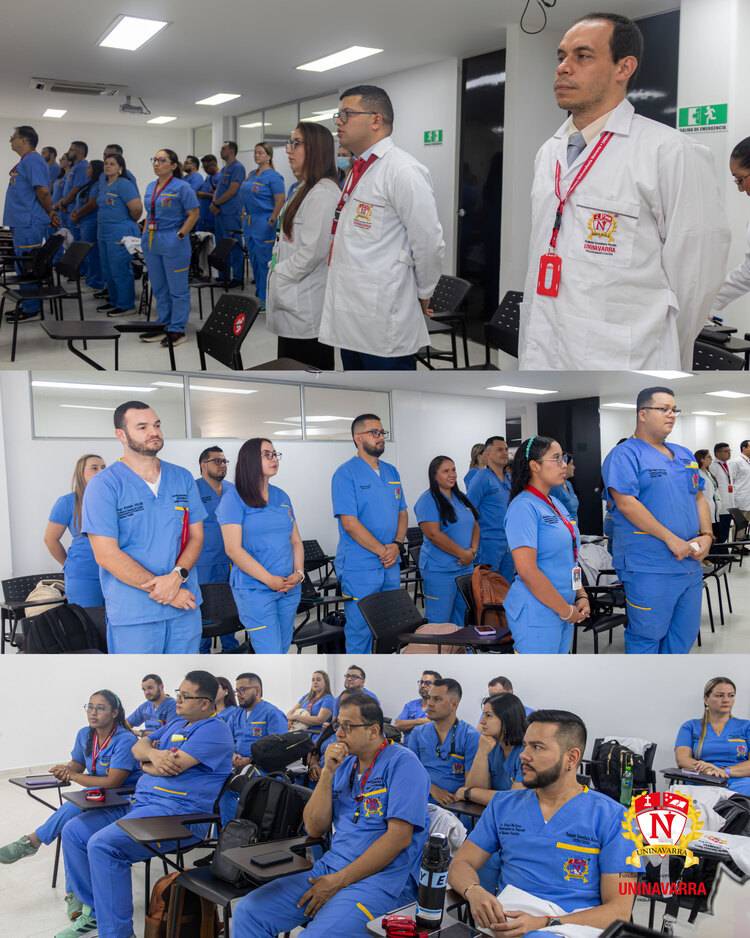
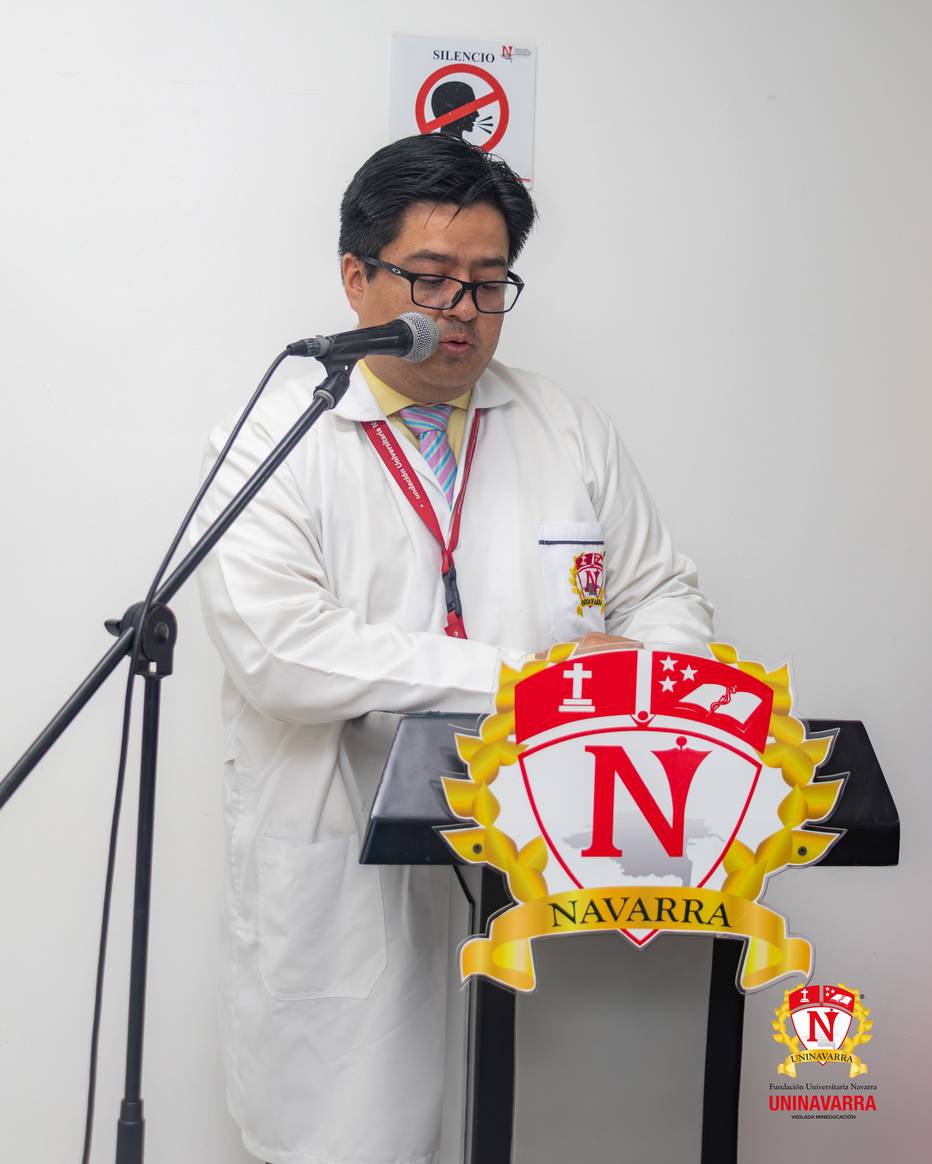
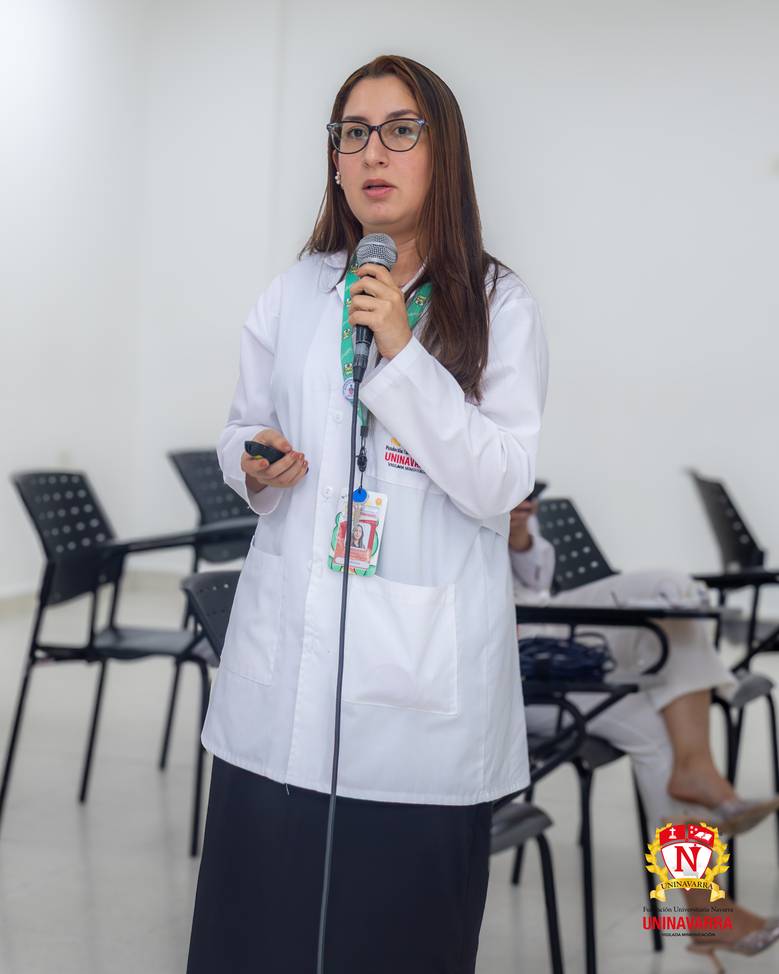
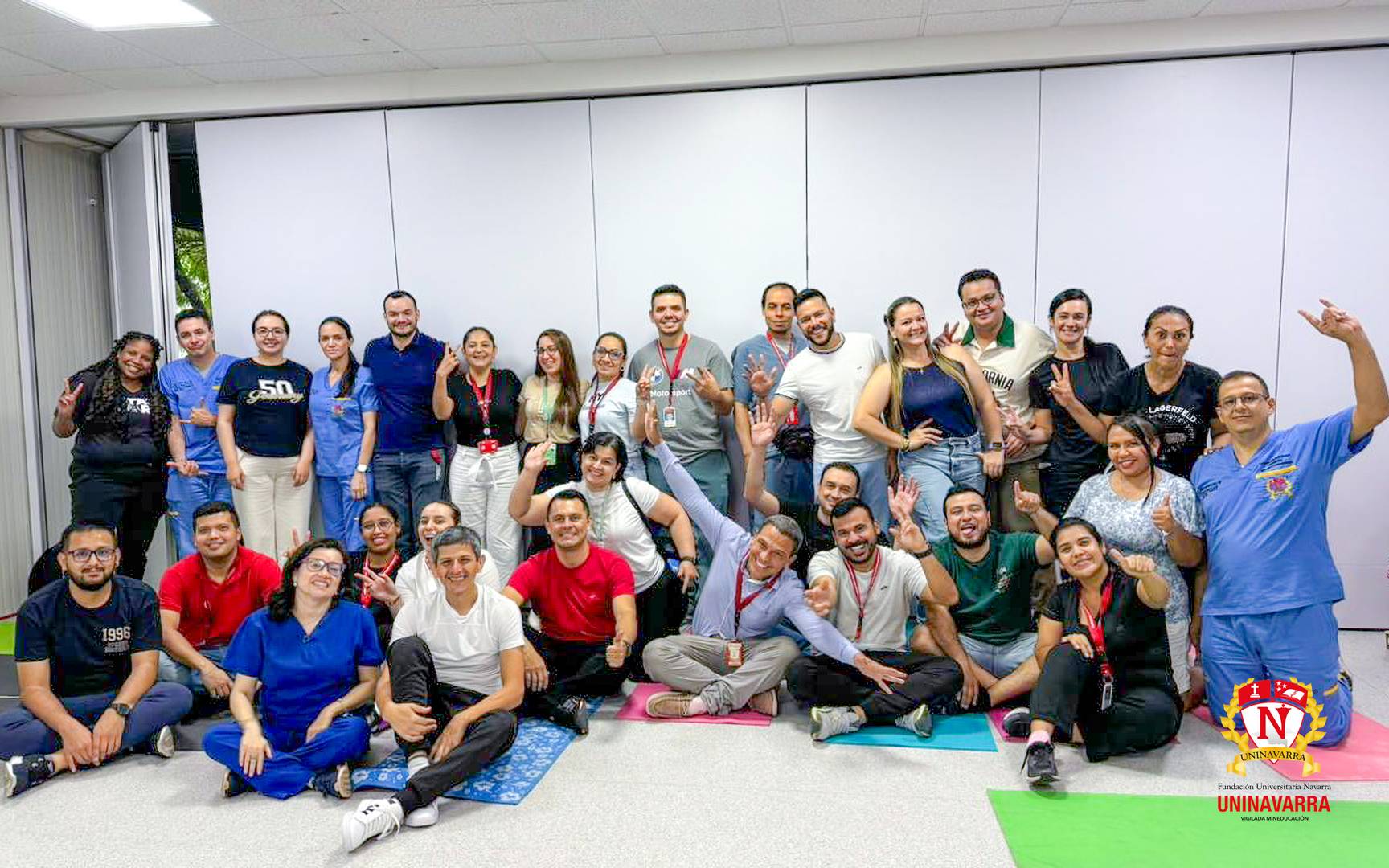
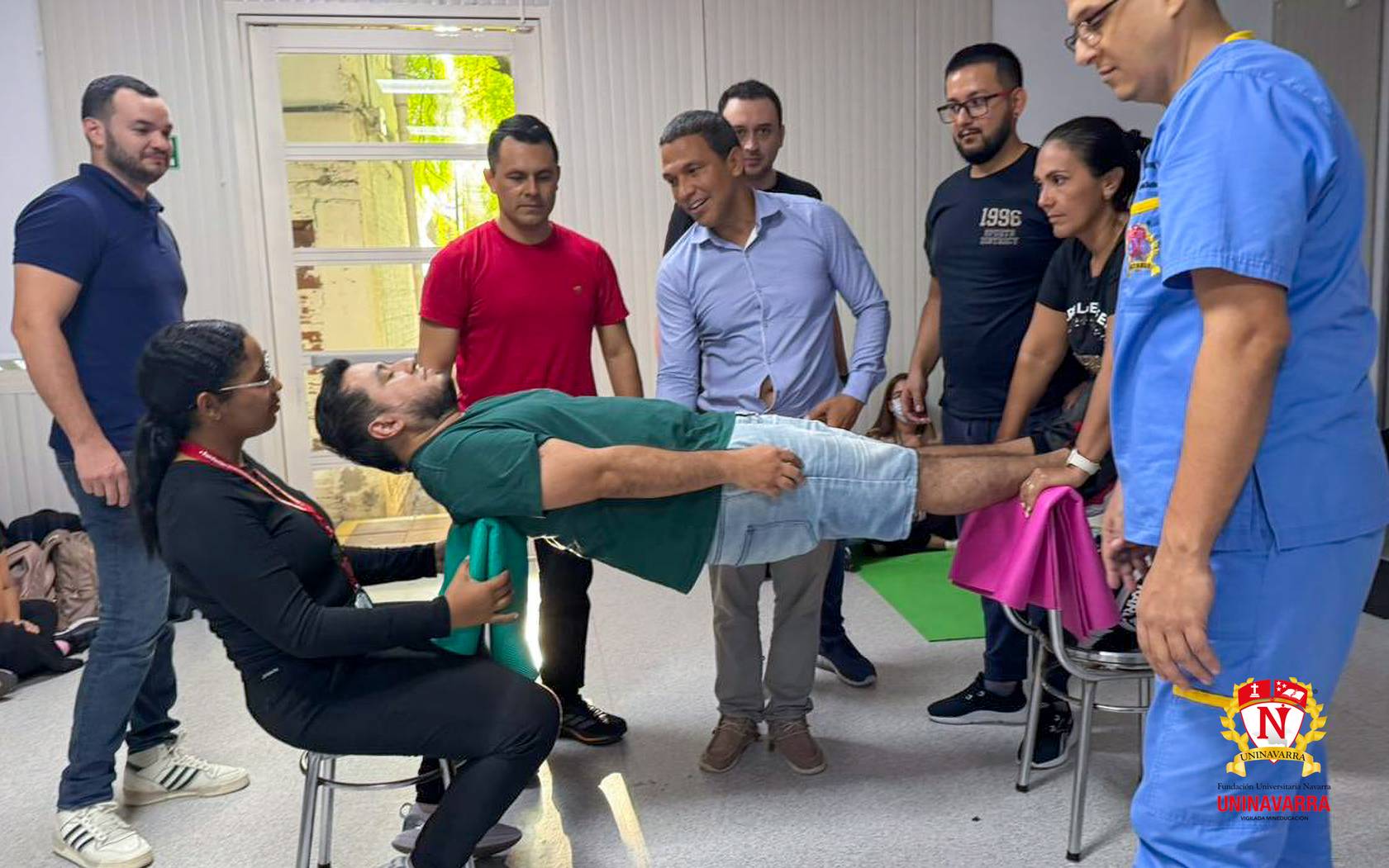
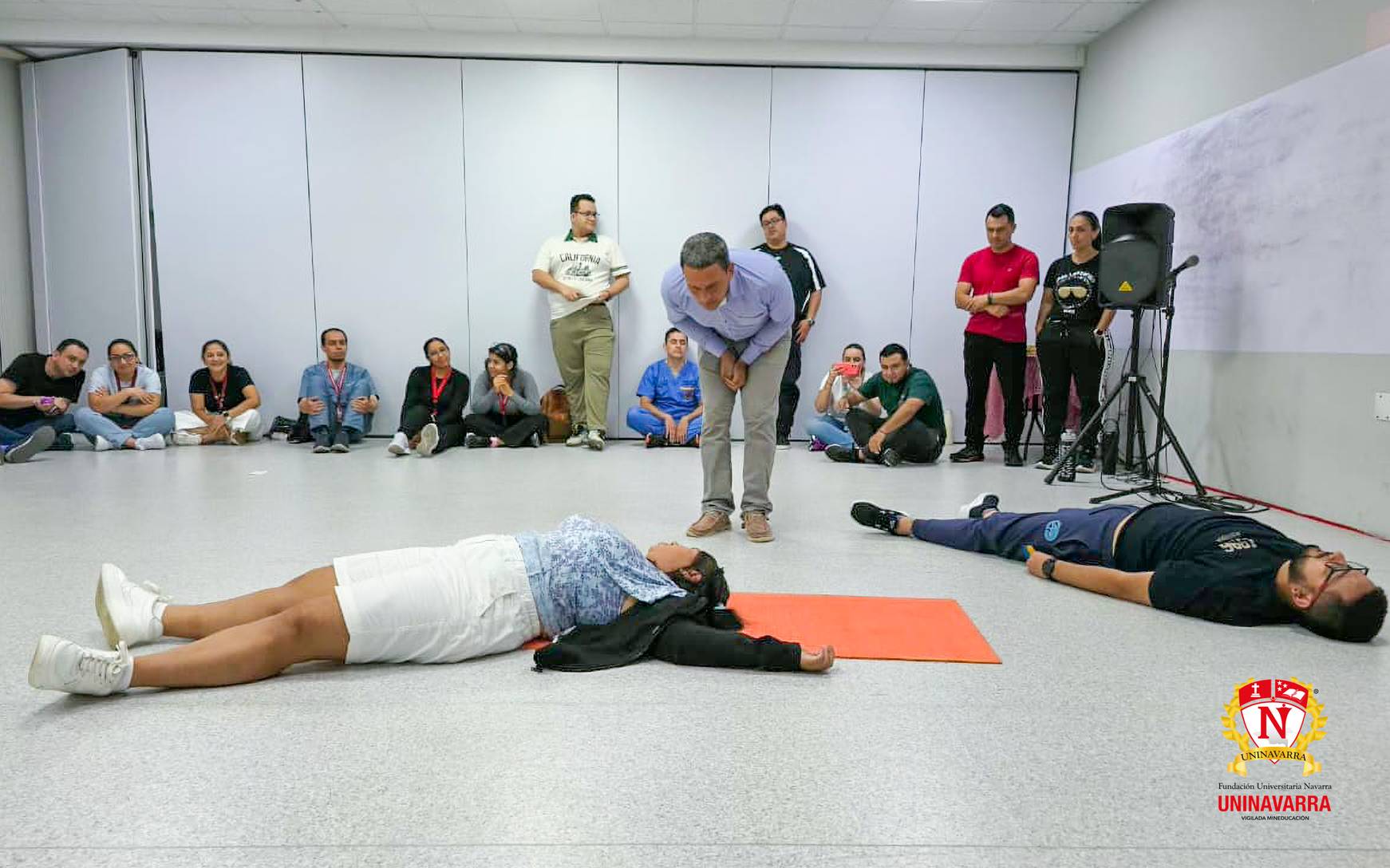
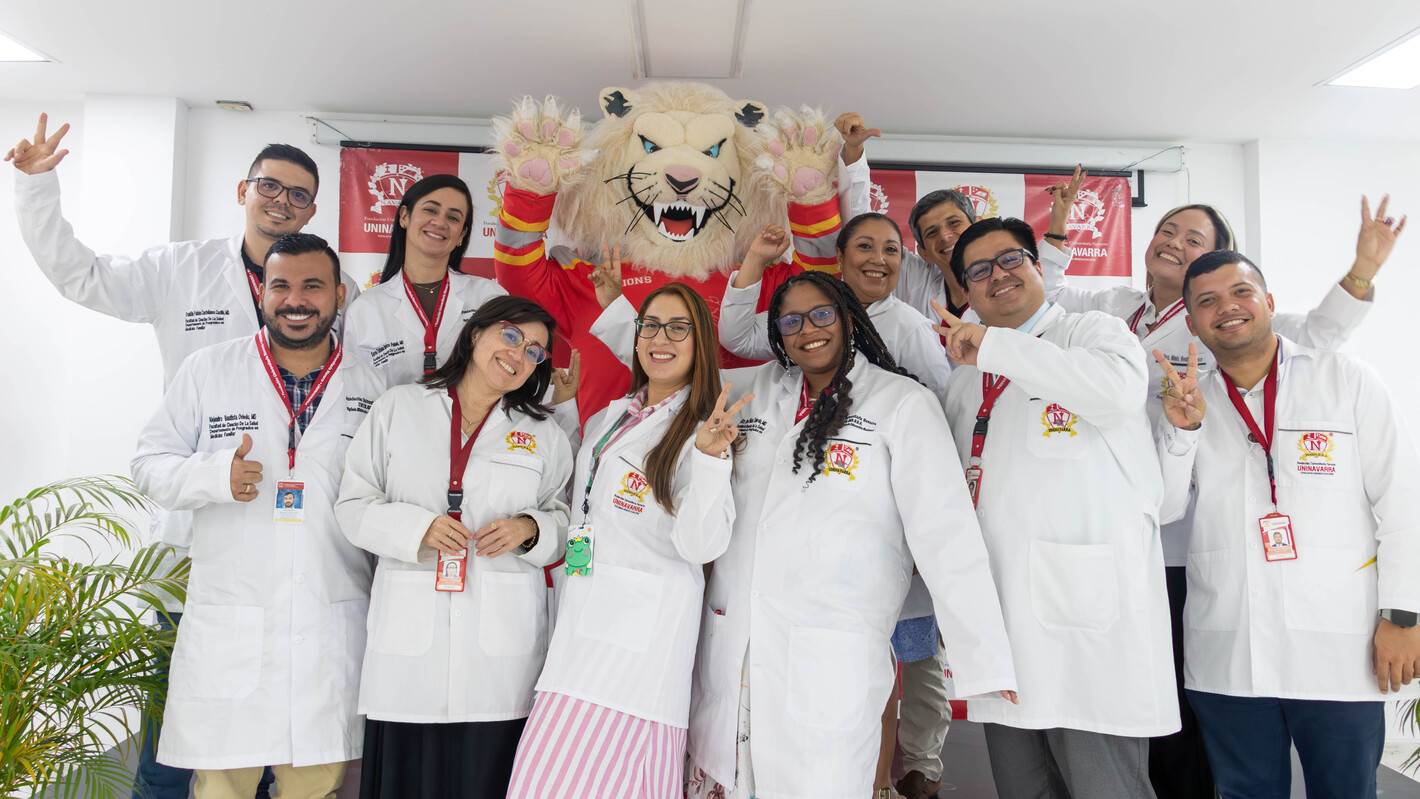
During the large session entitled “Obesity: from seedbed to specialty coffee,” third-year resident of the Family Medicine program, Andrés Acosta Ibarra, February 2026, led the attendees through a vibrant analogy between the cultivation of coffee and the development of obesity. These great academic sessions, more than exhibition spaces, are consolidated as true laboratories of critical thinking and educational innovation: they integrate science, narrative and emotion, and make the concepts transcend the classroom to be placed in the social realities faced daily by patients and their families. The experience generated reflection, identity and commitment, demonstrating that knowledge becomes more valuable when it connects with culture and daily life.
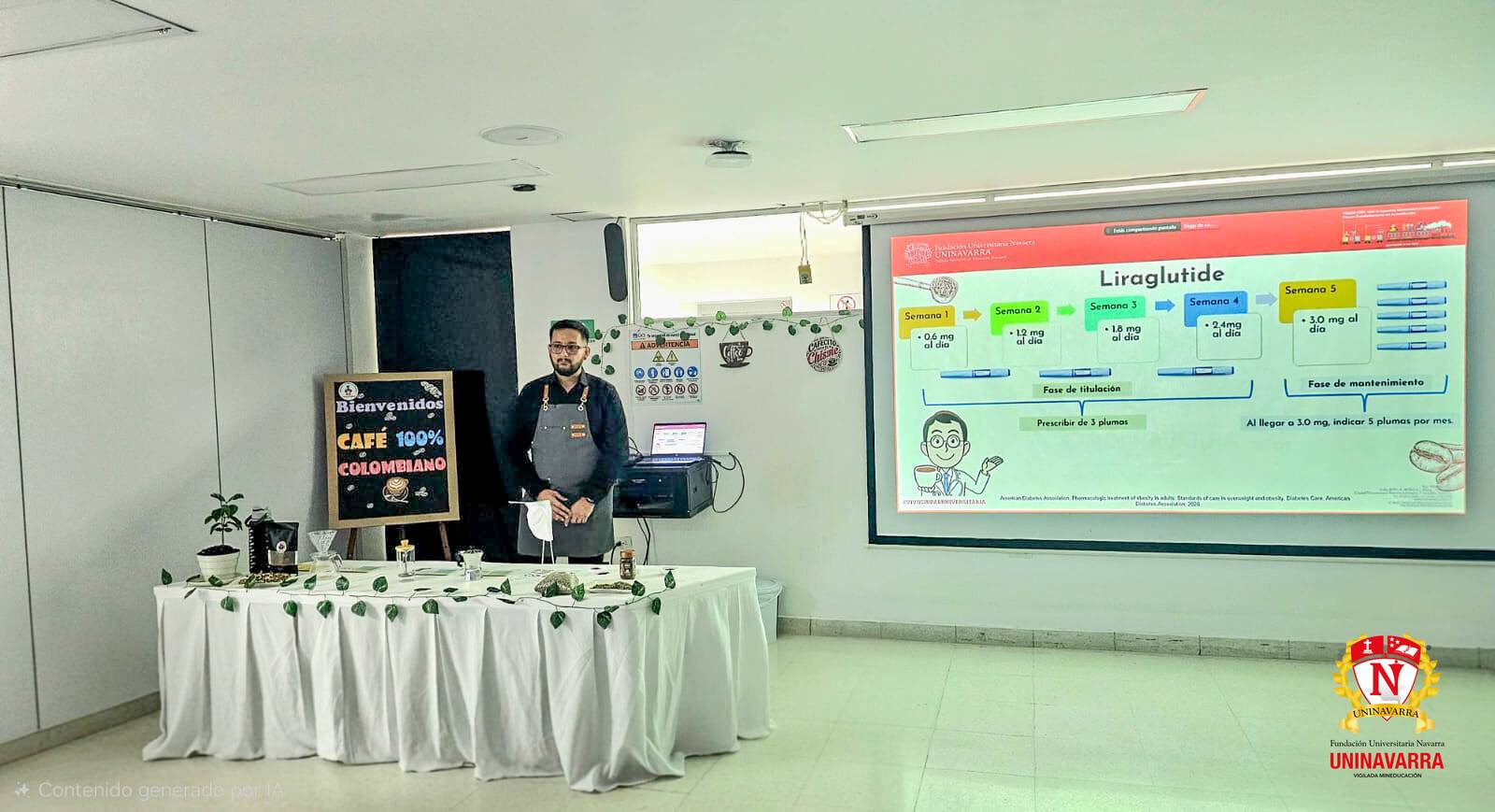
The presentation incorporated the new definition proposed by The Lancet Commission on Clinical Obesity, which recognizes obesity as a chronic, systemic and heterogeneous disease with clinical implications beyond body mass index. Current guidelines for pharmacological management and comprehensive intervention strategies were also reviewed. The session strongly emphasized the role of the family physician in prevention, early diagnosis and continuous accompaniment, understanding obesity from its biological, metabolic and psychosocial bases to its cardiovascular and metabolic complications. In this context, the major sessions are consolidated as transforming academic scenarios: they not only update knowledge, but also mobilize awareness, humanize scientific evidence and reaffirm the social commitment of family medicine.