| Title awarded: Family Medicine Specialist |
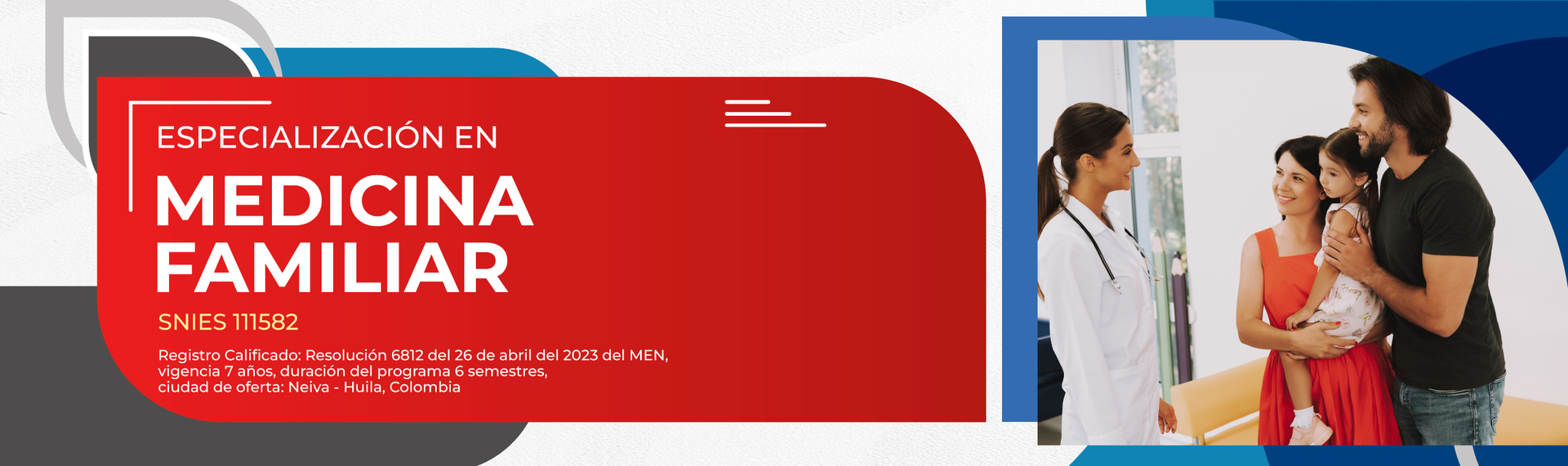
| SNIES Code 111582 |
| Qualified Registration: Resolution n.º 6812 of April 26, 2023 of the MEN, validity: 7 years. |
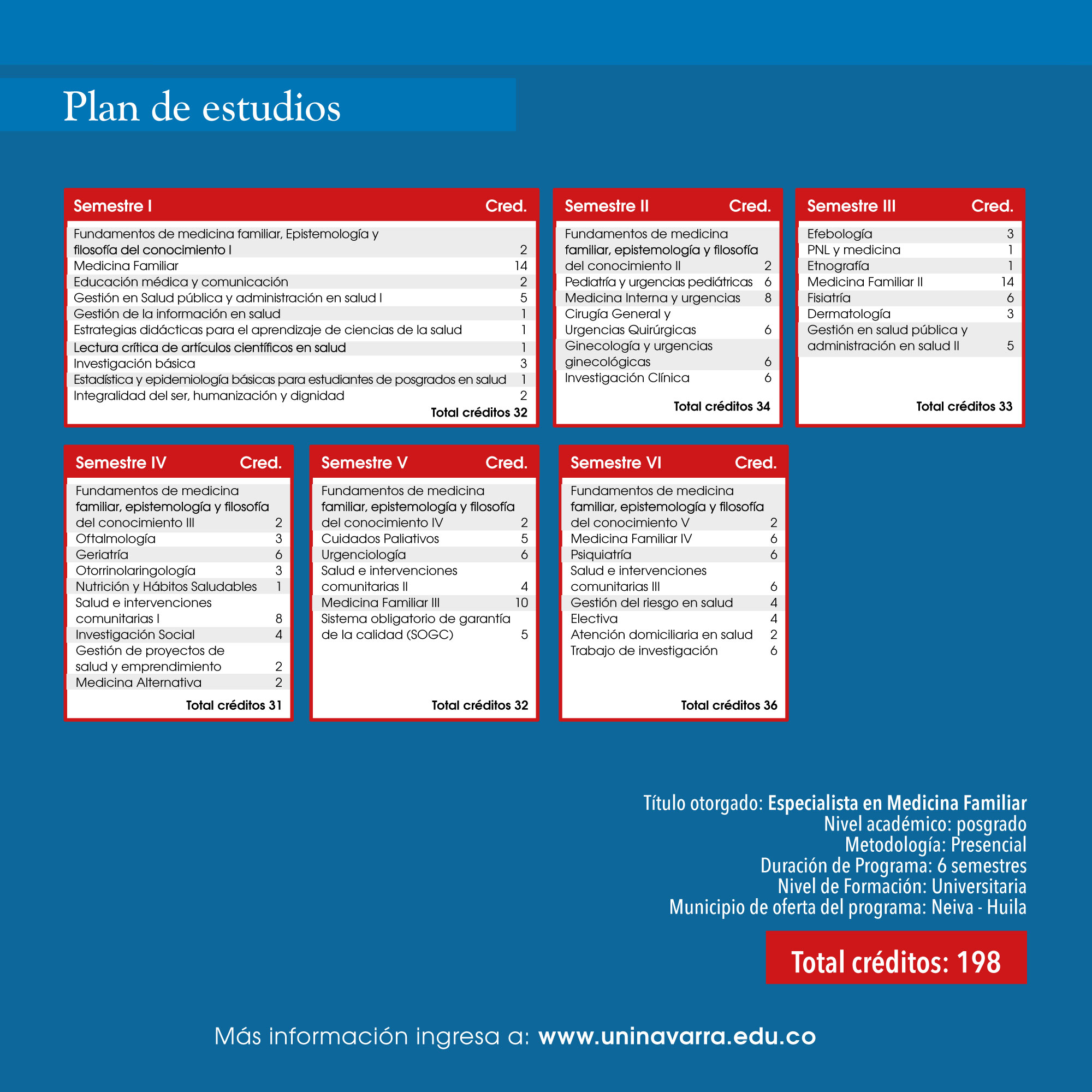
| Duration of the Program: 6 semesters |
| Number of academic credits: 198 |
| The program is attached: Faculty of Health Sciences and Basic Sciences |
| Academic Level: Postgraduate |
| Level of training: Medical-surgical specialization |
| Methodology: On-site |
| Location: Neiva, Huila, Colombia |
| Periodicity of admission: Semiannual |
| Contact us: +57 318 071 5286 +57 317 514 1730 |
Presentation of the program
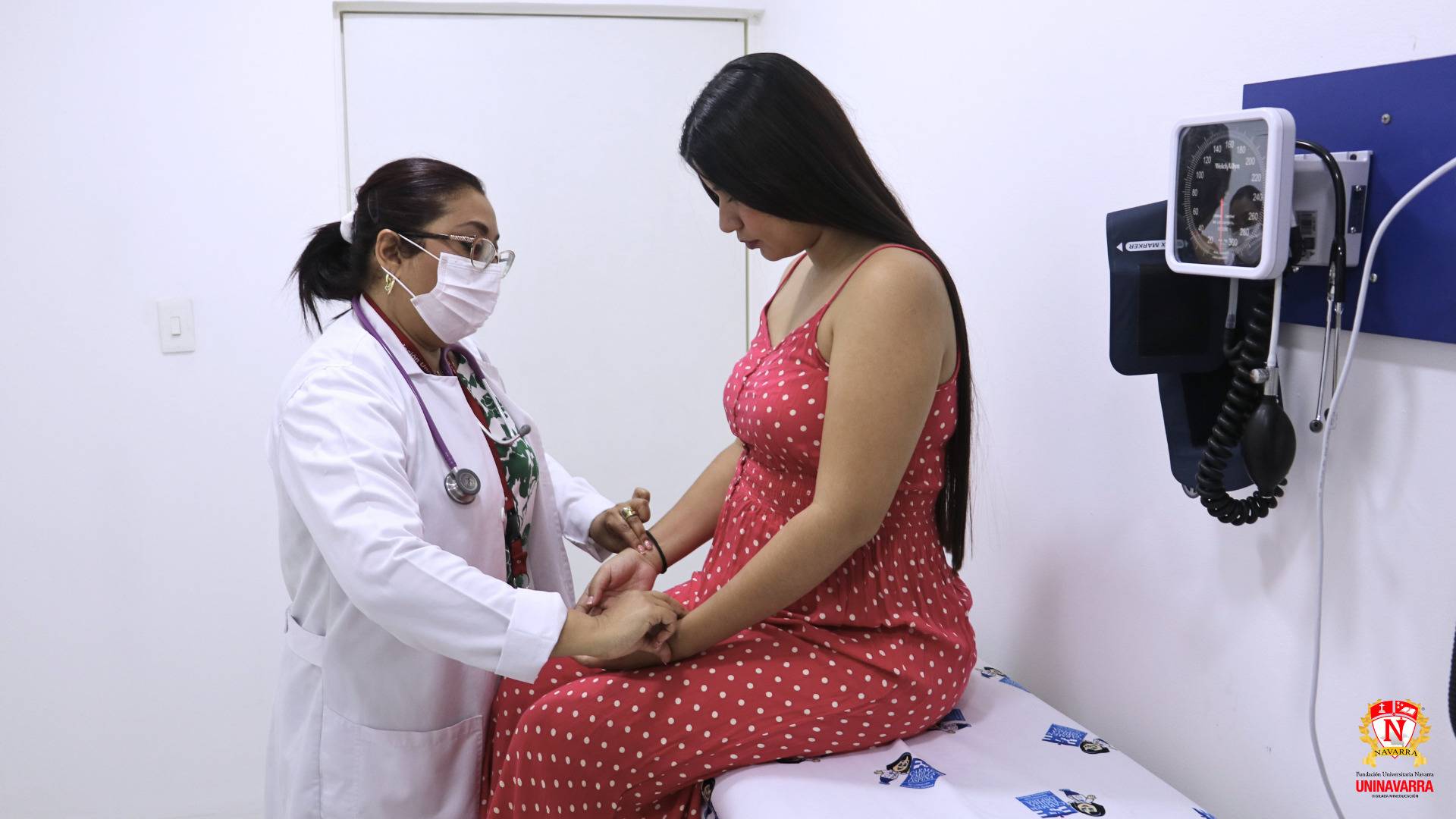
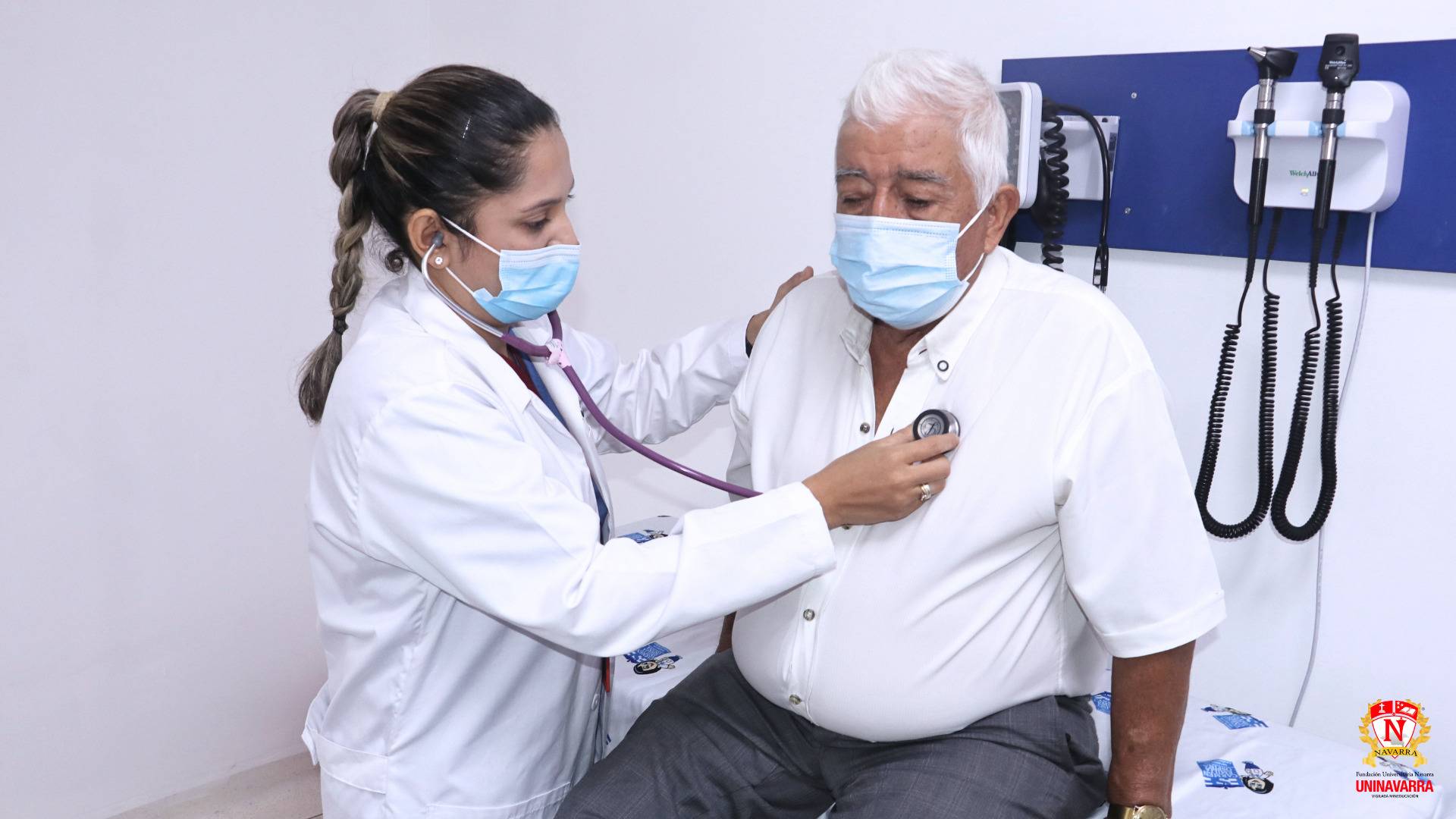


Family Medicine, more than an area of medical knowledge, is an integrating axis of medical practice, which provides holistic and humanized medical care to the person; performing particular processes of characterization, validation of information, management, education and proposal of intervention strategies to focus them on primary health care from a systemic, generalist, differential and inclusive approach that promotes the care of the individual, his family and his community.
This specialization focuses its work on the person; involving the globality and complexity of the being, taking into account both the physical and psychosocial component of the individual and the determinants that modify and maintain their health. For family medicine, health is more than a state of "Well-being", it is the objective and subjective amalgam of factors that, from each of the individual and family life cycles, tend to the harmonious development and the experience of the individual immersed in a social sphere. For this reason, an ethnographic approach is involved where social, family and community relationships and the relationship with the disease itself are pillars of the care process. The ethnographic vision of Family Medicine allows the differential approach of the individual, the family and its cultural group, allowing the production of cost-effective strategies aimed at maintaining the health of specific groups according to their characteristics and needs.
The knowledge and work of the Family Medicine specialist is transversal to the different medical specialties, not as a professional hoarder of knowledge, but as an integrating specialist, mediator and coordinator of medical care, ensuring its resolvability and timeliness. His approach moves away from the separatist perspective and involves the generalization of medical knowledge to provide comprehensive care to individuals, families and communities.
The specialization in Family Medicine is the result of a need for holistic care based on the individual and not on the disease. Due to its principles and focus on prevention, it is a pioneer and fundamental support in integral processes of Primary Health Care and maintenance of the health of individuals, families and communities.
General requirements
According to the institutionally determined enrollment requirements, applicants to study a postgraduate Medical-Surgical program at UNINAVARRA must submit the following documents:
1. Registration form duly completed.
2. Receipt evidencing payment of registration fees.
3. Photocopy of the identity document (Citizenship Card / Alien Registration Card or passport).
4. If you are not Colombian you must bring your student or resident visa.
5. Resume with supports, including undergraduate transcripts incorporating internship (medical).
6. Accredit a university degree in one of the programs of the health area, in a Colombian Higher Education Institution duly recognized and authorized by the Ministry of National Education, or a foreign one recognized by the competent authority of the country of origin and whose degree is validated by the Ministry of National Education.
7. Mandatory Social Service Resolution
Specific requirements
As stated by AGREEMENT NUMBER 03 OF 2015 (May 25, 2015) of the Faculty Council of Health Sciences, which regulates the admission process for Clinical-Surgical Postgraduate Degrees, the following specific requirements were established for admission to the Specialization in Family Medicine program.
1. Evaluation of resume with supporting documents, including undergraduate transcripts incorporating the internship (medical).
2. Knowledge test with the characteristics determined by the institution.
3. Demonstrate proficiency in reading comprehension in English at the independent or intermediate level, i.e. level B1, through the mechanism established by the institution in the call for the admission process.
4. Interview.
5. Psycho-technical test.
Applicant Profile
To enter the postgraduate program, the applicant must have studied medicine and certify a medical degree as a graduate of a higher education institution recognized by the Ministry of National Education or abroad (for which he/she must provide the resolution of validation in which it is demonstrated that the program studied and the degree obtained is equivalent and recognized by the MEN in Colombia as a Physician).
The applicant's profile should demonstrate medical knowledge and interest in social aspects as determinants of health, sufficient for a good performance in the training process in the Family Medicine Specialization.
Must have social sensitivity and humanistic principles, showing interest in caring in an integral and continuous way to people, in the different life cycles, their families and communities in health matters. Willing to contribute with his/her work and professionalism in the reduction of health inequities.
Graduate profile
The specialist in Family Medicine, graduated from UNINAVARRA will be characterized by being a professional with a general knowledge base in medicine and with specialization in the maintenance of the health of the individual in their different life cycles.
A skilled specialist who is familiar with community immersion tools, public health policies and generates strategies that positively impact national health indicators.
A person-centered professional with the pluripotential resolution capacity to work in primary health care, hospital, emergency, rehabilitation, palliative care and administration of health services and policies.
An ethical community leader who will be highly committed to the region, the country and the research processes that generate knowledge in the areas concerning health and its determinants.
To fulfill this profile, the graduate physician will have the following attributes:
- Have a profound ability to establish a patient-physician relationship based on empathy, which will be transferred to his or her family and the community in which he or she is immersed.
- Given the characteristics of their training, they must have a high level of resolution and management skills. optimal prevalent health problems affecting different age groups, limiting the patient's mobility to more complex levels of care, which translates into the optimization and rationalization of health system resources.
- Their communicative and administrative skills enable them to act as leaders of the health care teams, facilitating the interaction of other medical specialties and other health care professional, focusing efforts on the wellbeing of individuals and the community environment.
- His ability to relate to the community, his ethnographic knowledge, his knowledge of and to investigate based on their needs, to be able to identify the problems and to and, based on its diagnosis, to focus its efforts on the education and training of the with a differential focus on self-care and self-knowledge.
- To have competences in adaptive processes to the particular characteristics of the environment, respecting the cultural, behavioral and communicative differences of the community.
- To be aware of the institutional support networks inherent to the community and its and of governmental and non-governmental programs that can be used to improve the quality of the as a support to the needs of the population, serving as a connector between them and the individual.
- Their work will be focused on health promotion and disease prevention, as a fundamental element that generates social change, taking into account the principle of the cost-benefit ratio, which is of vital importance in the face of health systems with extensive limitations. economic.
- Thanks to your knowledge in research and ICTS be able to create scientific information. and innovative strategies that it applies to research, education and transformation. individual and collective.
- It does not make presumptions about the individual, but rather, after a process of characterization involves the reality of the person and his or her context and uses simple tools that to evaluate, analyze and assist in the process of transformation of deleterious paradigms and motivates the process of adopting healthy habits, both physically and mentally, of self-care and mutual care.
- He is a human being concerned about ensuring that people regain their dignity in the whole process of care towards the improvement of their quality of life.
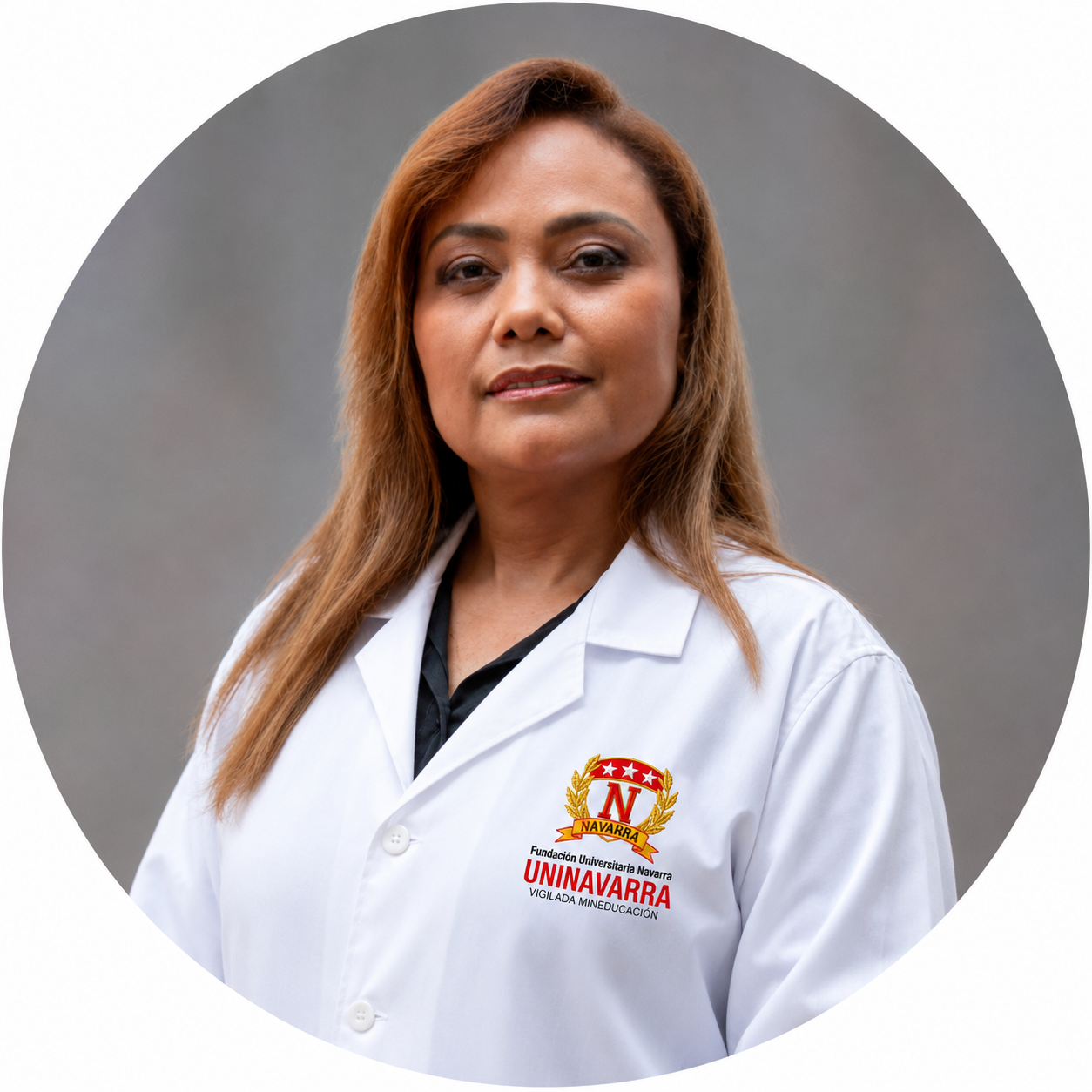
Ninis Beatriz Yance Restrepo
Dean of the Faculty of Health Sciences and Basic Sciences
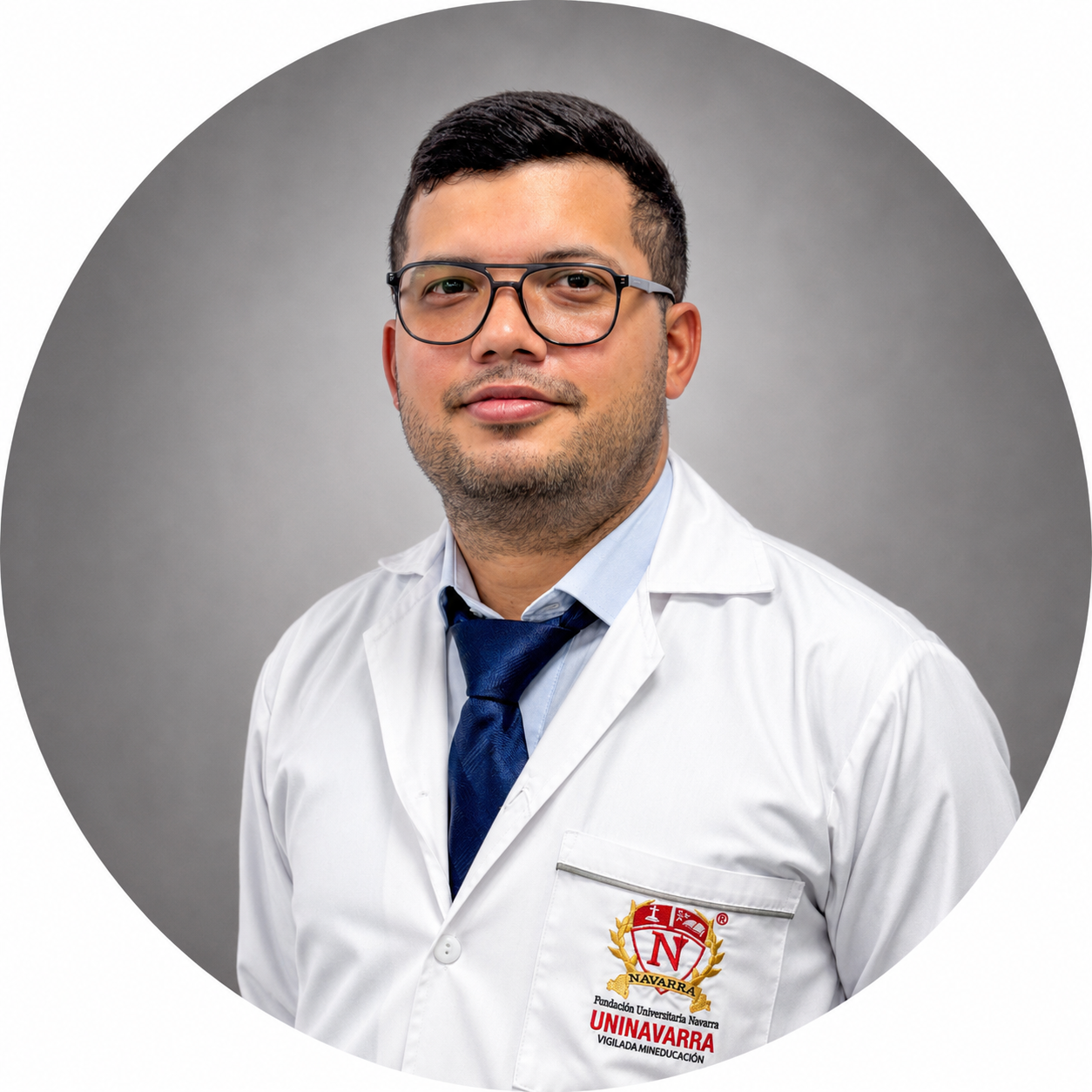
Dr. Jhonatan Andres Portes Ortiz
Coordinador Especialización Medicina Familiar
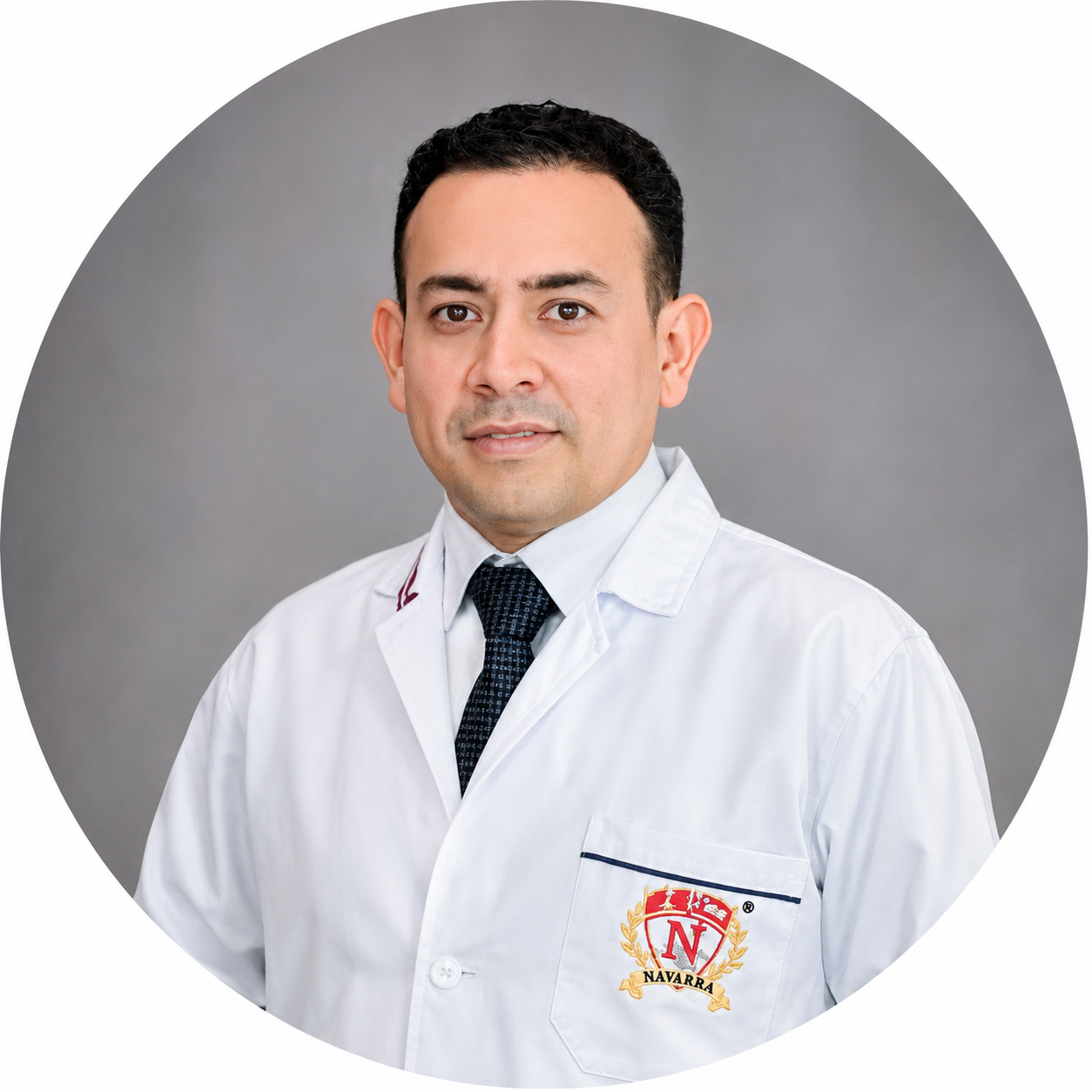
Dr. Harold Mendieta Leiva
Professor
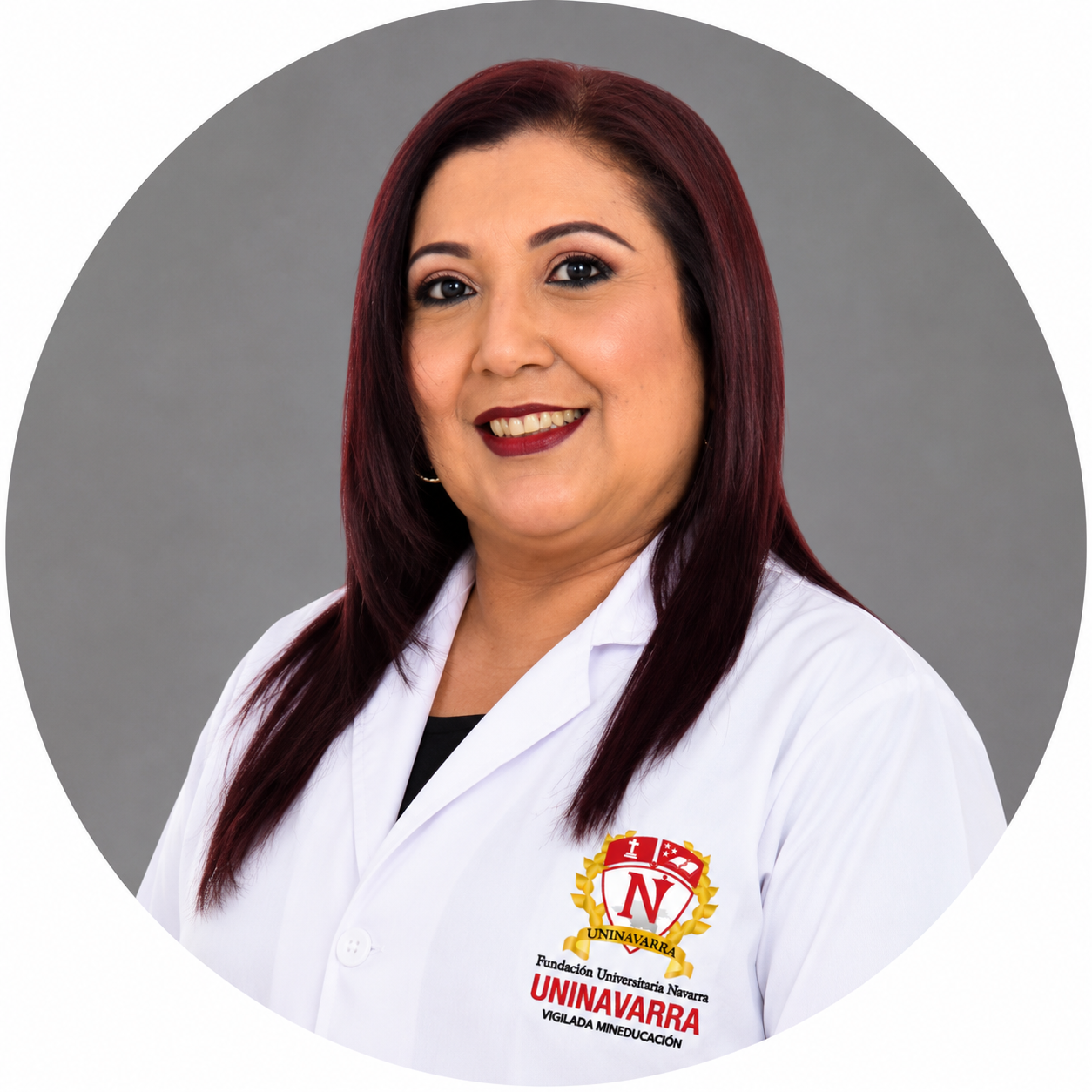
Dr. Martha Estella Niebles Coronell
Profesora Especialización Medicina Familiar
Dr. Carlos Humberto Reyes Guio
Profesor Especialización Medicina Familiar
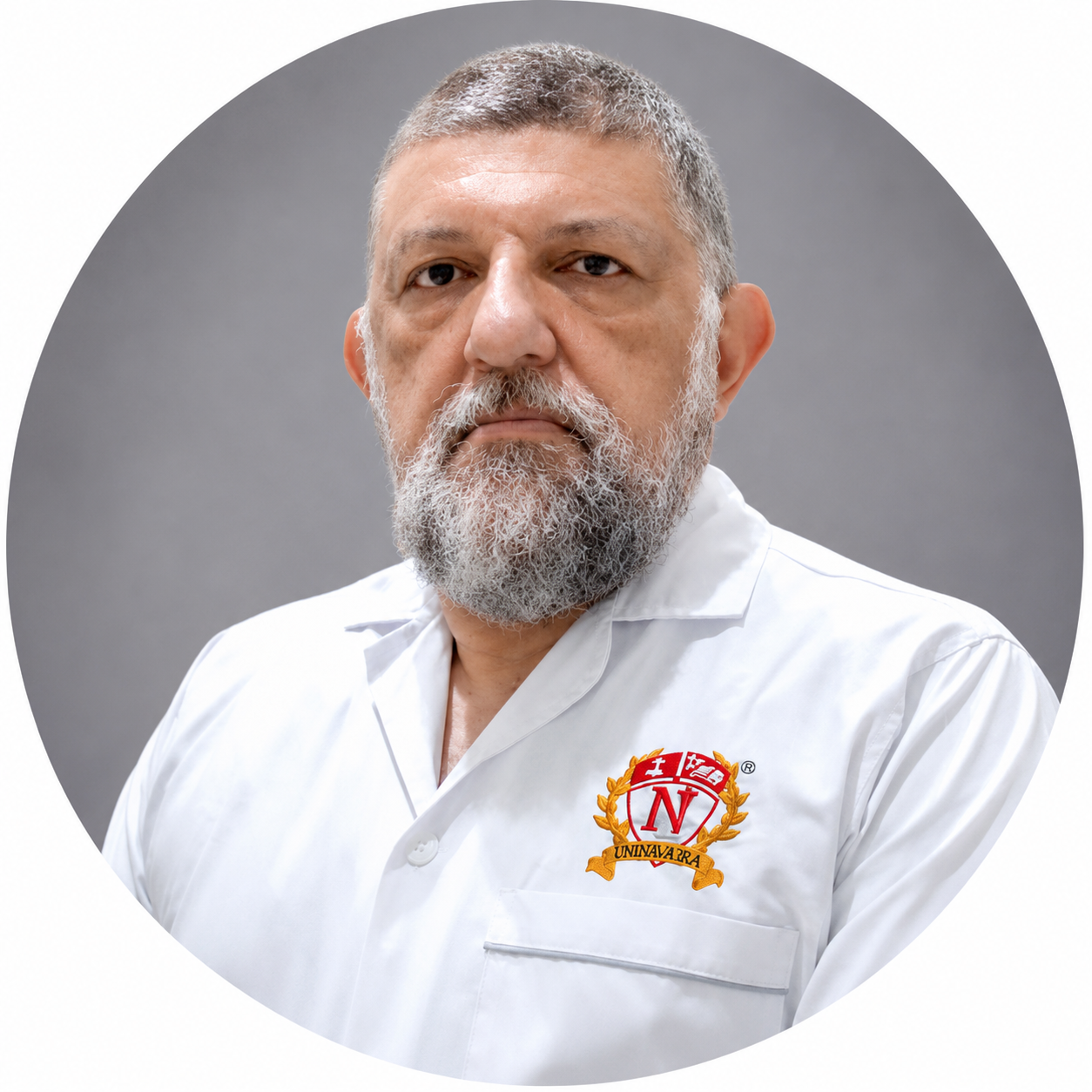
Dr. Luis Carlos Quintero Malo
Professor
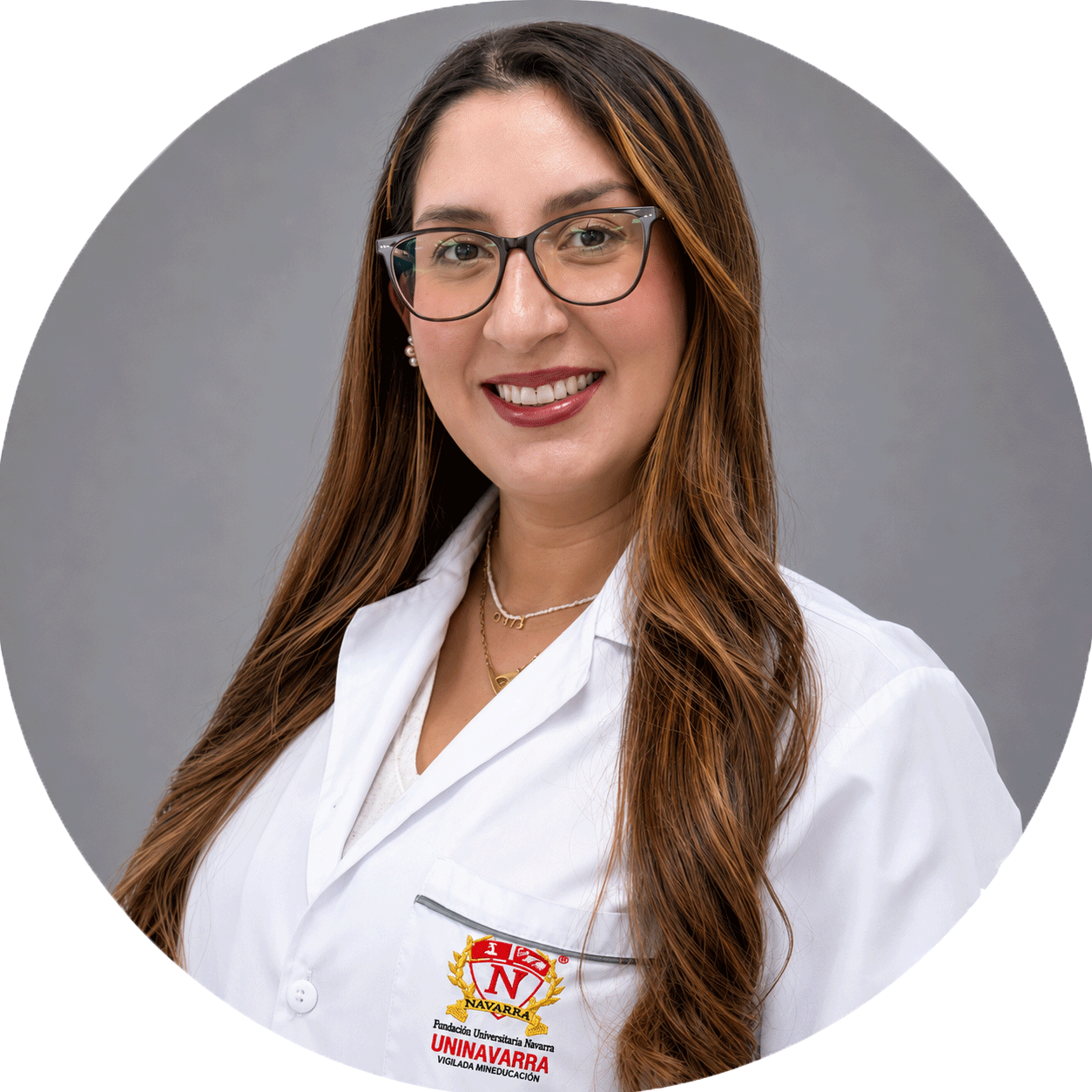
Dr. Cristina Isabel Domínguez Charris
Docente de la Especialización en Medicina Familiar
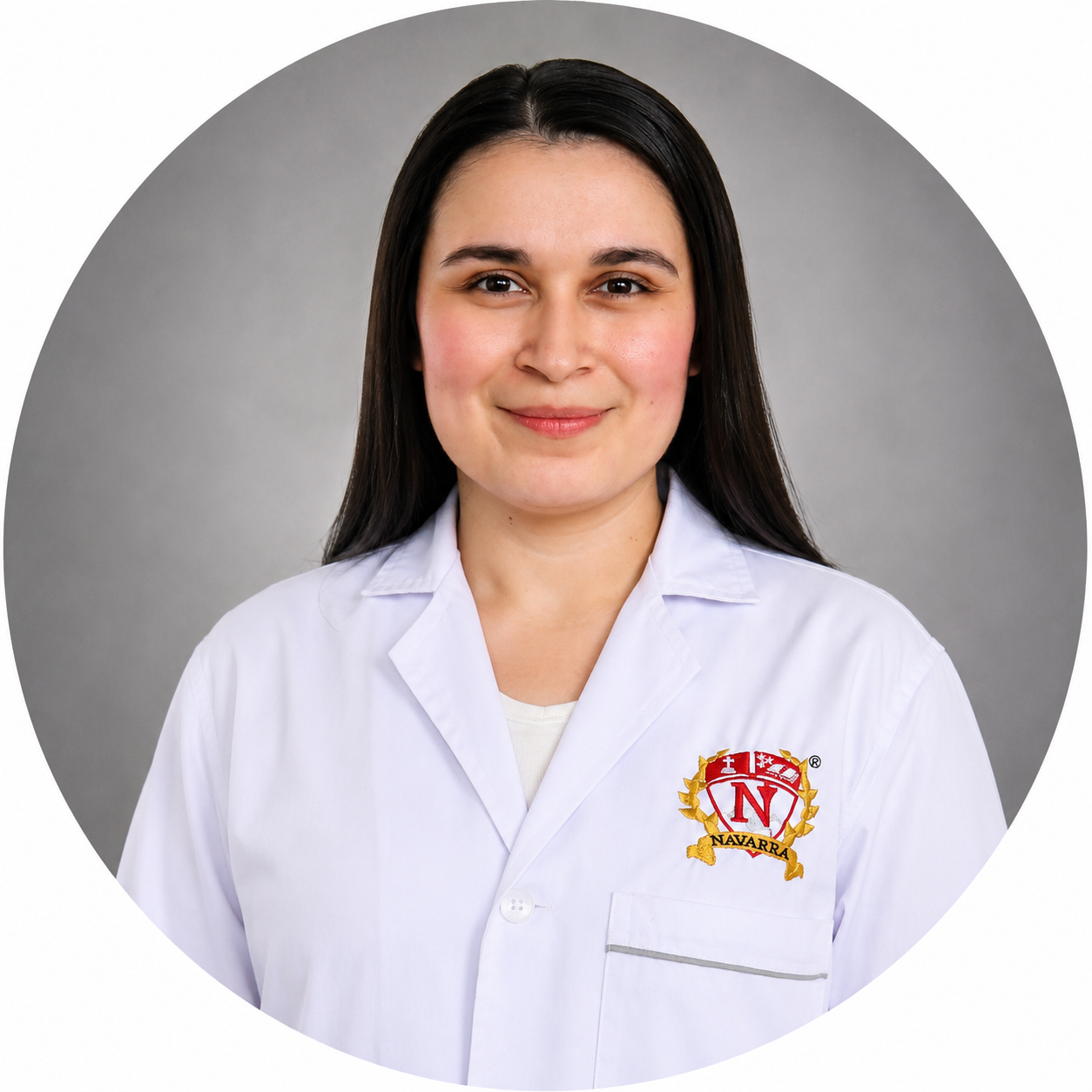
Dra. Elizabeth Sofía Perdomo
Professor
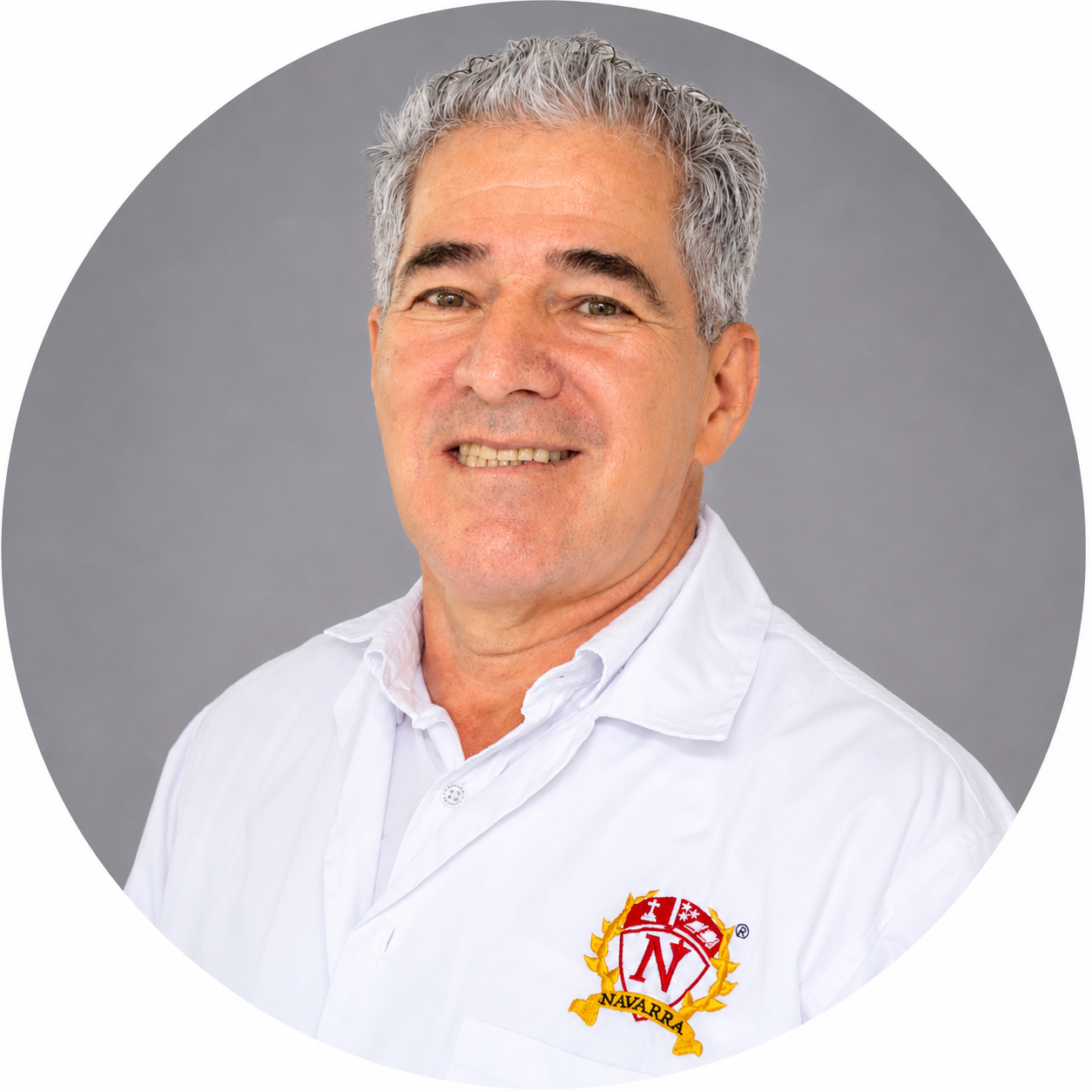
Dr. Dariel Rojas
Professor
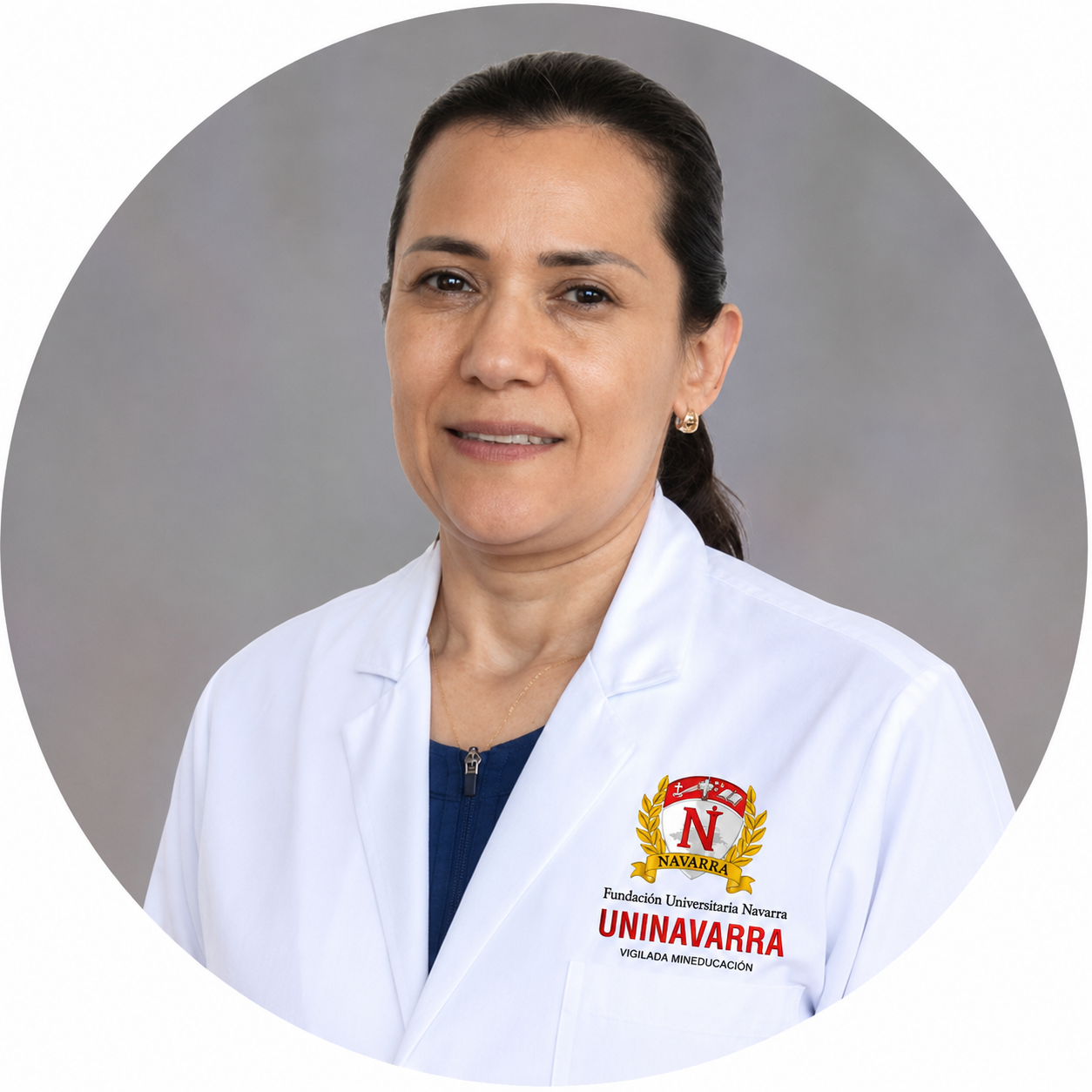
Dra. Martha Hernández
Professor
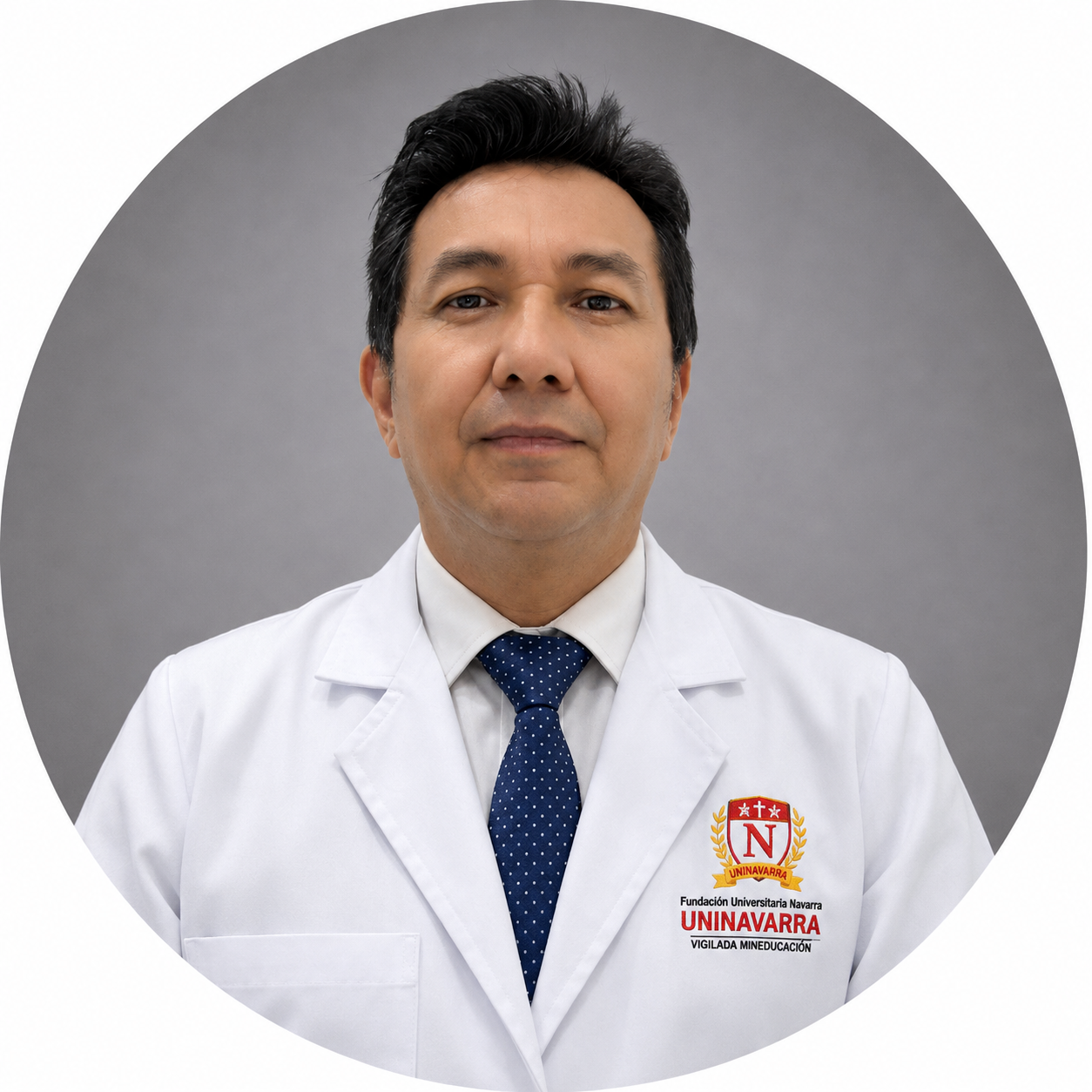
Dr. Lisandro Fechas
Professor
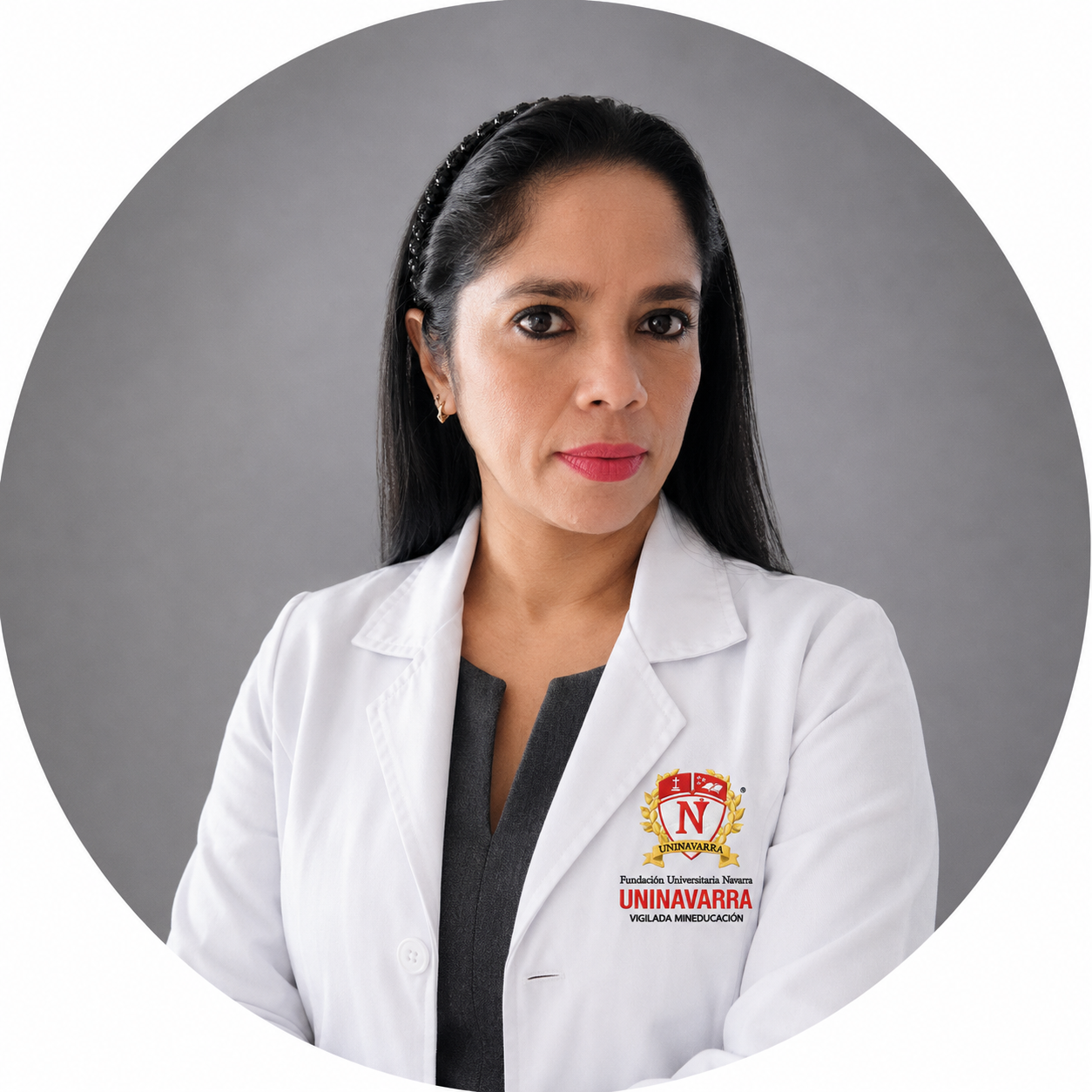
Dra. Jhoana Duffis
Professor
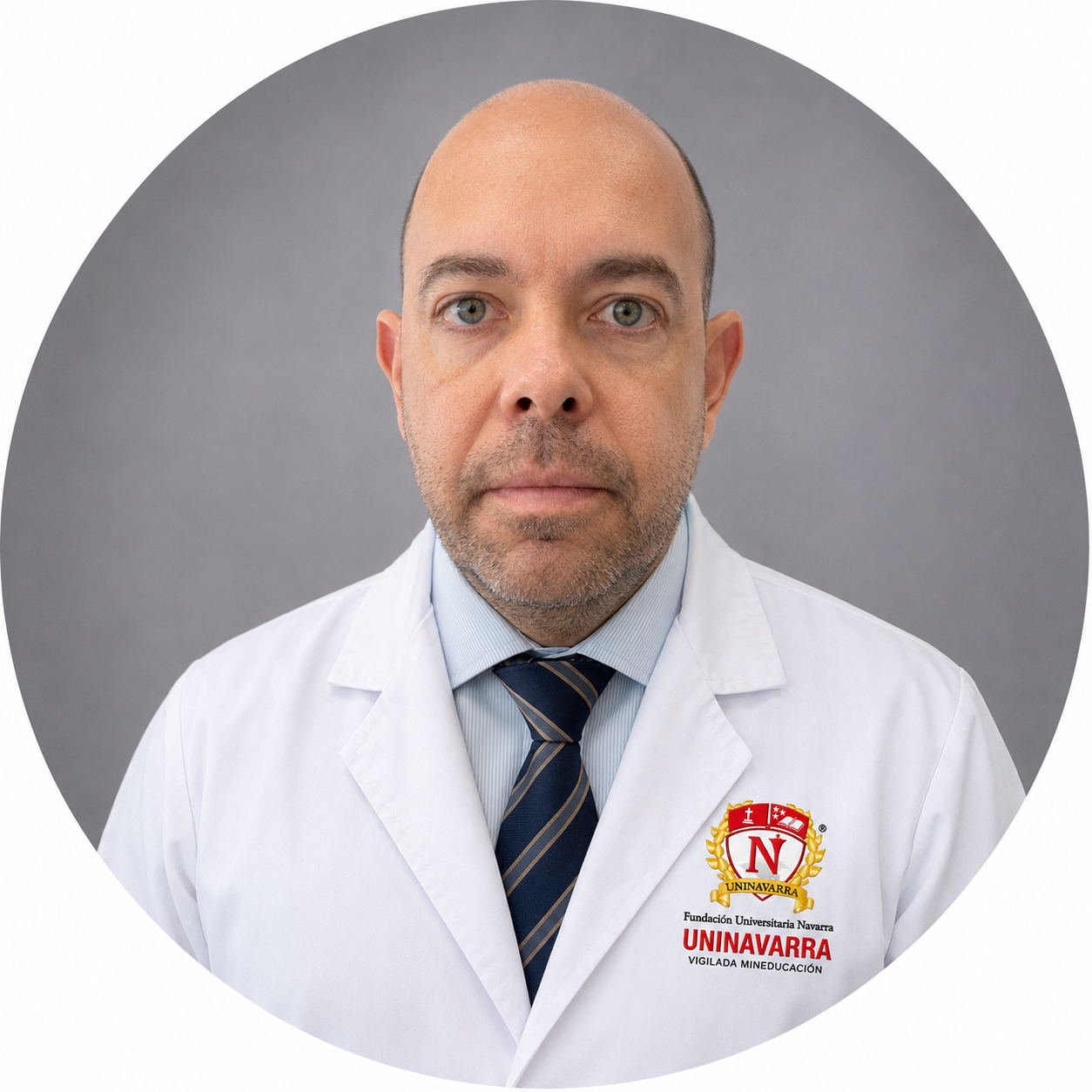
Dr. Carlos Pérez
Professor
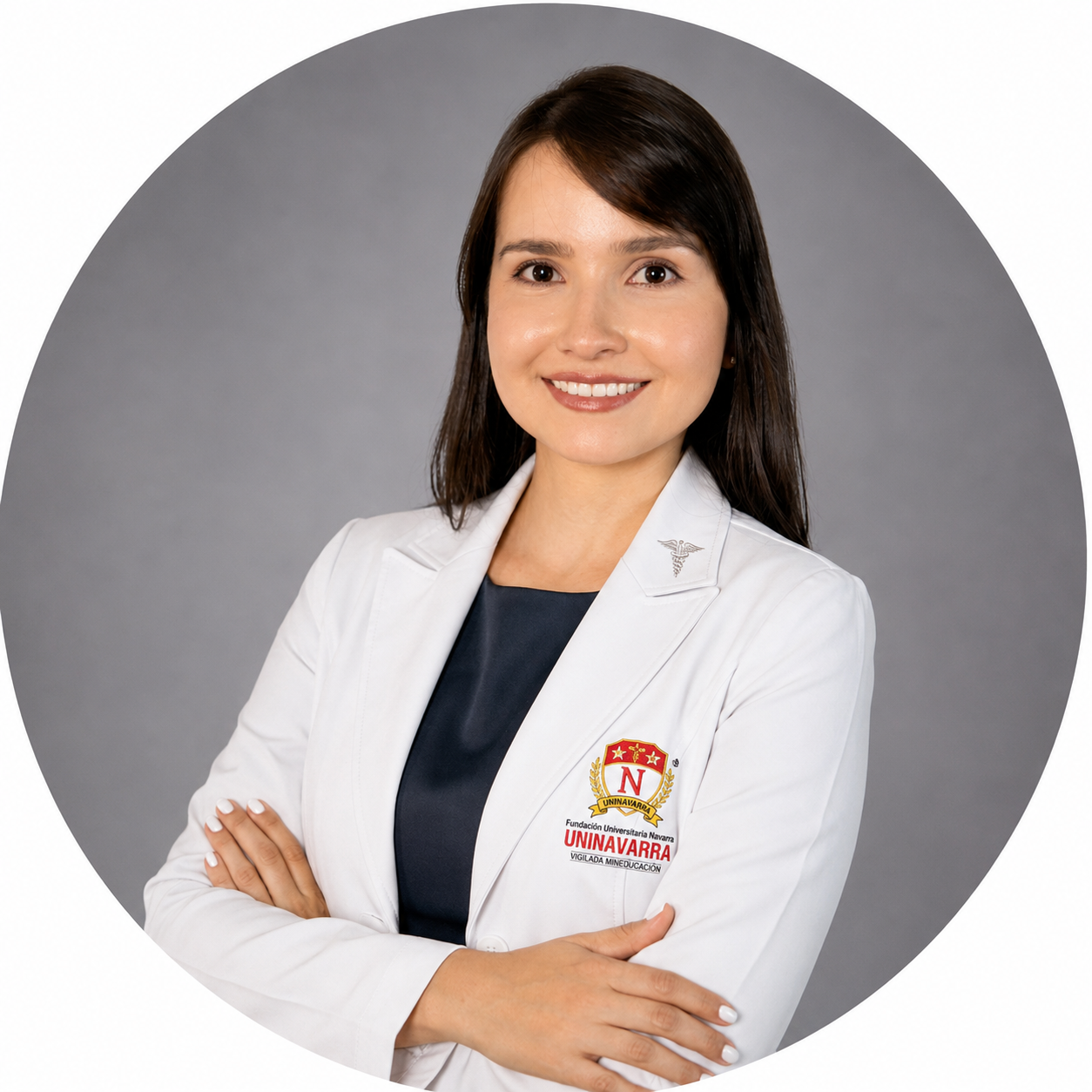
Dra. Cindy Romero
Professor
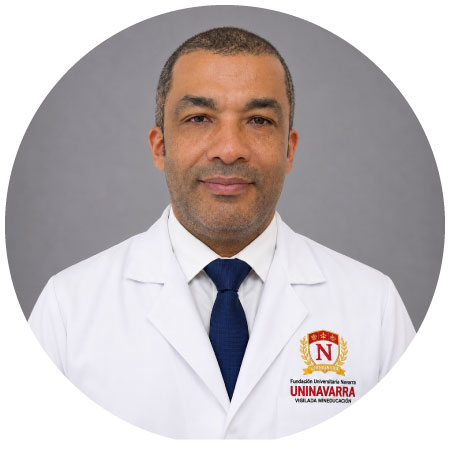
Dr. Cesar Mosquera
Professor
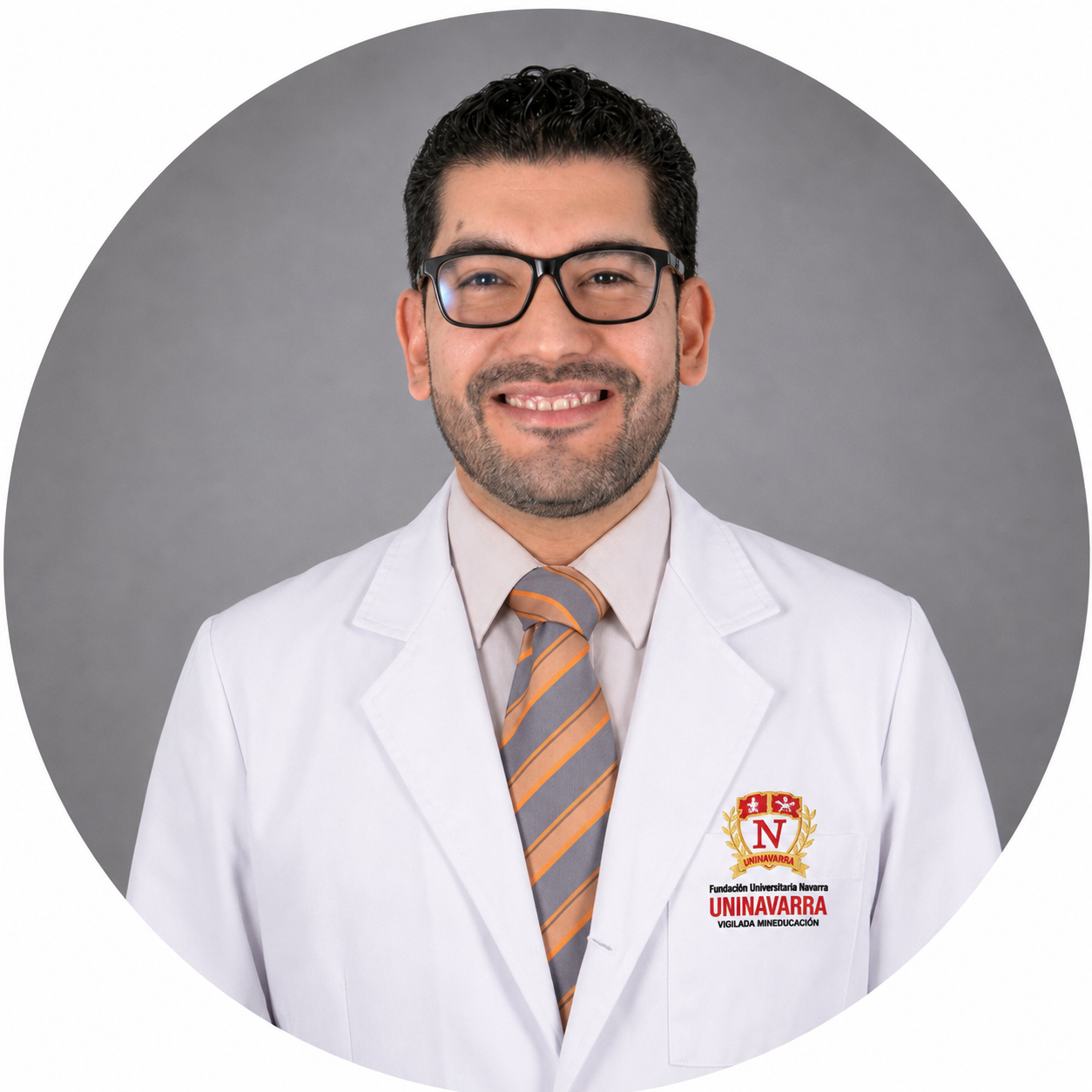
Dr. Nelson Hermida
Professor
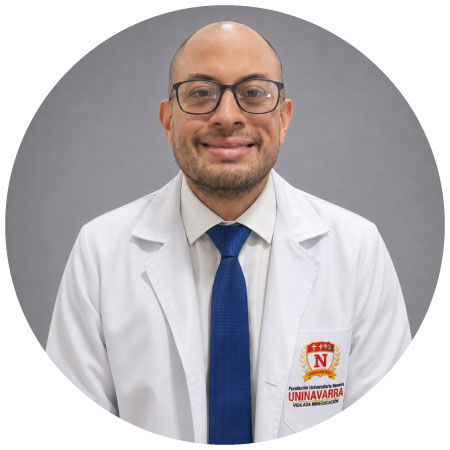
Dr. Jorge Tirado Sandino
Professor
UNINAVARRA y Medicina Familiar, comprometidos con la salud y el bienestar de la comunidad de El Espinal
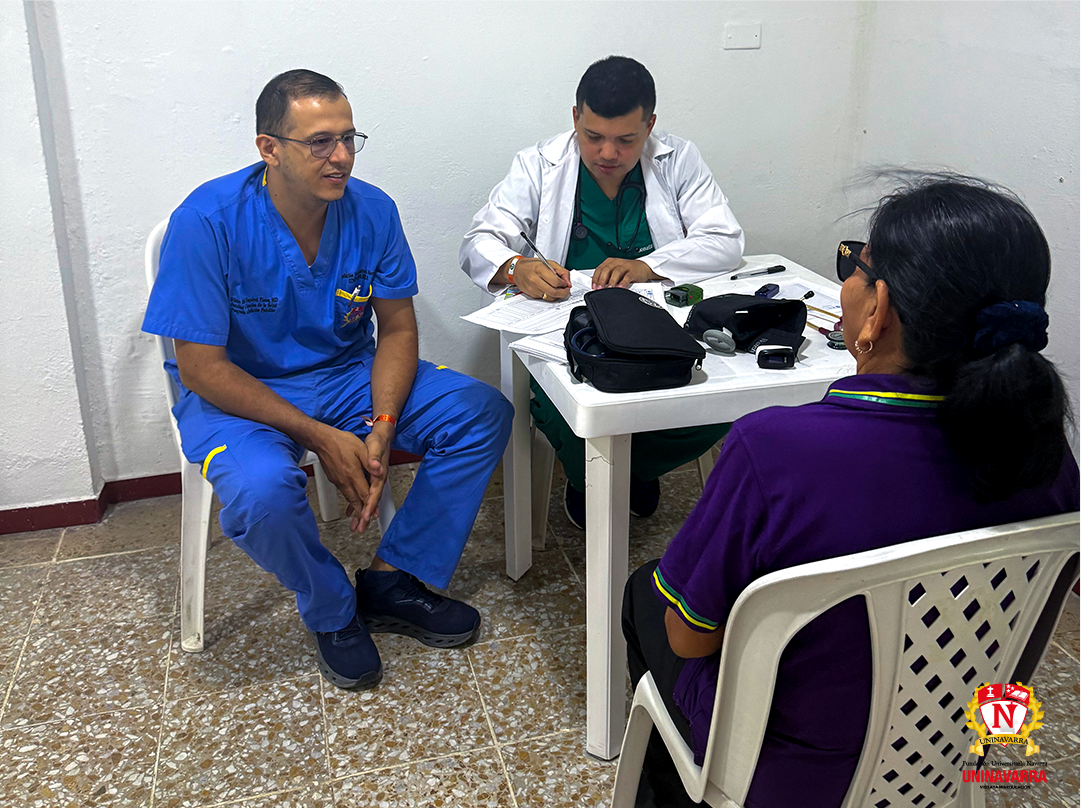
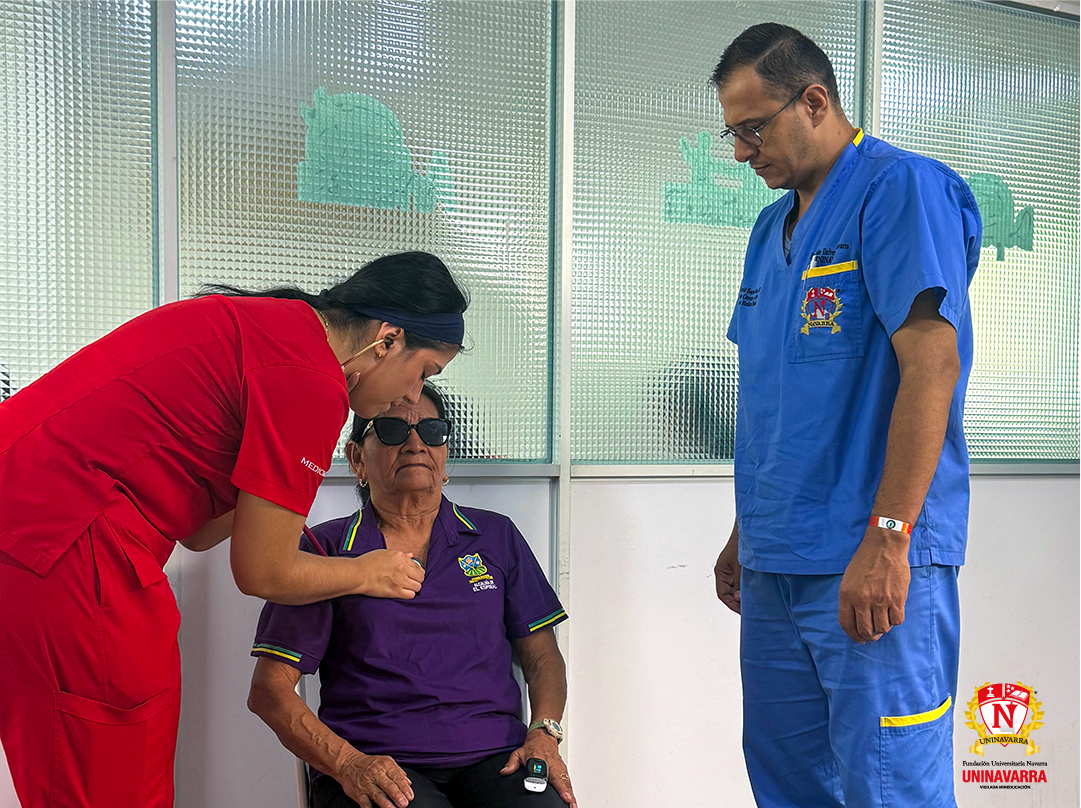
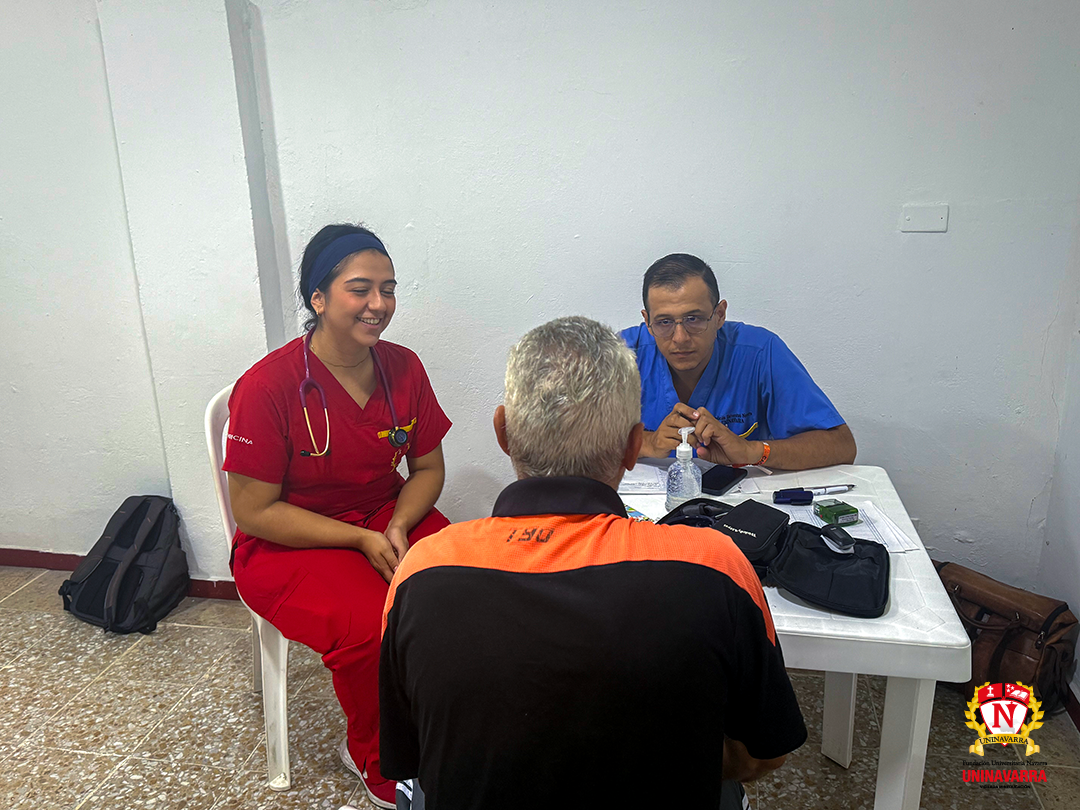
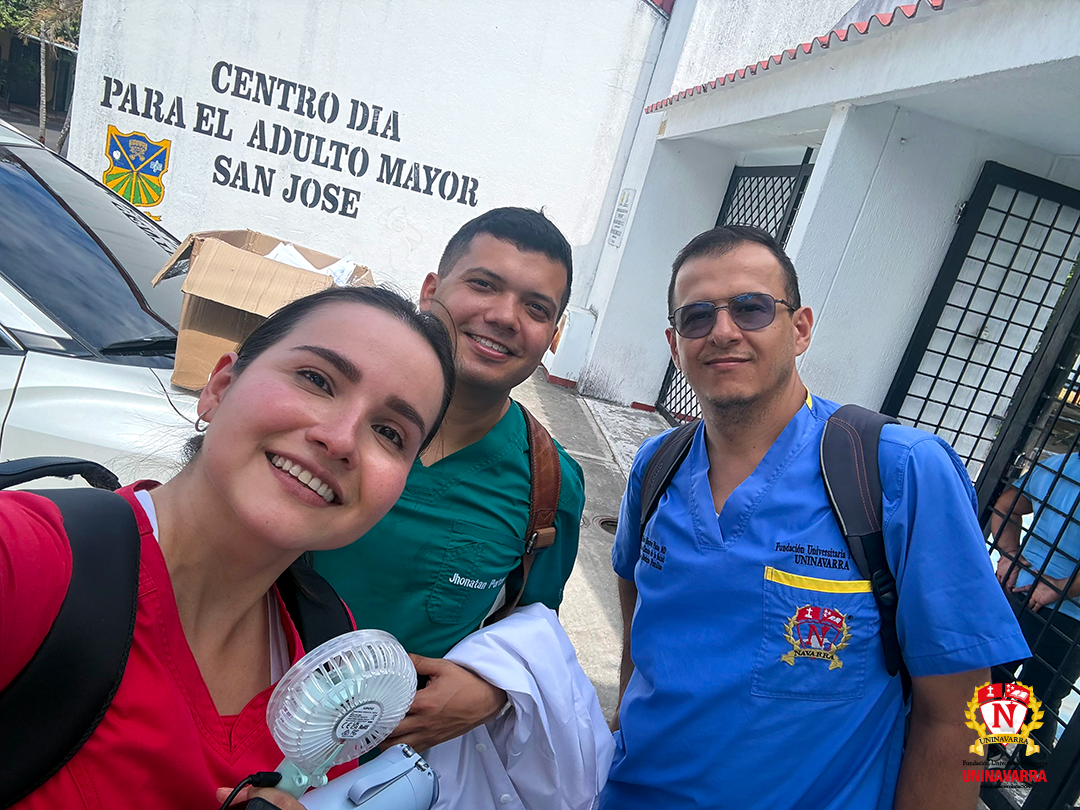
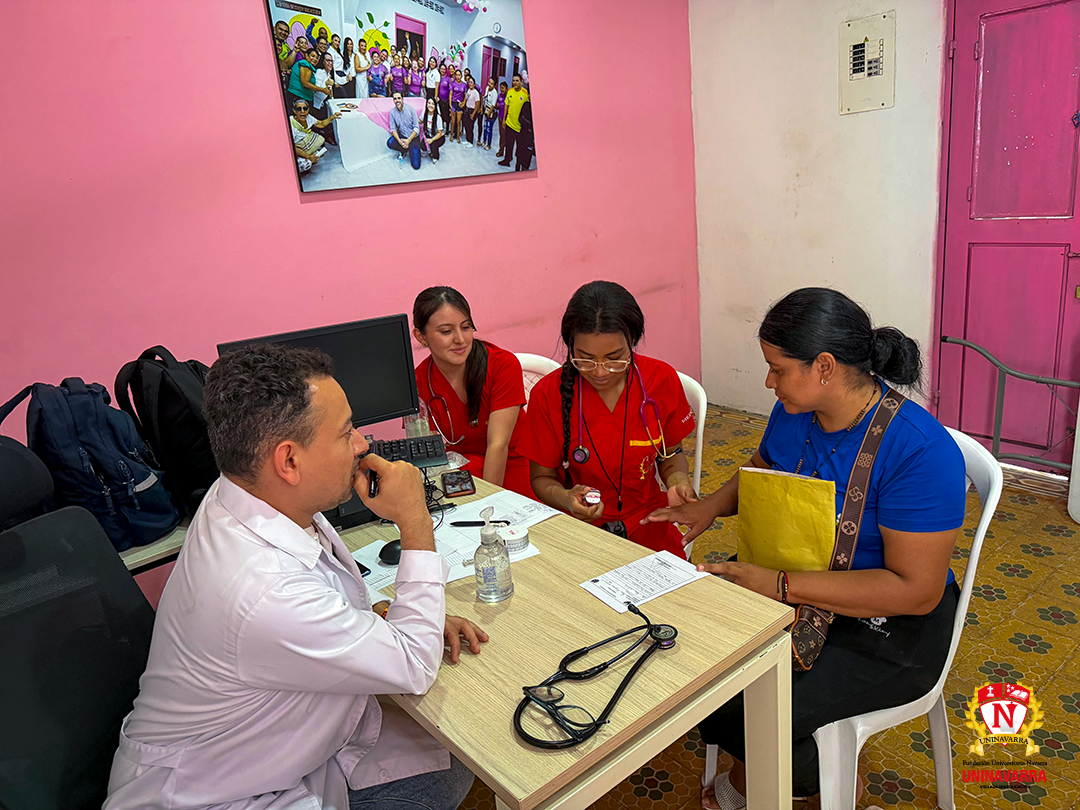
El pasado 26 de septiembre de 2026, la Fundación Universitaria Navarra – UNINAVARRA, a través del Programa de Medicina Familiar, participó en una brigada de atención en salud realizada en el municipio de El Espinal, junto a las Fuerzas Militares de Colombia y la Fuerza Aérea Colombiana. Esta jornada permitió acercar servicios de salud a la comunidad y reafirmó el compromiso institucional con una atención cercana, humana e integral, orientada al bienestar de las personas y sus familias.
En la actividad participaron médicos familiares, especialistas en Geriatría, residentes de Medicina Familiar e internos de Medicina en rotación por esta área, quienes aportaron sus conocimientos y experiencias al proceso de atención. Este espacio favoreció el trabajo interdisciplinario y permitió fortalecer la formación en escenarios reales, promoviendo una atención centrada en la persona, su familia y su contexto.
Para UNINAVARRA y el Programa de Medicina Familiar, este tipo de iniciativas representan una oportunidad para llevar la formación académica al territorio y convertir el conocimiento en acciones concretas al servicio de la comunidad. La jornada se consolidó como un escenario de aprendizaje, servicio y responsabilidad social, en el que la academia y las instituciones del Estado sumaron esfuerzos para contribuir a la Atención Primaria en Salud y a la formación de profesionales con una visión integral y humanizada.
Residentes de Medicina Familiar de UNINAVARRA participaron en el V Congreso Colombiano de Medicina Familiar
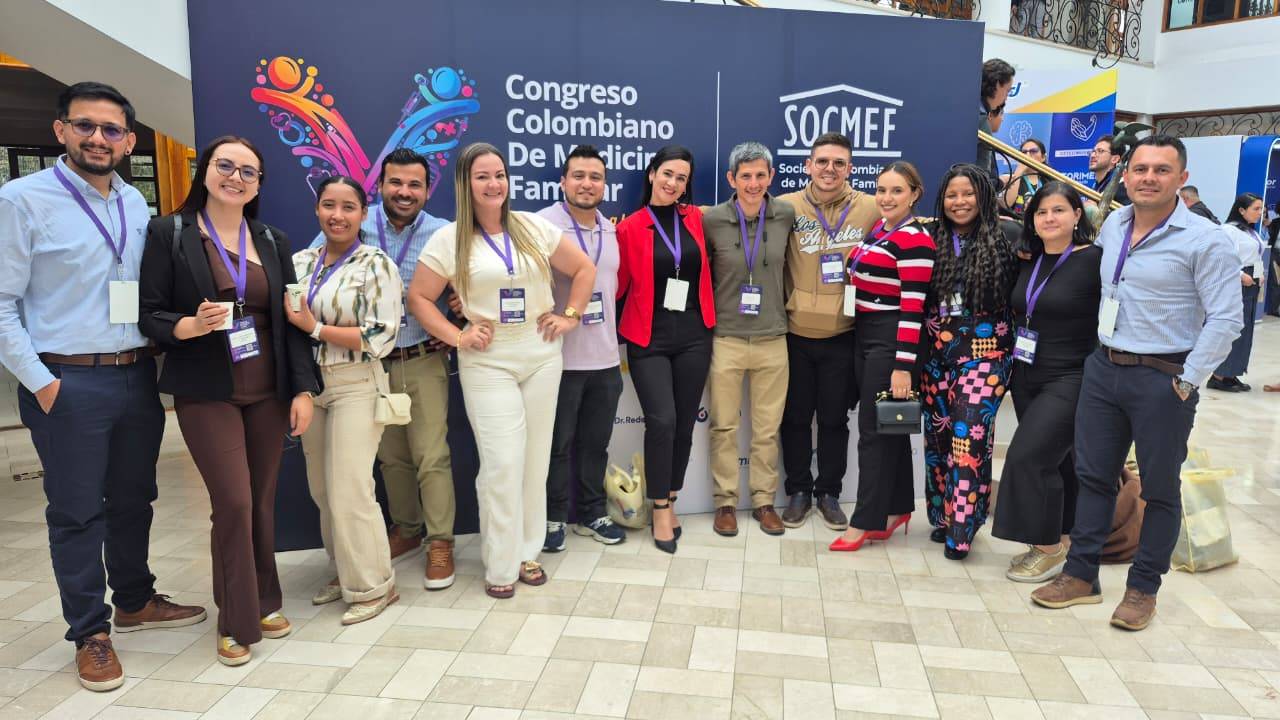
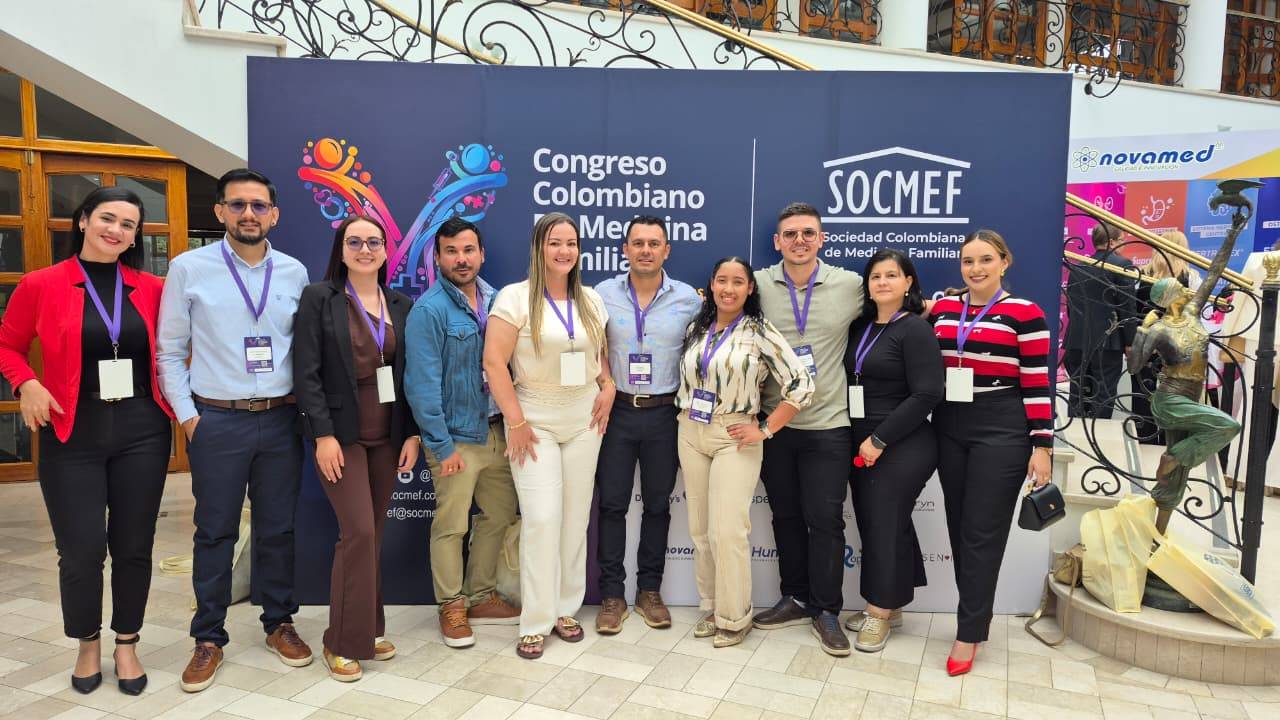
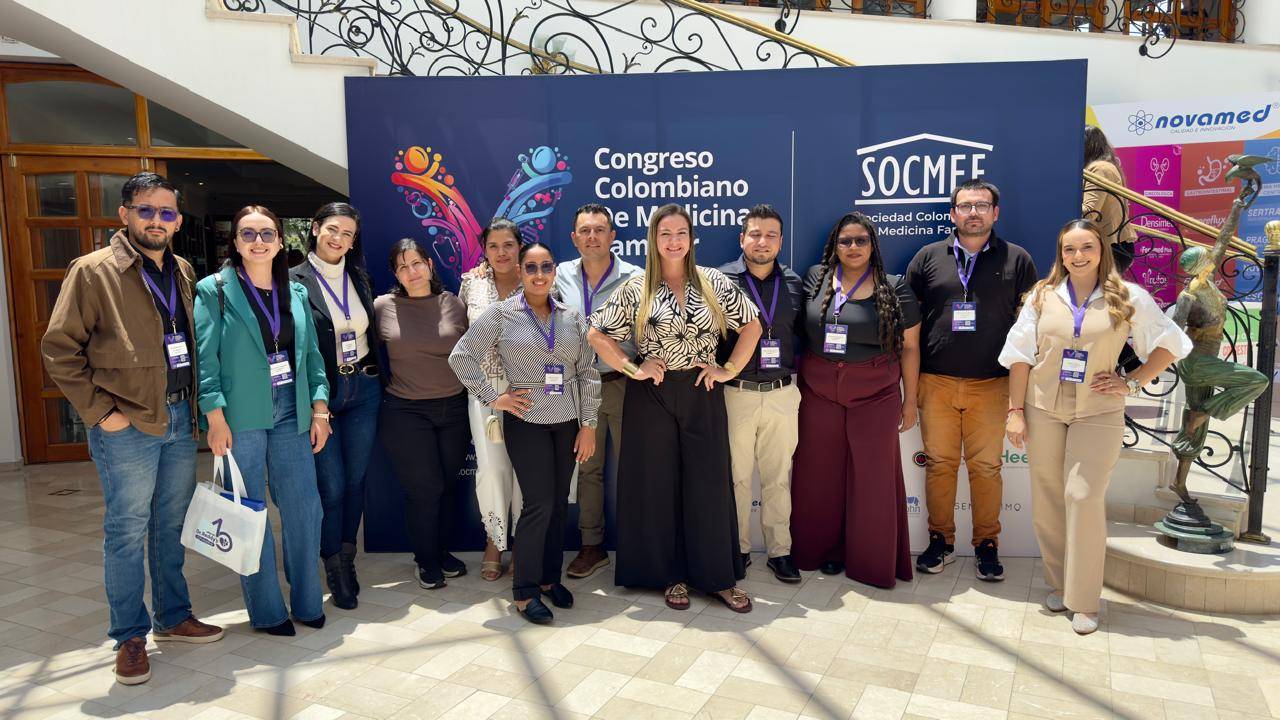
Los residentes del programa de Medicina Familiar de la Fundación Universitaria Navarra – UNINAVARRA participaron en el V Congreso Colombiano de Medicina Familiar, realizado del 3 al 5 de septiembre de 2026 en el Club de Oficiales de la Fuerza Aérea Colombiana, en Bogotá, y organizado por la Sociedad Colombiana de Medicina Familiar (SOCMEF).
Este importante encuentro académico reunió a profesionales y especialistas de diferentes regiones del país, generando un espacio para el intercambio de conocimientos, experiencias y perspectivas en torno a los desafíos actuales de la Medicina Familiar y la atención integral en salud.
La participación de nuestros residentes representa una valiosa oportunidad para fortalecer sus competencias académicas y profesionales, actualizar conocimientos y compartir experiencias con referentes nacionales de la especialidad.
Desde el Programa de Medicina Familiar de UNINAVARRA, continuamos promoviendo la formación integral de nuestros residentes, incentivando su participación en espacios académicos que contribuyen al desarrollo de una Medicina Familiar comprometida con las personas, las familias y las comunidades.
¡Felicitamos a nuestros residentes por representar a UNINAVARRA y seguir construyendo juntos el futuro de la Medicina Familiar en Colombia!
El Arte de Diagnosticar Cuando la Pintura Inmortaliza la Piel
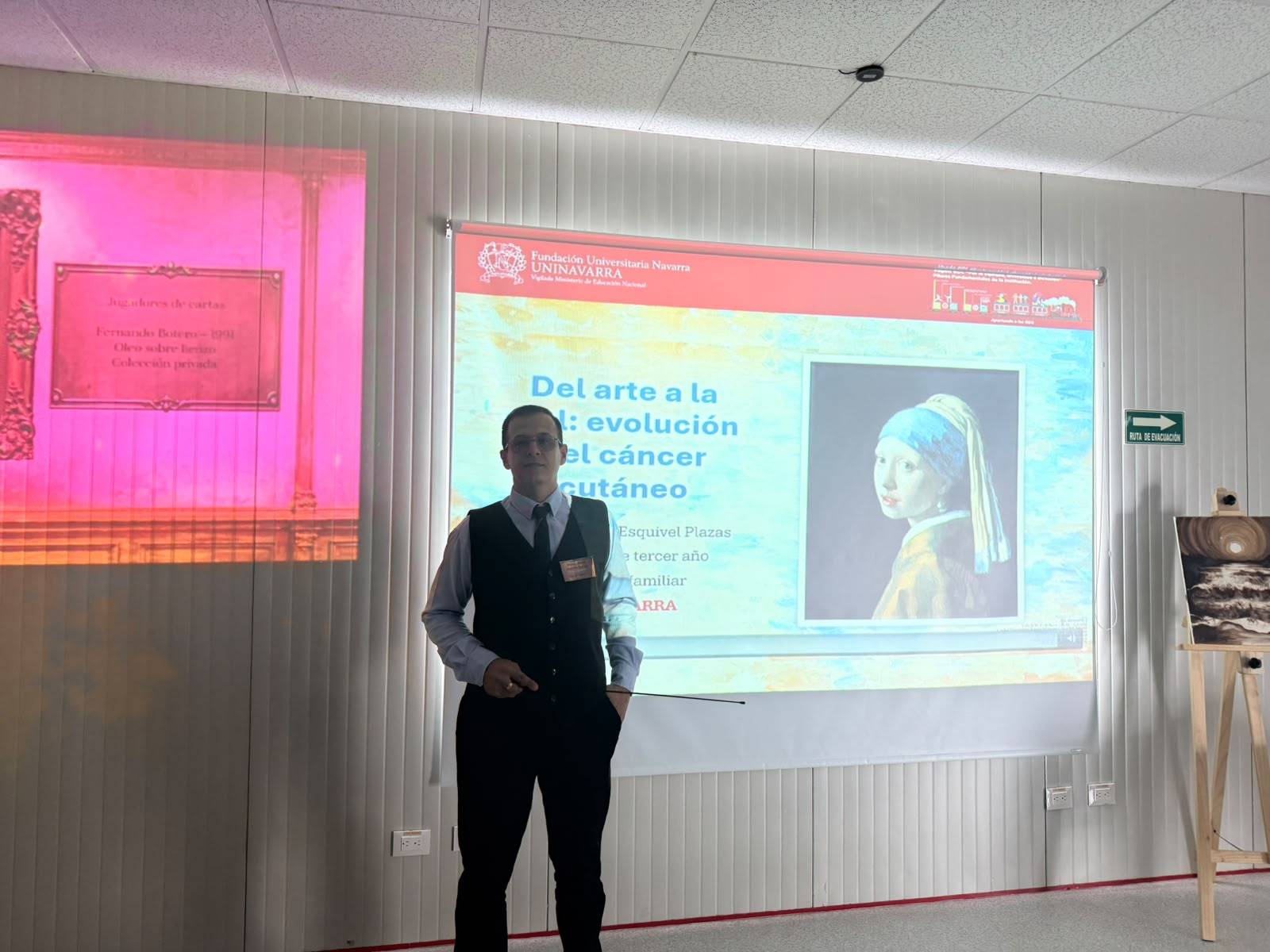
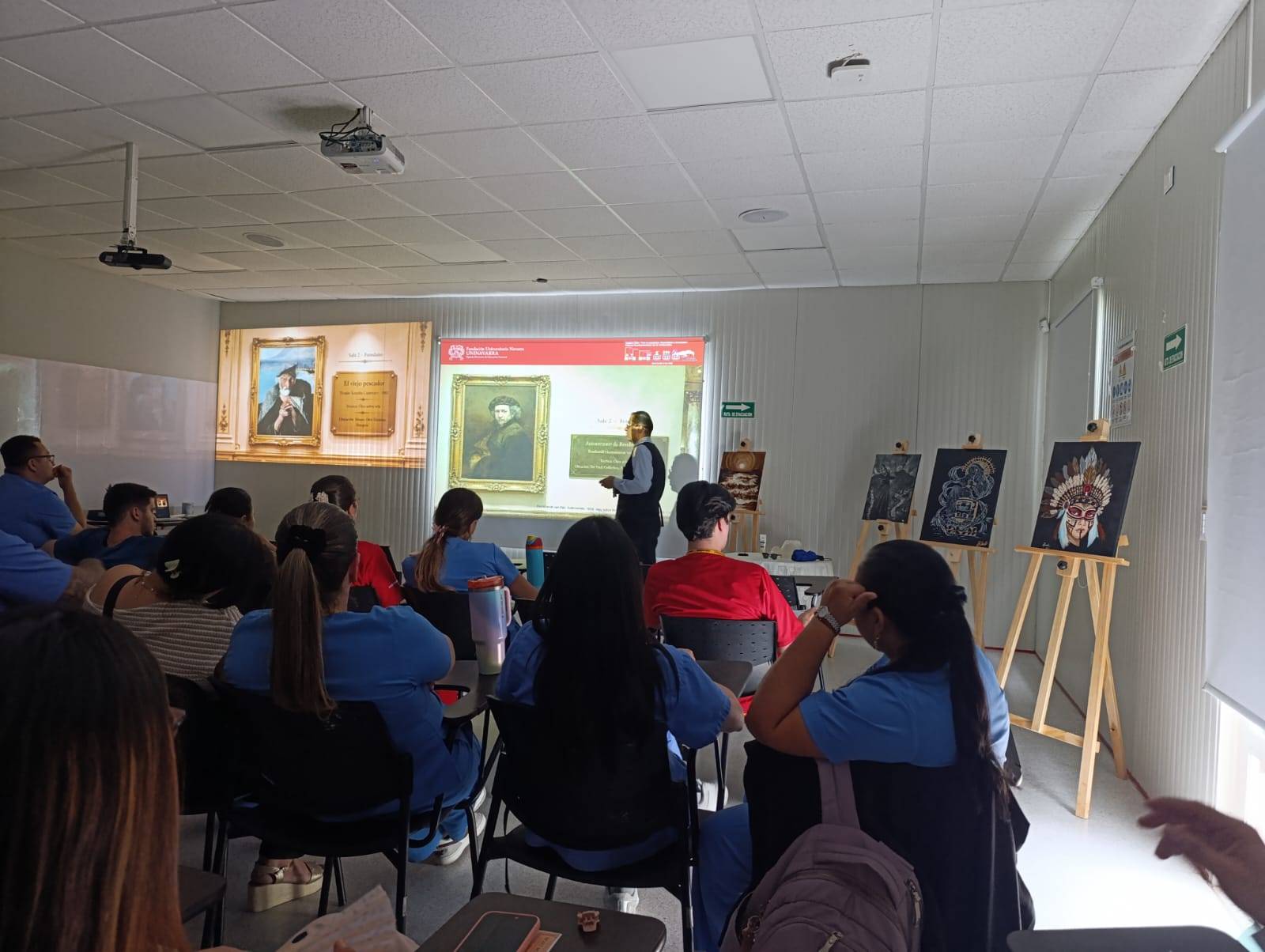
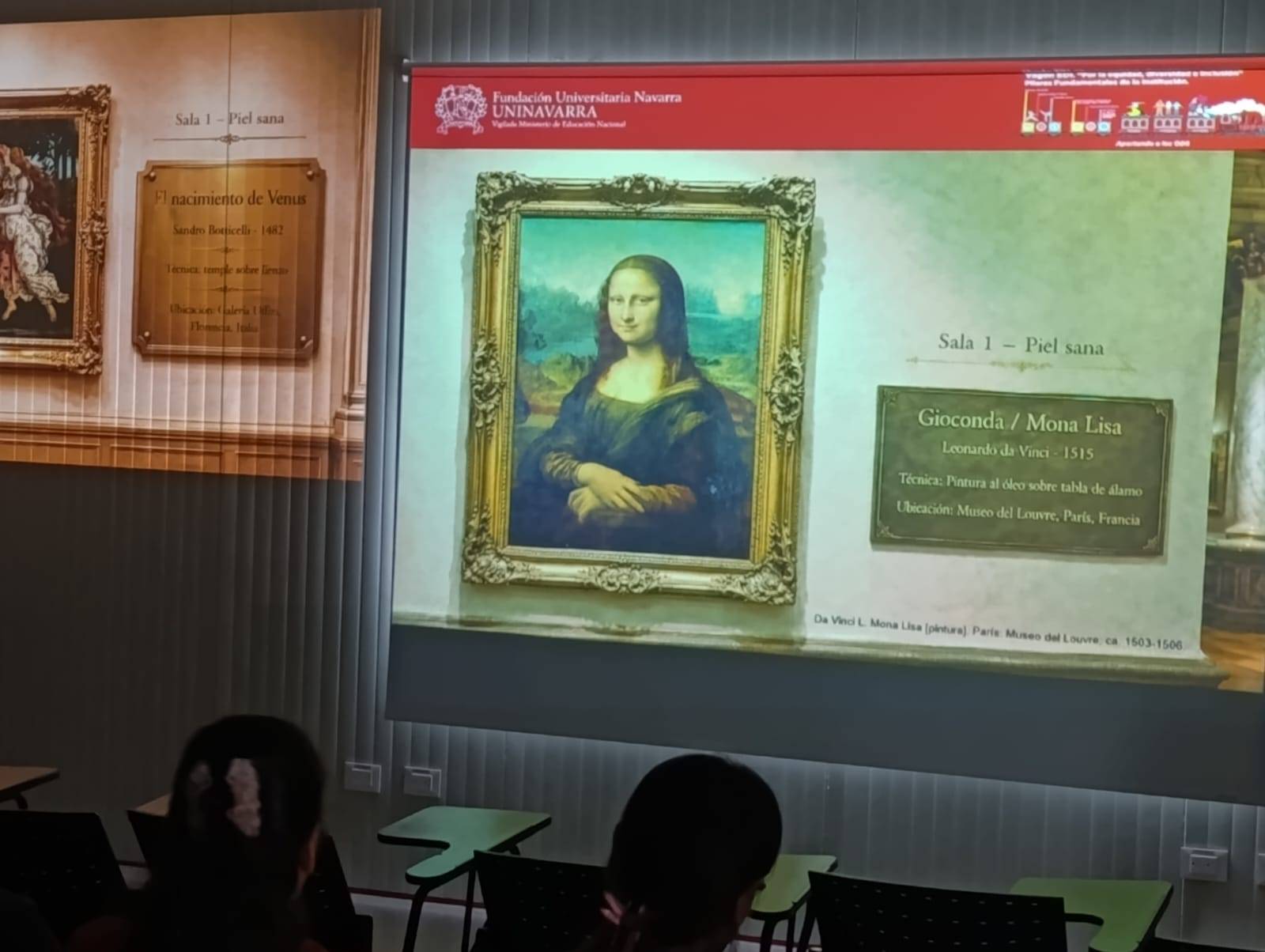
En una muestra brillante de erudición, innovación y visión clínica, el Dr. Wilmer Esquivel, residente de tercer año de Medicina Familiar, transformó el aprendizaje médico tradicional en un viaje cultural inolvidable. El pasado 21 de agosto de 2026, el Dr. Esquivel lideró una sesión creativa excepcional que llevó a los asistentes por una travesía didáctica a través de los museos más icónicos del planeta.
Con un ingenio notable y un dominio absoluto tanto de la historia del arte como de la dermatología, el residente conectó obras inmortales —como La Mona Lisa o El nacimiento de Venus, entre otras— con la semiología dermatológica fundamental:
- Maestría Artística e Histórica: Analizó a fondo el contexto, las técnicas pictóricas, la estructuración visual y los periodos históricos de cada obra.
- Integración Clínica Brillante: Decodificó cada pincelada para enseñar sobre la clasificación de fototipos de piel, la fotosensibilidad y la caracterización de afecciones cutáneas.
- Pintando el Diagnóstico: Utilizó el lienzo clásico como herramienta pedagógica para describir desde el daño solar agudo y crónico hasta la identificación temprana de lesiones premalignas y malignas.
Esta iniciativa redefinió la educación médica contigua al demostrar cómo la Family Medicine lidera la creación de estrategias didácticas innovadoras de aprendizaje perdurable. Con originalidad y un enfoque interdisciplinario, la sesión de la residencia de Medicina Familiar dejó en claro que la ciencia no se limita a las publicaciones académicas: vive, vibra y se manifiesta en todas las dimensiones del arte y del ser humano.
Protección inmunológica en adultos con enfermedades reumáticas Gran sesión creativa, construyendo una constelación de protección
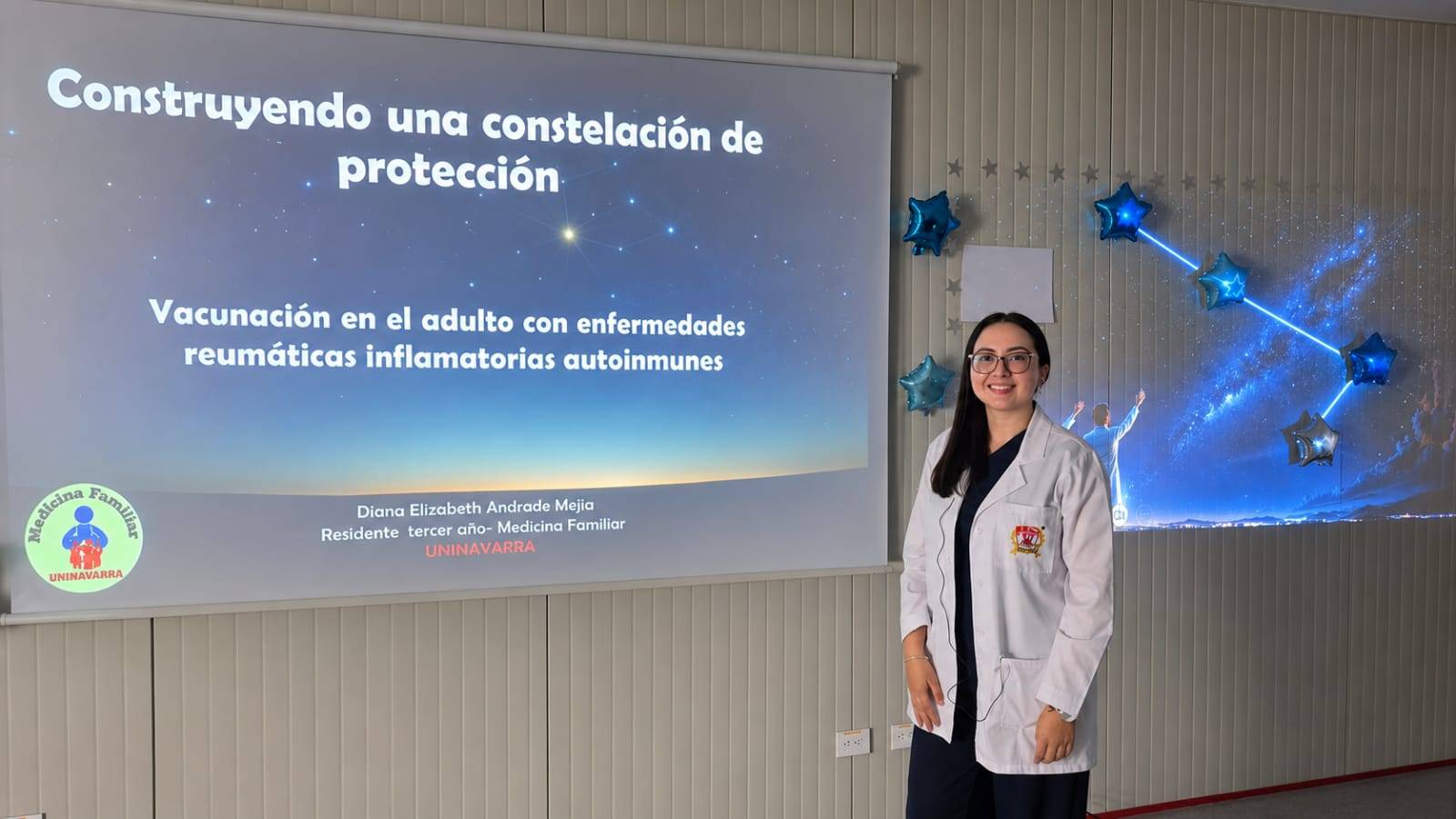
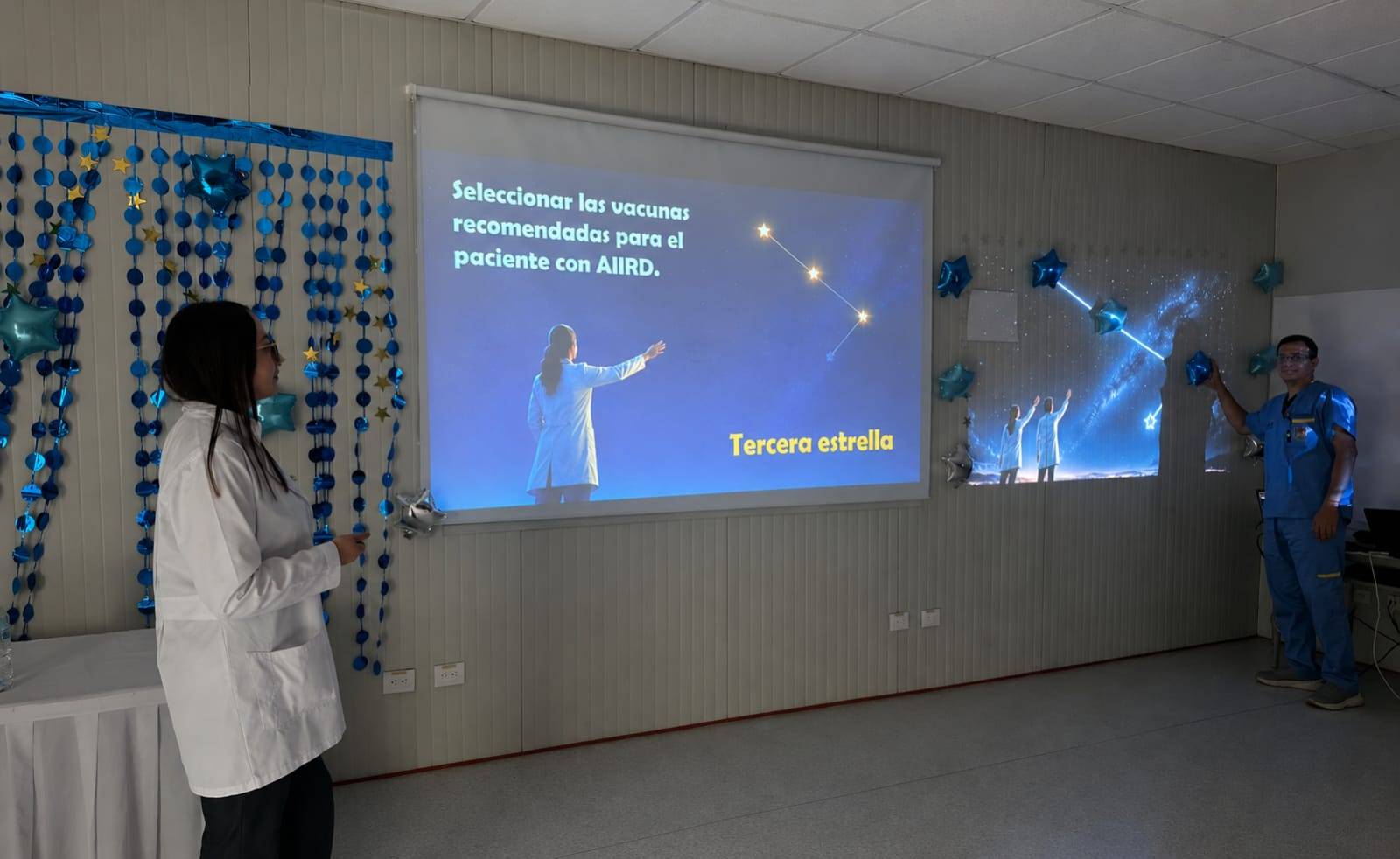
The 13 de agosto de 2026, la vacunación trascendió el enfoque clínico convencional para rediseñarse como una estrategia innovadora de cuidado integral y anticipación oportuna. En adultos con enfermedades reumáticas inflamatorias autoinmunes —cuyo perfil inmunológico y esquemas de inmunosupresión exigen decisiones terapéuticas complejas—, proteger implica precisión y oportunidad. A través de la metáfora transversal de la “constelación de protección”, esta sesión académica integró la evidencia con la práctica, transformando hitos del conocimiento en un mapa conceptual interconectado que redefinió el abordaje preventivo en Medicina Familiar.
Bajo la dinamización de la residente de tercer año de Medicina Familiar, Diana Elizabeth Andrade Mejía, la actividad se consolidó como un espacio colaborativo de alto valor pedagógico. Los residentes asumieron un rol activo en la resolución de decisiones clínicas complejas a partir del caso de María Elena, una paciente con artritis reumatoide. Este ejercicio de co-creación permitió trasladar las recomendaciones de las guías internacionales más recientes a escenarios reales, combinando el rigor del análisis de la evidencia sobre inmunosupresión con el análisis de las oportunidades de intervención en la consulta cotidiana.
El impacto académico de esta propuesta radica en su capacidad para articular la excelencia científica con la dimensión humana del ejercicio médico. Las vacunas, más allá de ser esquemas biológicos, se evaluaron como herramientas estratégicas para salvaguardar la autonomía, la funcionalidad y los proyectos de vida del paciente. Al interconectar cada eje temático como una estrella dentro de esta constelación, la Gran Sesión Creativa demostró que la formación médica avanzada logra su máximo nivel cuando une el liderazgo docente de los residentes, la solidez científica y una visión asistencial profundamente individualizada.
Una nueva contribución en el conocimiento científico investigación que transforma la medicina familiar
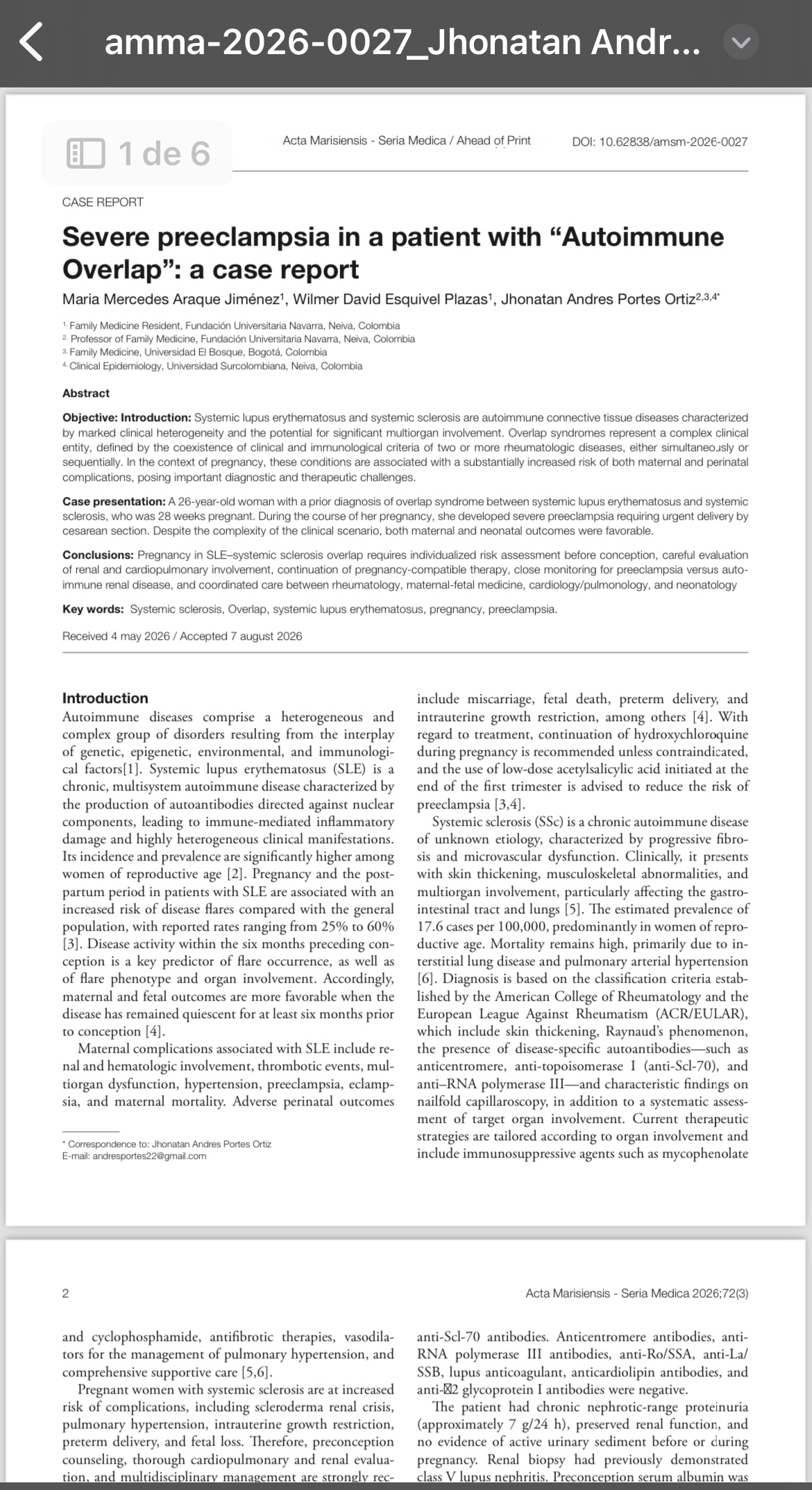
The program of Residencia en Medicina Familiar celebra la publicación del reporte de caso titulado “Severe preeclampsia in a patient with autoimmune Overlap: a case report”, una valiosa contribución al conocimiento médico internacional que vio la luz en la prestigiosa revista Acta Marisiensis – Seria Medica en agosto de 2026.
Este logro, fruto del rigor investigativo y la excelencia académica de los residentes Dra. María Araque y Dr. Wilmer Esquivel, junto a la mentoría del docente Dr. Jhonatan Portes, demuestra cómo el análisis detallado de escenarios clínicos de alta complejidad —como la interacción entre trastornos autoinmunes superpuestos y la preeclampsia severa— aporta evidencia clave para abordar desafíos diagnósticos y terapéuticos en la atención materno-perinatal.
Más que un artículo publicado, esta producción científica refleja la madurez y el crecimiento sostenido de la Especialidad en Medicina Familiar. Reafirma, además, el rol determinante del médico familiar: profesionales con la capacidad integral de intervenir de manera oportuna frente a la complejidad del ser humano en todas las etapas de la vida, conectando la ciencia de vanguardia con la práctica clínica.
Con contribuciones de este nivel, el programa no solo genera nuevo conocimiento, sino que consolida su liderazgo en la comunidad científica y reinterpreta el alcance de la medicina familiar en el panorama de la investigación médica global.
UNINAVARRA facing the world
We have an Internationalization Policy "UNINAVARRA FACING THE WORLD"which aims to offer the academic community a bridge between the local environment and the globalized world. Through its lines of action, it provides opportunities for interaction with the national and international environment in classroom and online mode, where you can live training experiences in other contexts, interact with people from different cultures, learn about the global dynamics and its social, cultural, economic, environmental changes, among others; enhance your career with national and international projection and strengthen your training as a global professional and citizen of the world.
Lines of action and opportunities:
- International Cooperation Management: Agreements, alliances, joint projects and networking with more than 200 institutions from different countries around the world such as Argentina, Brazil, Canada, Chile, Spain, United States, Italy, Mexico, Peru, among others.
- Academic Mobility Management: Student exchange opportunities during one or two academic periods throughout the development of the student's academic program in different types of mobility such as: academic exchange (taking subjects), short course, internship, practicum, medical rotation, mission, research stay, observership and degree modalities. Teaching mobility as national and foreign visiting professors in your classroom.
- Multiculturalism and Multilingualism Management: Activities that contribute to the development of intercultural competencies and communicative competence in a foreign language, mainly English as a universal language.
- Management of the Internationalization of the Curriculum: Joint classes with other institutions through mirror class methodology or COIL (Collaborative Online International Learning).
More information: https://uninavarra.edu.co/internacionalizacion/
Why study the Specialization in
Family Medicine at UNINAVARRA?

You will receive medical training with a holistic and humanized approach: Family medicine focuses on providing comprehensive, person-centered care, considering both physical and psychosocial aspects. This holistic approach ensures that all of the patient's needs are addressed and their well-being is promoted as a whole.
We promote prevention and health promotion: Family medicine focuses on disease prevention and promoting healthy lifestyles. Family physicians play a key role in educating patients about the importance of prevention and designing intervention strategies to maintain long-term health.
We understand the importance of primary health care: Family medicine is fundamental to primary health care, being the gateway to the health care system for many people. Family physicians are experts in the early detection of disease, the management of chronic conditions and the monitoring of patients' general health.
At UNINAVARRA, we have advanced resources for family medicine training. The High Complexity Simulated Hospital (HUSAC) gives students the opportunity to practice in a realistic environment with state-of-the-art technology. In addition, we have strategic alliances with important health institutions, so that students can perform professional practices in a quality clinical environment.
If you are interested in providing comprehensive medical care and being an agent of change in people's health, the specialization in family medicine at UNINAVARRA will provide you with the necessary tools and knowledge to excel in this vitally important field.
Practice scenarios