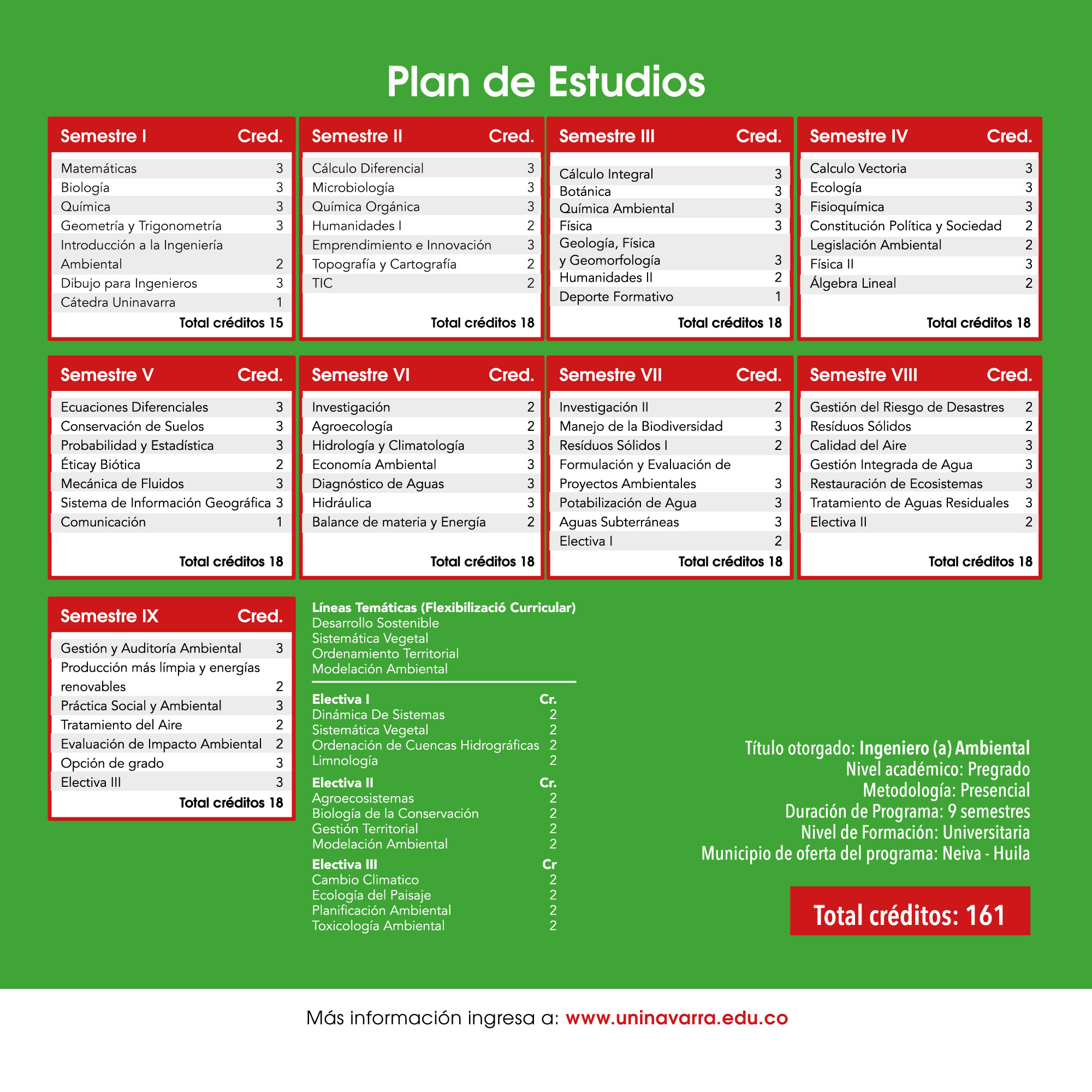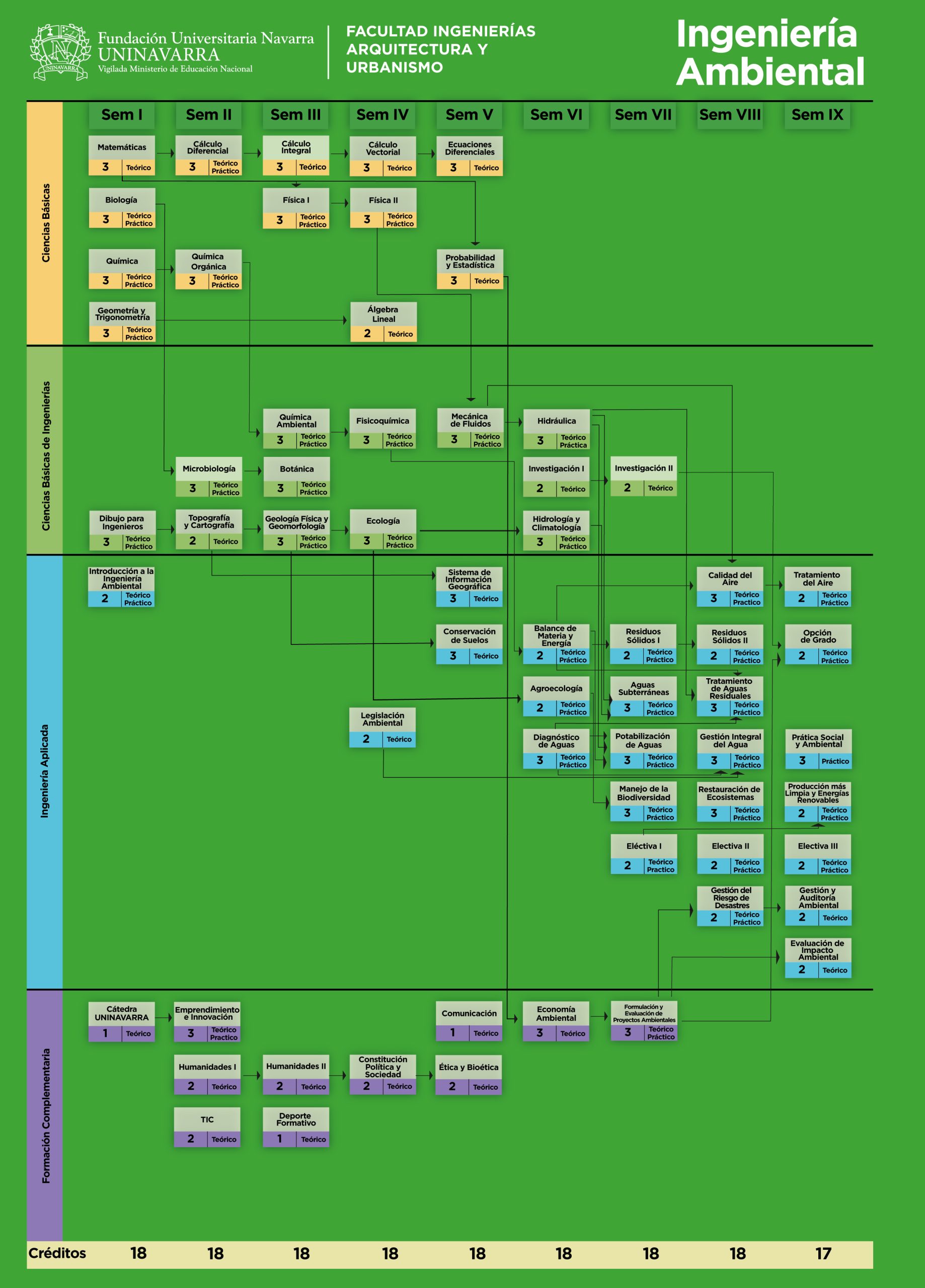
| Title awarded: Environmental Engineer |
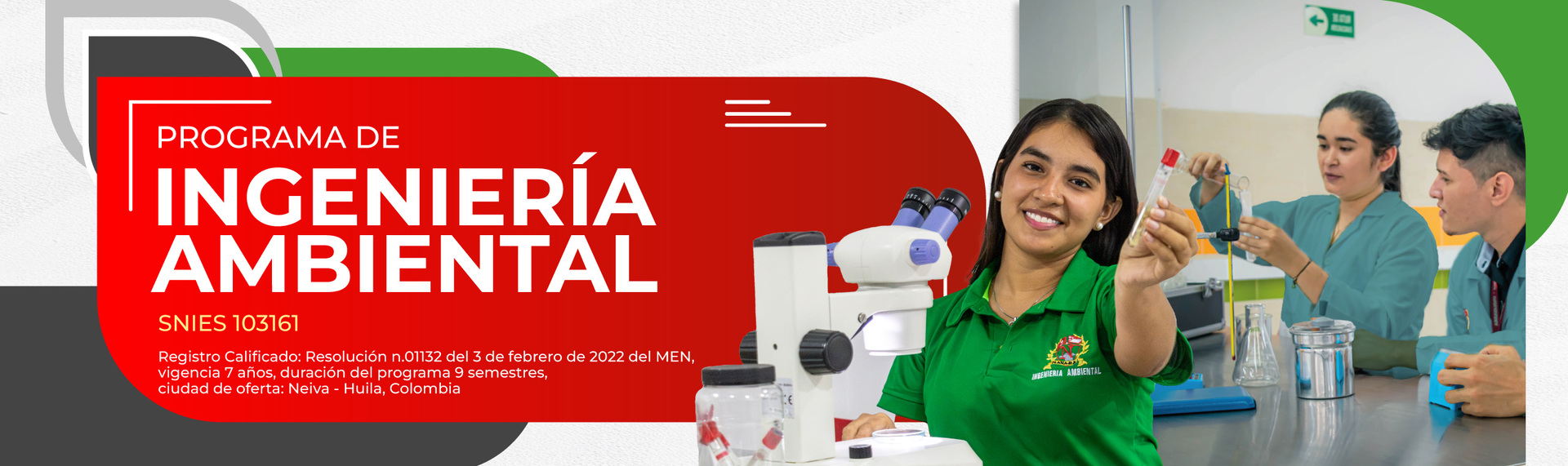
| SNIES Code 103161 |
| Qualified Registration: Resolution No. 01132 of February 3, 2022 |
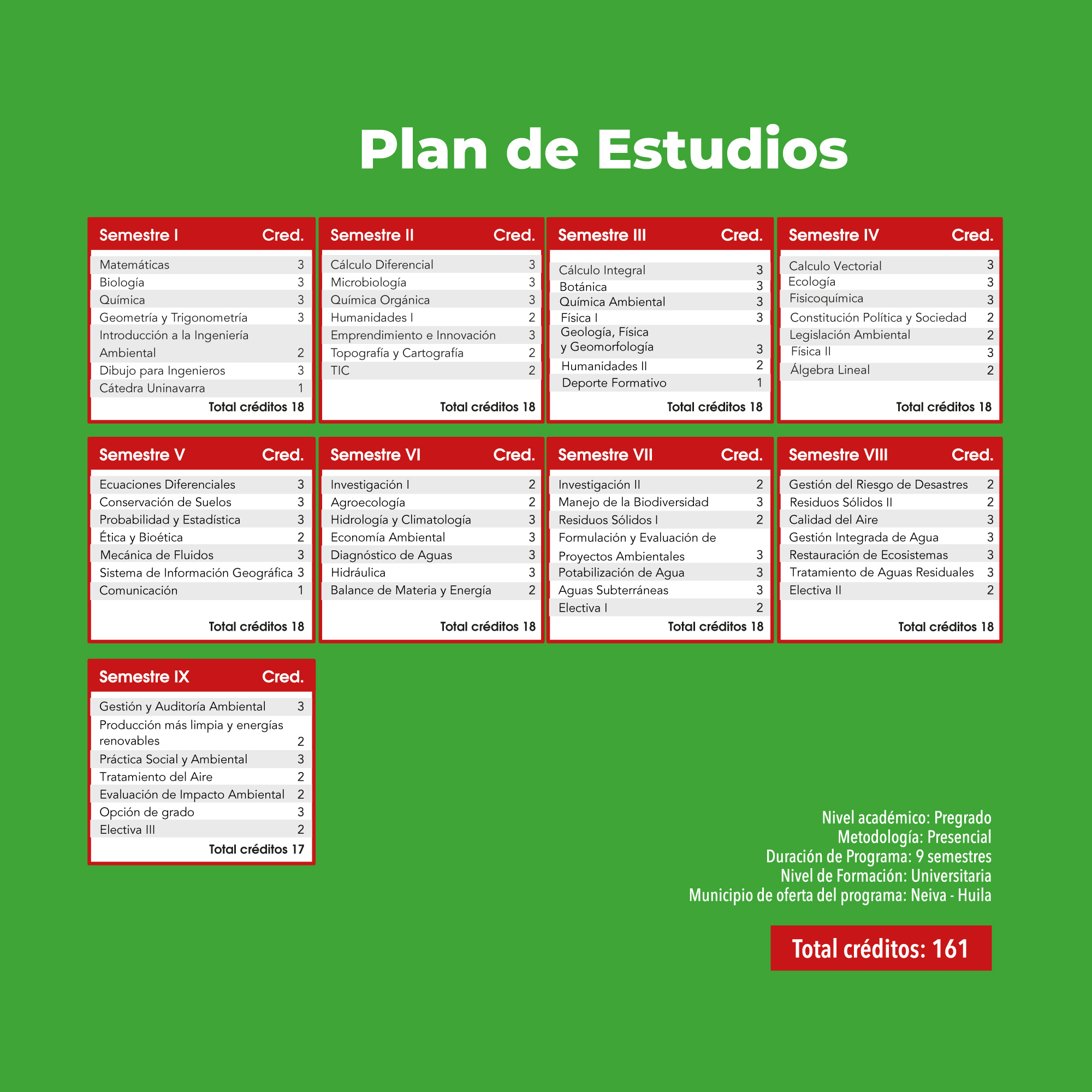
| Duration of the Program: 9 Semesters |
| Number of academic credits: 161 |
| The program is attached: Faculty of Engineering, Architecture and Urban Planning |
| Academic Level: Undergraduate |
| Level of training: Professional |
| Methodology: On-site |
| Location: Neiva, Huila, Colombia |
| Periodicity of admission: Semiannual |
| Contacts: +57 318 071 5286 +57 317 514 1730 |
Presentation of the program



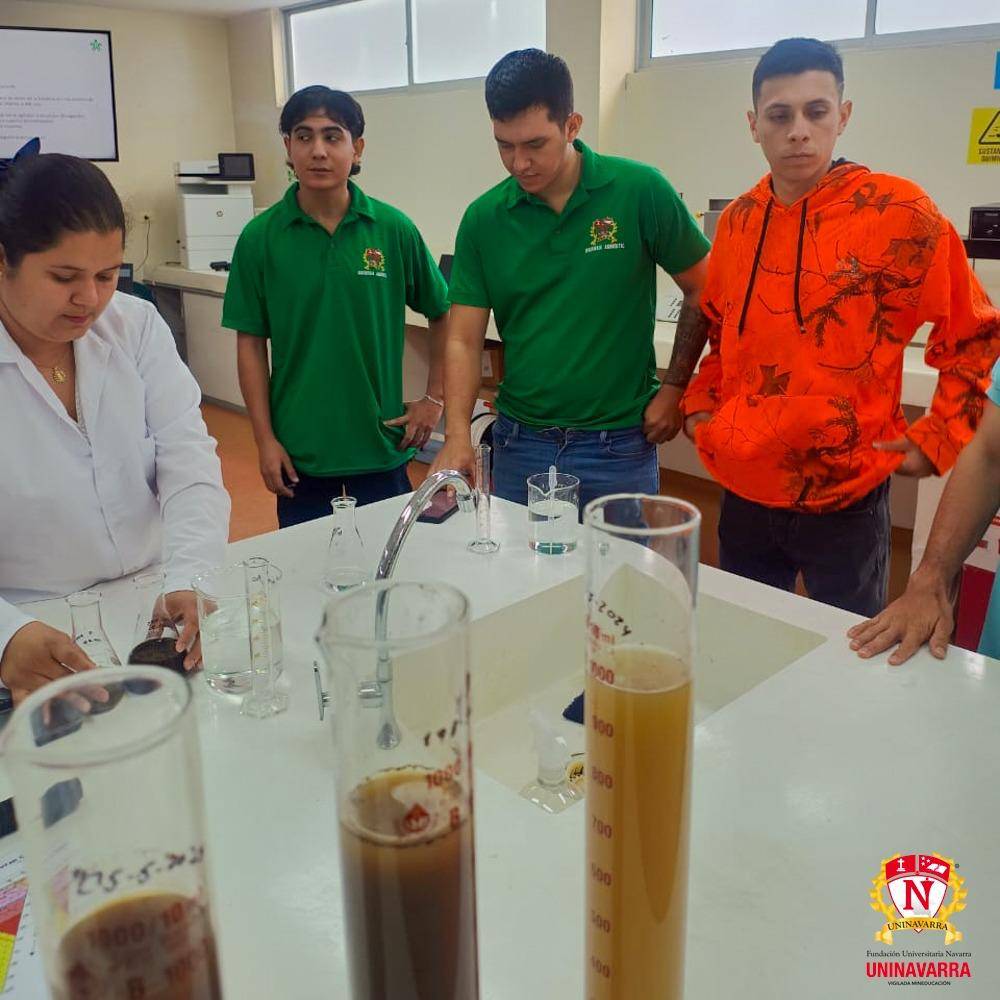
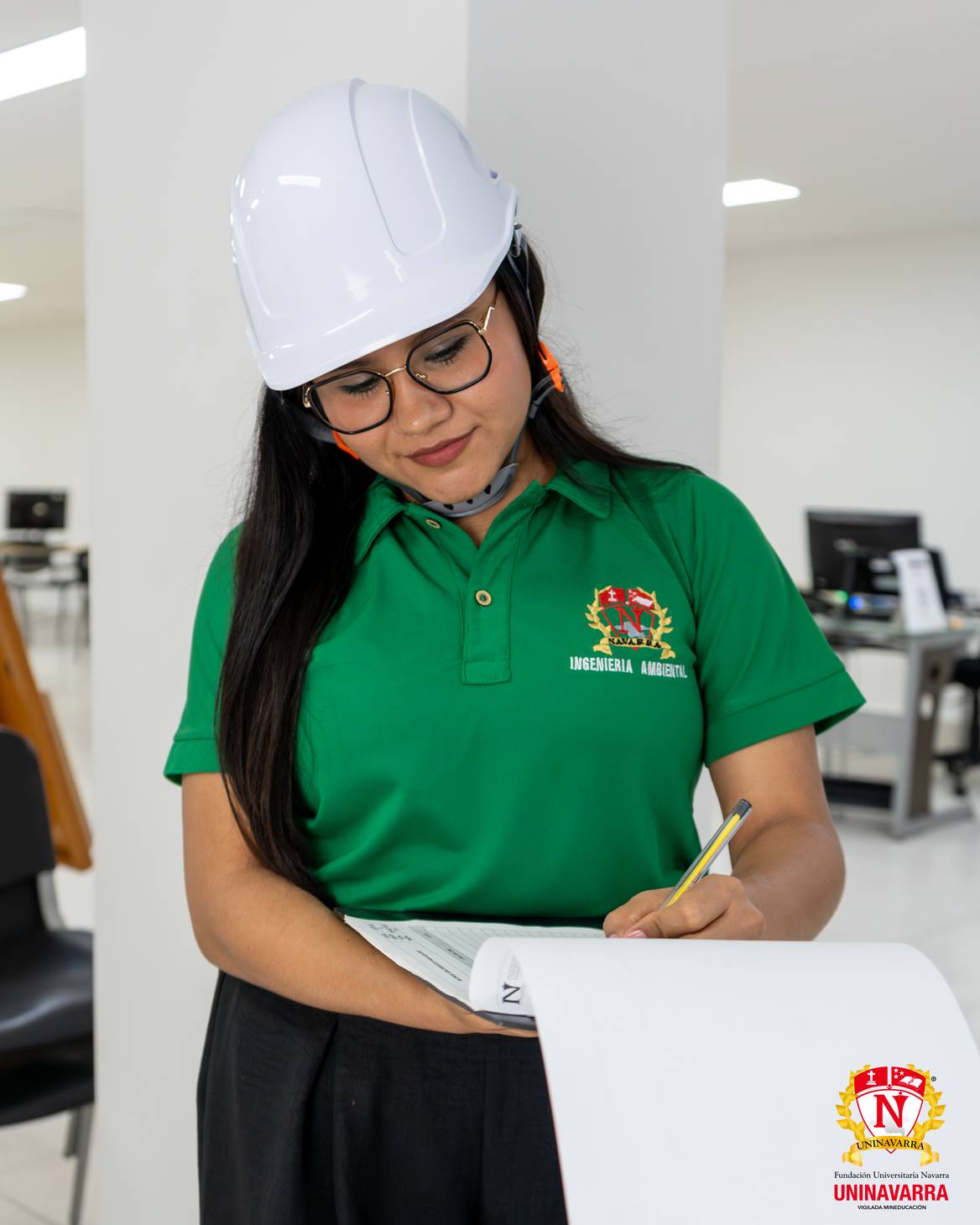
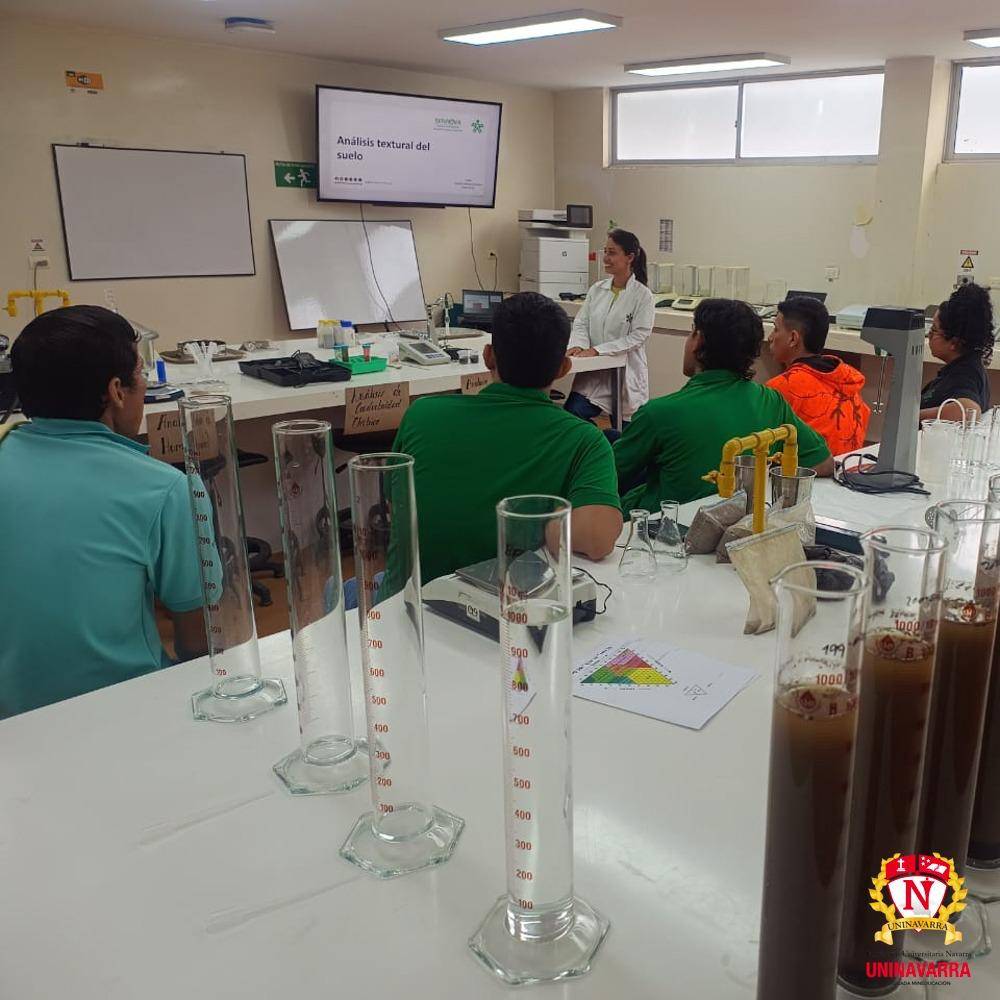
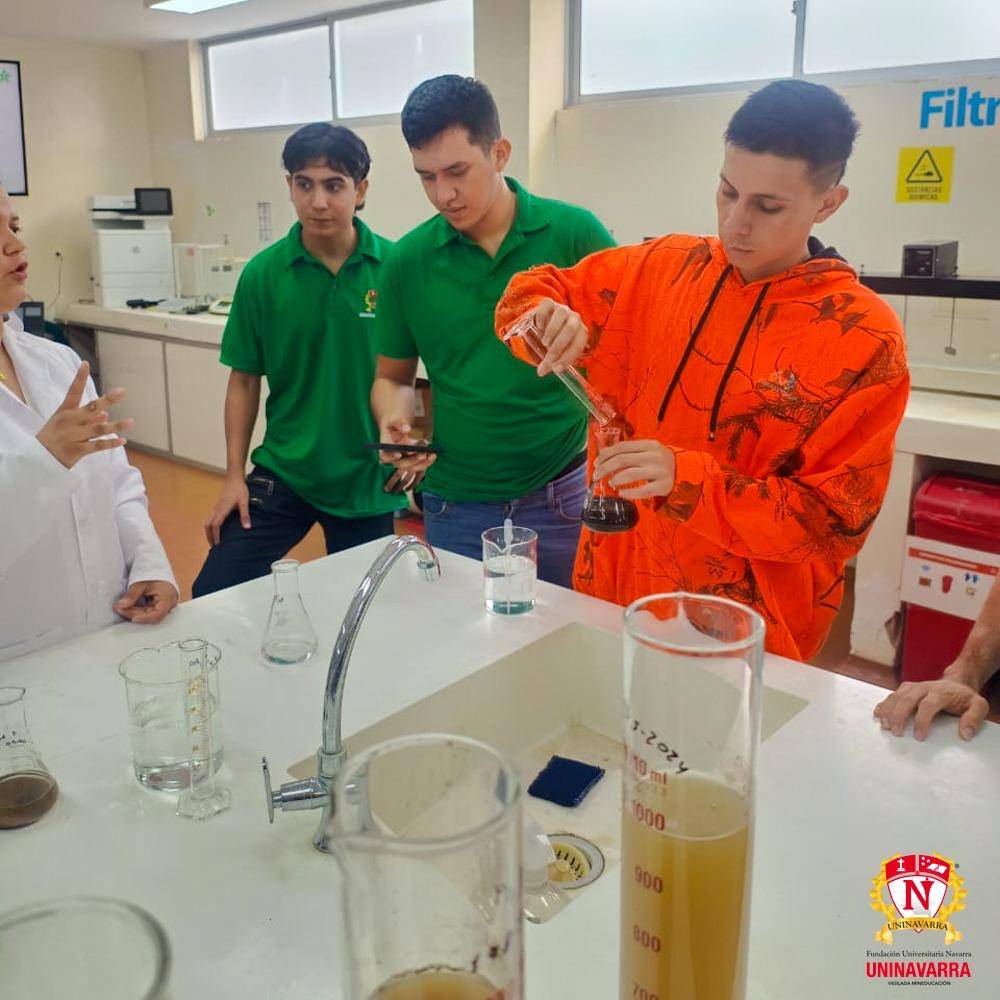


At UNINAVARRA we train environmental engineers who really want to change the world. Our program is designed for young people with an innovative mindset, an entrepreneurial spirit and a desire to face the great environmental challenges of the 21st century. Here you not only study a career: you learn to create sustainable solutions, to lead projects with real impact and to contribute to the responsible development of your region and country.
From the beginning, the program combines the study of natural processes -physical, chemical and biological- with the practical application of innovative solutions to prevent and control environmental pollution. This allows you to understand current environmental problems and act with judgment, creativity and commitment to the needs of society.
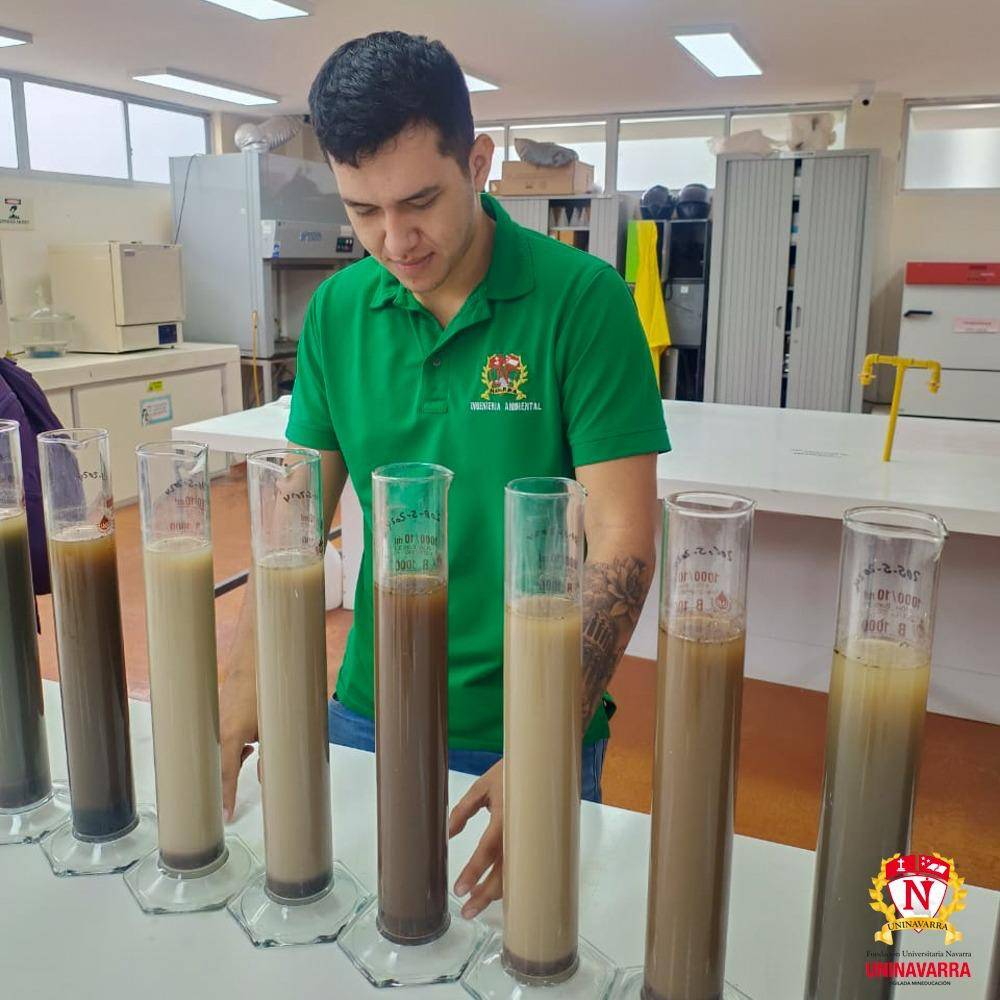
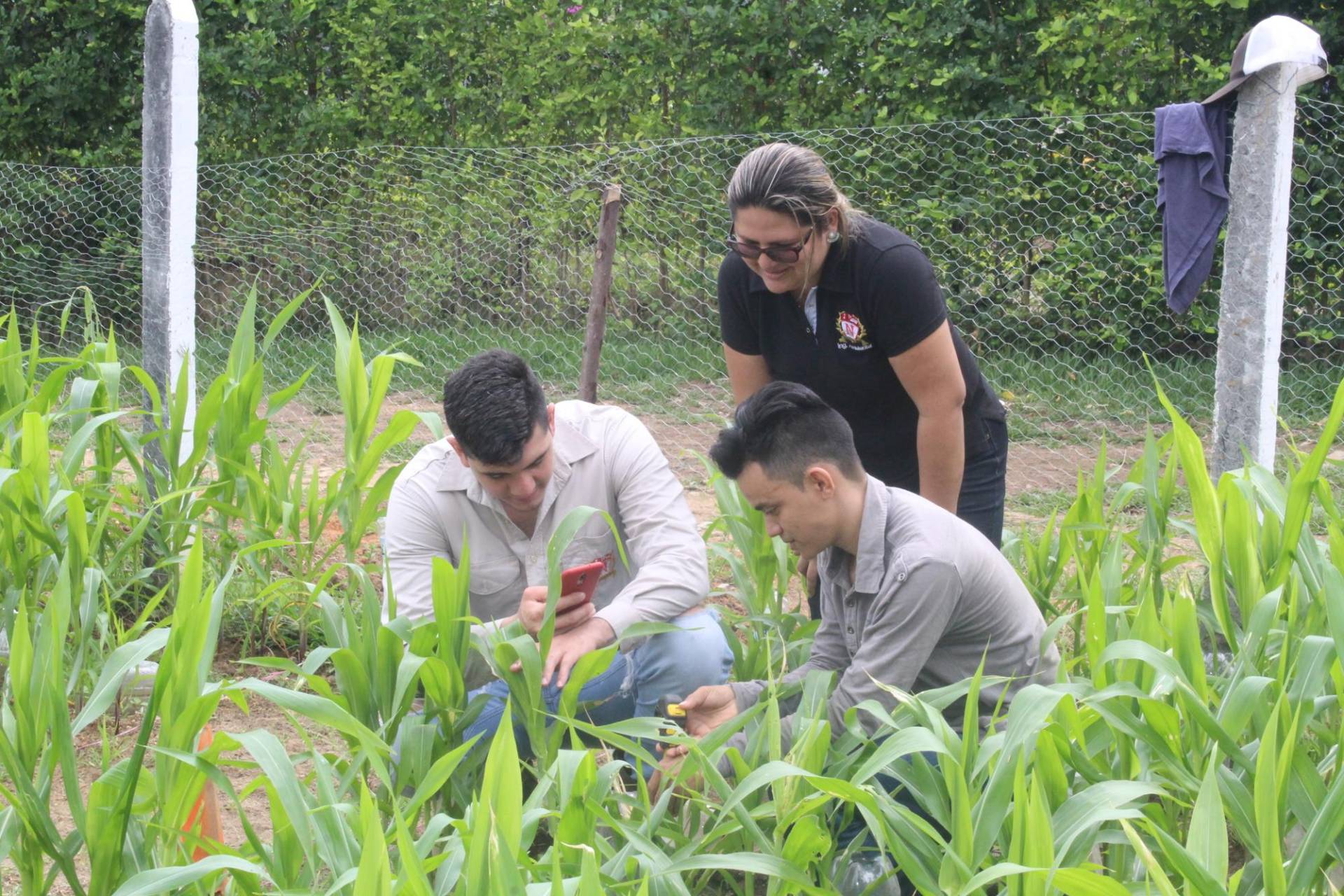
Our training is dynamic, up-to-date and very practical. You will develop critical thinking, autonomy and skills to use sustainable technologies in key areas such as water and soil management, air pollution control, waste management, environmental biotechnology and natural resource protection. All with a clear objective: to improve the quality of life of communities.
At UNINAVARRA we believe in professionals who not only know about the environment, but are committed to caring for it and transforming it into opportunities. Therefore, our program integrates sustainability, entrepreneurship and social responsibility, aligned with the Sustainable Development Goals.
If you are passionate about the planet and want to make a difference, Environmental Engineering at UNINAVARRA is for you.
The Environmental Engineering program is committed to the integral formation of engineers with solid knowledge of environmental issues based on challenge-based learning, with the capacity to contribute to the prevention, mitigation, correction and compensation of environmental impacts and to the sustainable development of the region and the country.
The Environmental Engineering program of UNINAVARRA aims to be by the year 2027, a program of high academic quality, recognized in the regional and national environment, for its technical and research level, international interaction, social projection, extension and entrepreneurship; forming integral professionals in designing and implementing environmental strategies for the protection and conservation of the environment.
Admission requirements
- Academic profile: corresponds to the previous training of the applicant, who must have a bachelor's degree that accredits him/her to access the program.
- Intellectual profileThe results obtained in the ICFES state tests are evaluated by establishing minimum admission scores according to the criteria defined for the Environmental Engineering program.
- Attitudinal profile: The applicant's affinity with the training requirements of the program and his/her commitment to training in the environmental area are assessed through an admission interview.
Graduate profile
The graduate of the Navarra University Foundation - UNINAVARRA, will have a formation inspired by integral and flexible, interdisciplinary, basic and specialized thinking in Environmental Engineering, with a research culture, contextualized in regional, national and global environments; with critical and autonomous thinking, creative capacity, communication skills and skills for interdisciplinary work, recognizing the interaction between environment, through an ethical, committed and socially responsible professional practice.
Our graduate can participate in activities of planning, design, operation, auditing, consulting, project formulation, economic, social and financial evaluation of environmental projects, environmental impact studies, environmental diagnostics, basic sanitation projects, application and technological innovation and clean production systems, application of environmental standards, assembly and auditing of business environmental management systems, in addition to monitoring and control in the framework of understanding, prevention and management of environmental problems for the areas of:
- Industry: Production of goods and services, manufacturing.
- Projects, works or activities in the following sectors: hydrocarbons, mining, electricity, maritime port, public works, road networks, hazardous and non-hazardous waste management, domestic and non-domestic water treatment, drinking water treatment, territorial development.
- Environmental NGOs.
- Regional Autonomous Corporations.
- Consulting firms.
- Public utilities.
- The public sector at the municipal, departmental or national level.
- The academic sector in the development of environmental research.
Professional profile
The Environmental Engineer of the Navarra University Foundation - UNINAVARRA will have the ability to apply the principles of protection, conservation and optimal use of natural and environmental resources; and to develop research in the area of Environmental Sciences. Will have responsibility for the protection of public health, care of the environment and the reduction of risks caused by nature and man; the ability to develop functions that include drinking water supply and wastewater treatment, environmental modeling, liquid waste management, protection of water resources (rivers, lakes, oceans, coasts, groundwater and others), flood control, wetlands protection, management and use of water from aquifers, agroecosystems, conservation biology, disaster prevention and environmental emergencies, use and energy valuation of solid waste, land management and environmental planning, and the assembly and development of technologies and techniques for bioremediation.
The Environmental Engineer of the Navarra University Foundation - UNINAVARRA will be able to:
- Select, design and implement technologies necessary to prevent, control, minimize and/or remediate damages or impacts on the environment caused by human activities.
- Design plans, programs and strategies to solve pollution problems in industrial companies.
- Formulate projects and develop consultancies for the public and private sector related to air, soil and water pollution control.
- Plan, design, and implement environmental management systems seeking sustainable development, optimizing processes and reducing costs.
- Research and innovate in the creation of new technological systems and the development of best practices for the solution of environmental problems.
- Design, construction, operation and management of clean technologies that respond to the different environmental problems associated with the economic activities that sustain national development.
- Design and participation in the preparation of environmental studies and environmental management, land use and development plans.

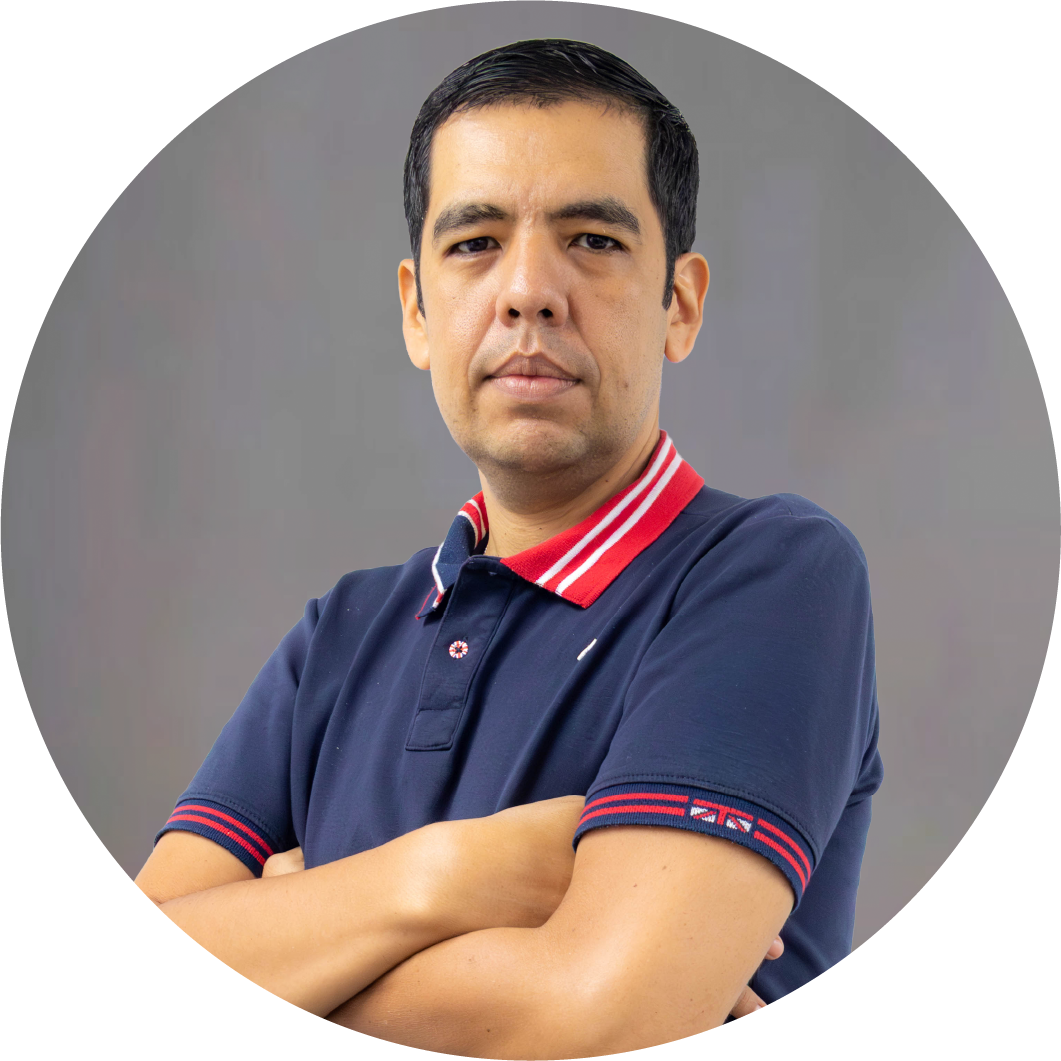
William Eduardo Navarro Parra
Dean of Engineering, Architecture and Urbanism

Leidy Johana Diaz Sanchez
Program Director

Diana Carolina Viveros Monje
Director of the Environmental Consultancy
Eduardo Pastrana Granados
Professor

Juan David Parra Quintero
Professor

Helber Rivera Rios
Professor

Jordan Aldemar Díaz Castro
Professor
Environmental Engineering present at the commemoration of environmental week
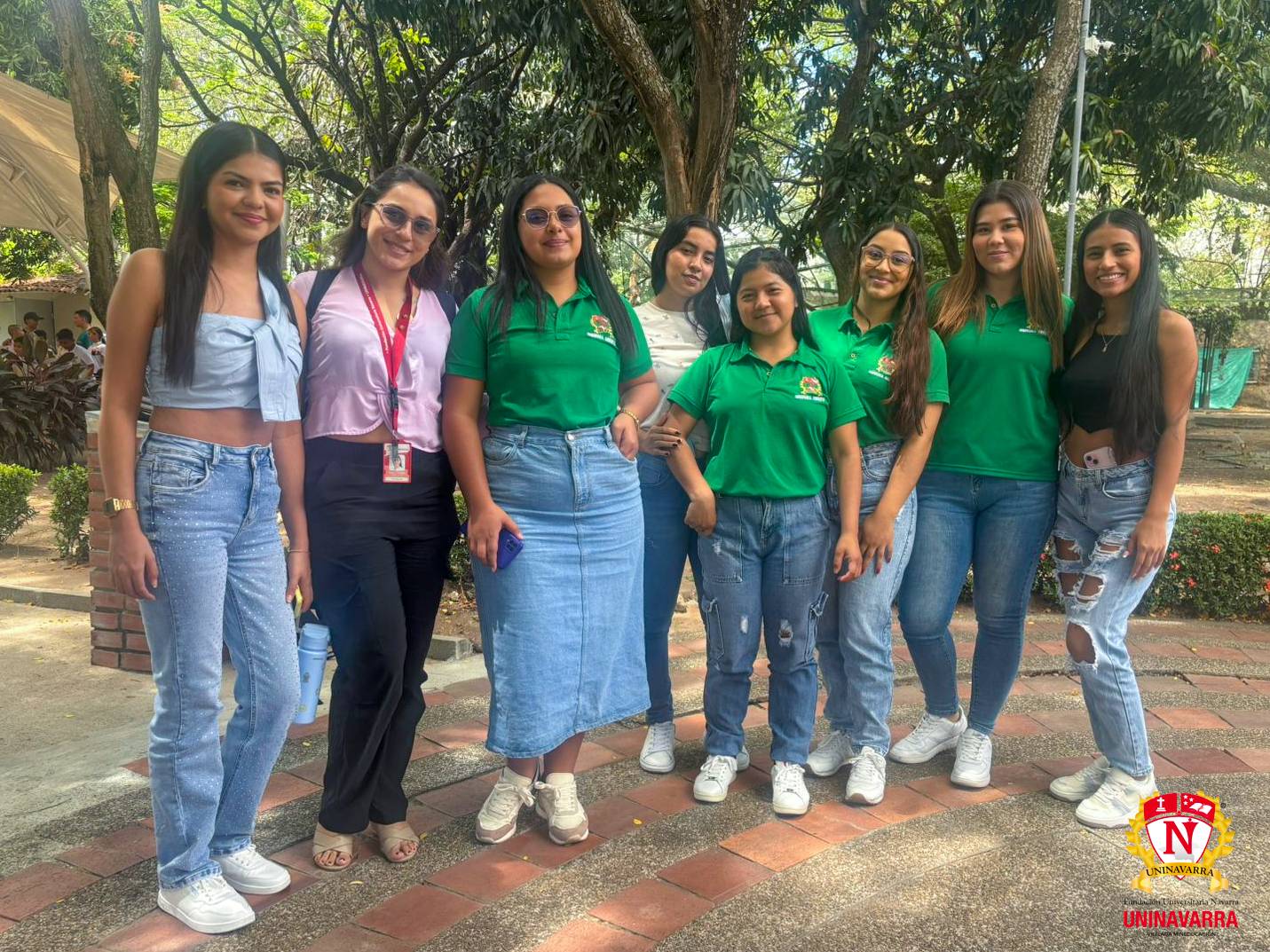
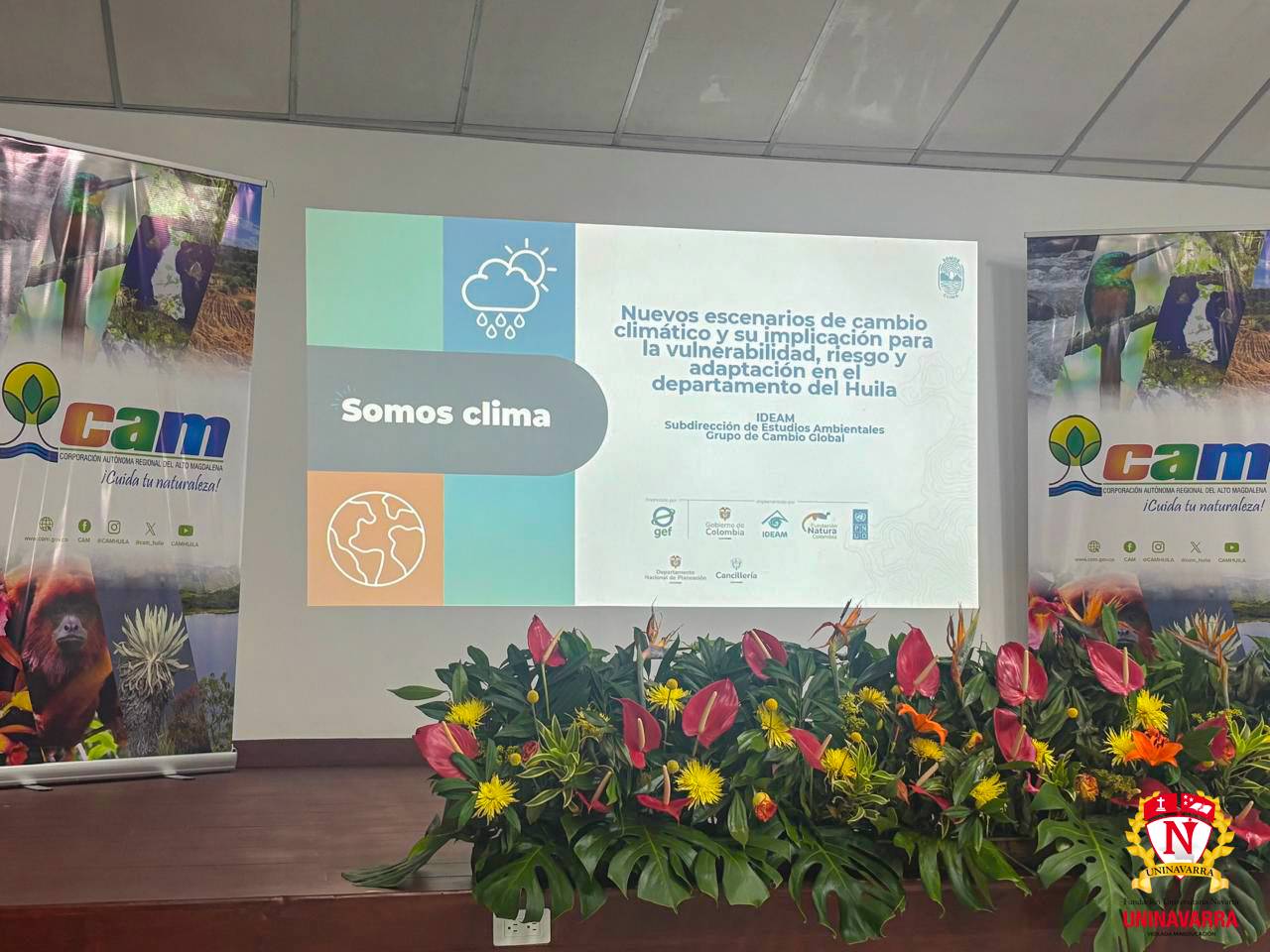
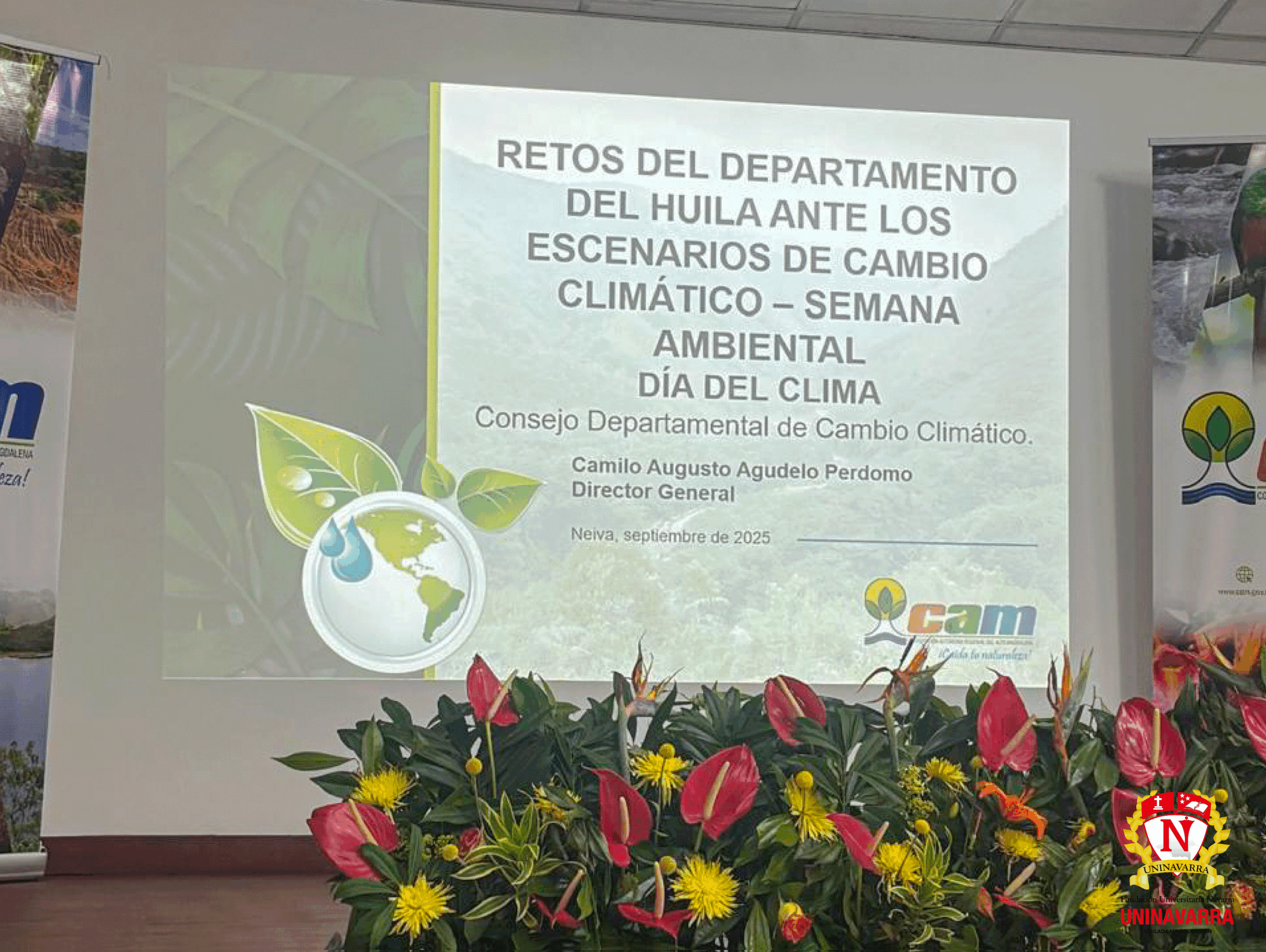
The Navarra University Foundation - UNINAVARRA has established itself as an institution committed to the comprehensive training of professionals capable of responding to the environmental challenges of the 21st century. Its participation in academic and scientific events related to climate change strengthens the mission of training environmental engineers with a critical and proactive vision in the face of current challenges. The active involvement in scenarios of debate and analysis, such as the Climate Day within the framework of the Environmental Week, projects the university's research and pedagogical work beyond the classroom, generating a bridge between academia, institutions and the local community, in favor of innovative solutions for adaptation and mitigation in the face of the climate crisis.
The event, held on Wednesday, September 3, 2025 at the CAM Auditorium in Neiva, was a space of great relevance for the Huila region. The day included lectures on new climate change scenarios and territorial vulnerability (IDEAM), the application of these in the agricultural sector (FAO) and territorial challenges in climate management (CAM), in addition to a panel on nature-based solutions and resilience. The presence of public entities, international institutions and local organizations demonstrated the importance of multi-sectoral articulation for sustainability. In this context, UNINAVARRA participated with a group of students from different semesters of Environmental Engineering, who, together with their teacher, strengthened their training with direct experiences in policy and climate management scenarios.
The relevance of this participation lies in the fact that students not only received valuable technical inputs, but also witnessed the interaction between scientific knowledge, public policy and territorial management. Thus, UNINAVARRA contributes to the training of professionals with technical, social and ethical competencies, prepared to lead transformation processes towards sustainability. This experience on Climate Day reaffirms the importance of environmental education linked to practice and decision-making, consolidating the university as an academic reference in the construction of resilient territories in the face of climate change.
UNINAVARRA and Electrohuila: Business Breakfast for the Future of Huila
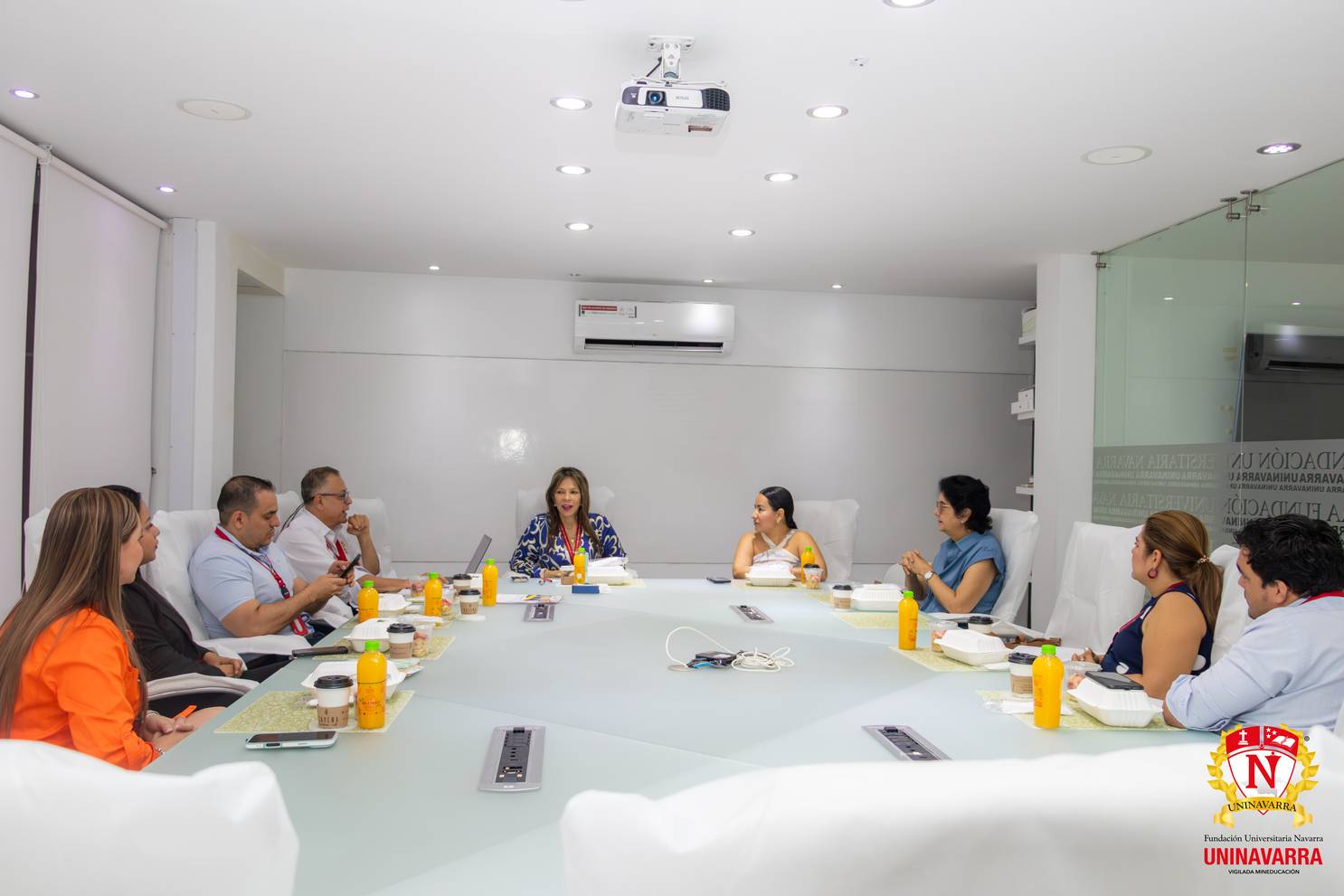
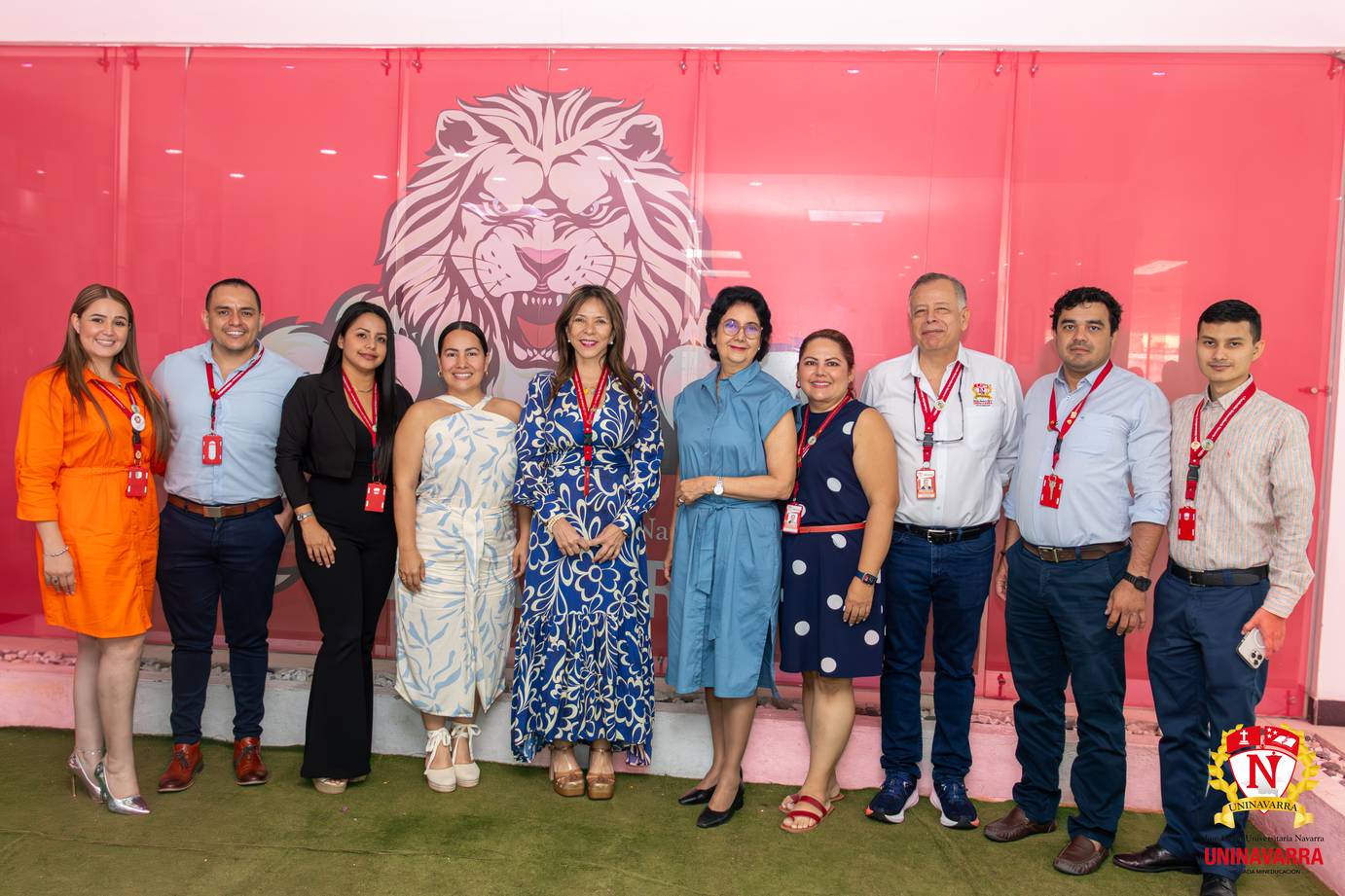
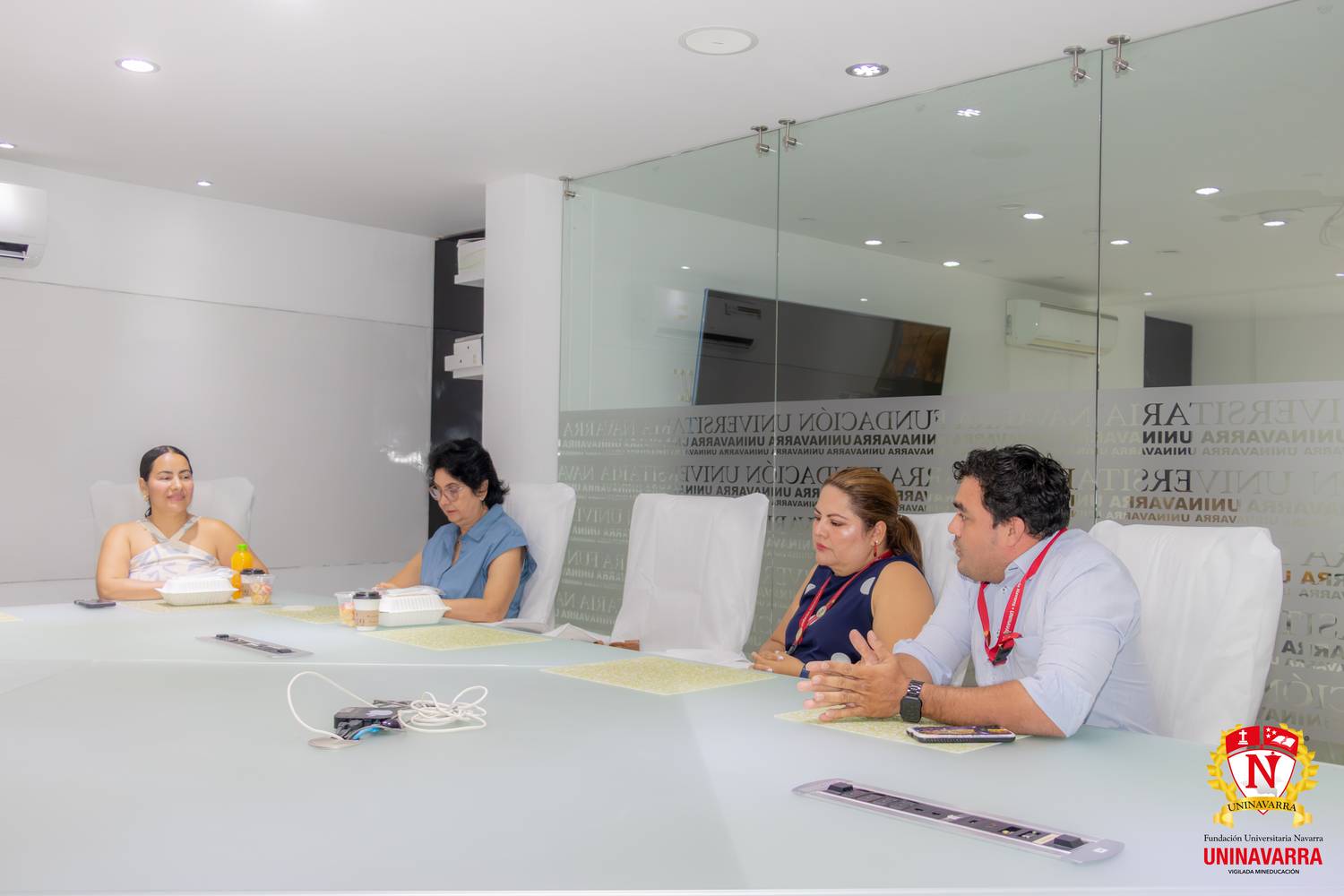

In a cordial and forward-looking atmosphere, the Faculty of Engineering, Architecture and Urban Planning, the Faculty of Humanities and Social Sciences and the Faculty of Economics and Administrative Sciences of the University Foundation Navarra - UNINAVARRA, held a Business Breakfast with the Electrificadora del Huila - Electrohuila S.A. E.S.P., in the facilities of the institution. The main purpose of this space was to strengthen the links between academia and the productive sector, consolidating strategic alliances that promote the social, economic and educational development of the region. With this initiative, UNINAVARRA reaffirms its commitment to the training of highly competent professionals, generating scenarios that integrate theoretical knowledge with the business dynamics of Huila.
During the meeting, key issues such as academic cooperation opportunities, the offer of internships for students and the development of joint projects were discussed. They also discussed mechanisms to articulate efforts around technological innovation and continuous training of human talent, for the benefit of the student community and the company. UNINAVARRA executives, teachers from the different faculties and Nika Cuéllar, manager of Electrohuila, actively participated in the event, sharing their expectations, needs and experiences in an open and constructive dialogue. This exchange allowed laying the foundations for the design of collaborative projects that respond to the energy and infrastructure challenges of the department.
These spaces are consolidated as strategic platforms for institutional growth and the training of future professionals, providing them with access to opportunities that strengthen their comprehensive preparation and increase their employability. The alliances generated in scenarios such as the Business Breakfast enrich the academic curriculum, boost research and promote innovation as an engine of social transformation. UNINAVARRA invites companies in the region to join these initiatives that promote sustainable development, youth leadership and collective progress in Huila. In this way, the institution continues to project itself as a key player in the educational and productive transformation of the territory, reaffirming its mission to train professionals committed to excellence and the welfare of their community.
Graduation Ceremony UNINAVARRA 2025: New engineers, new hopes for the country
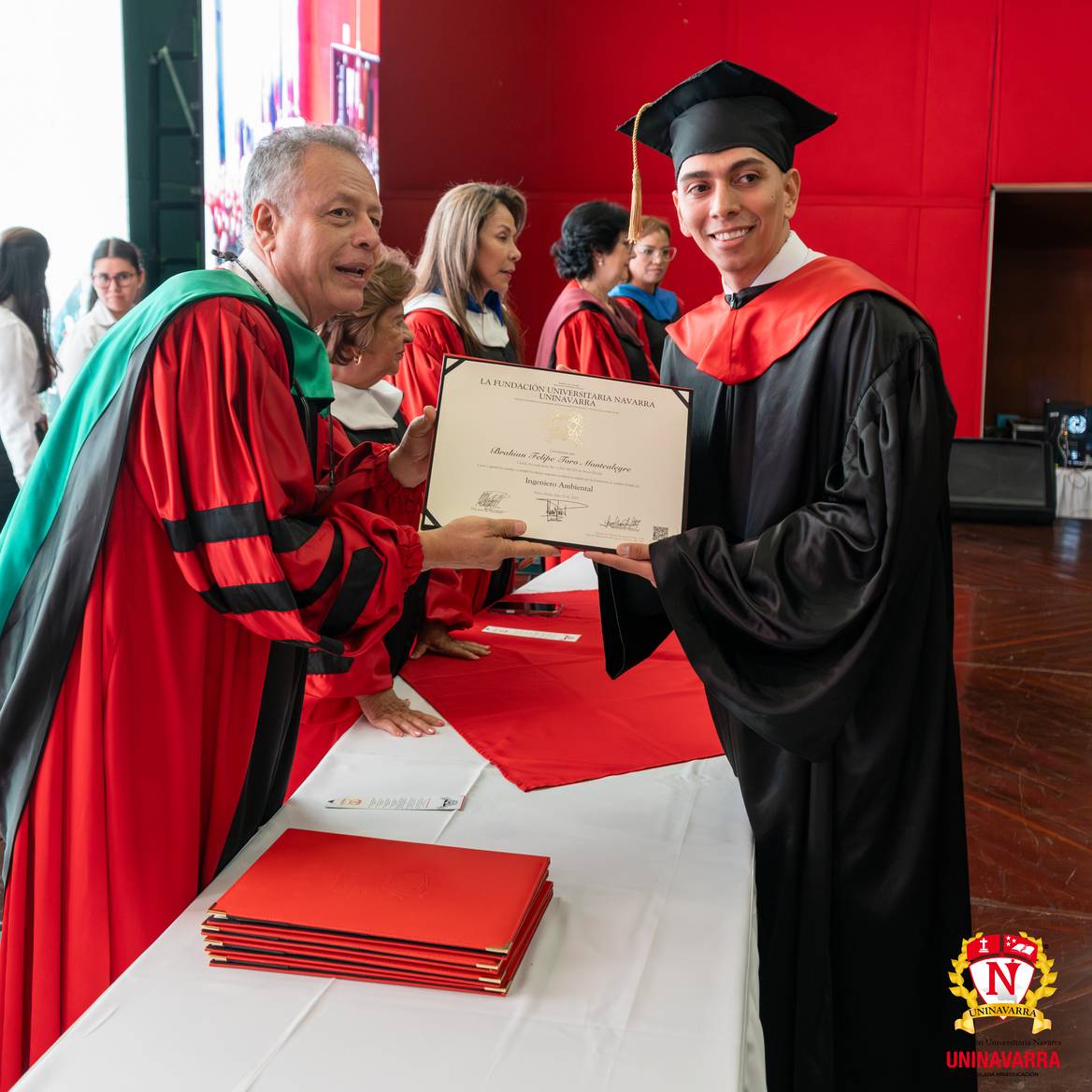
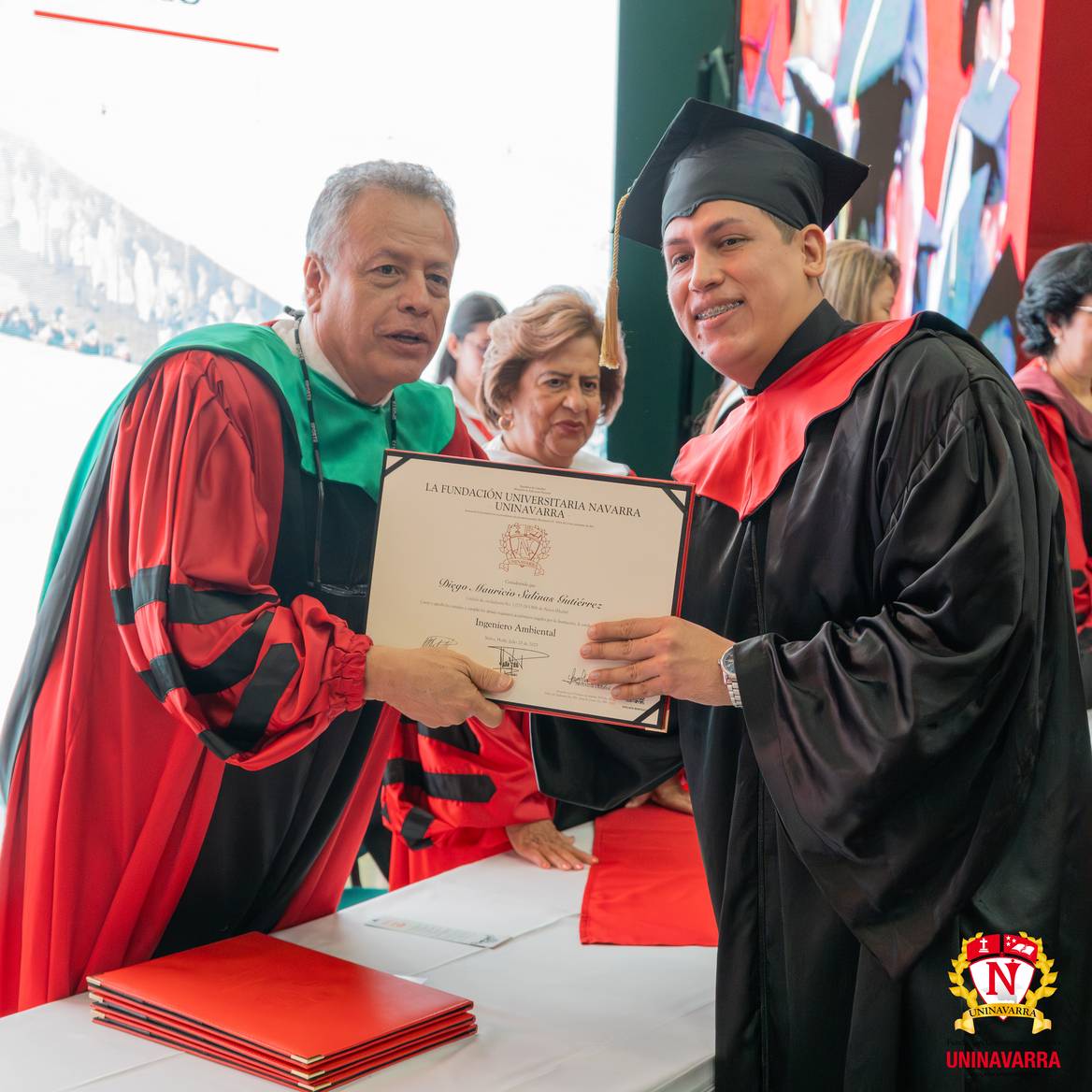
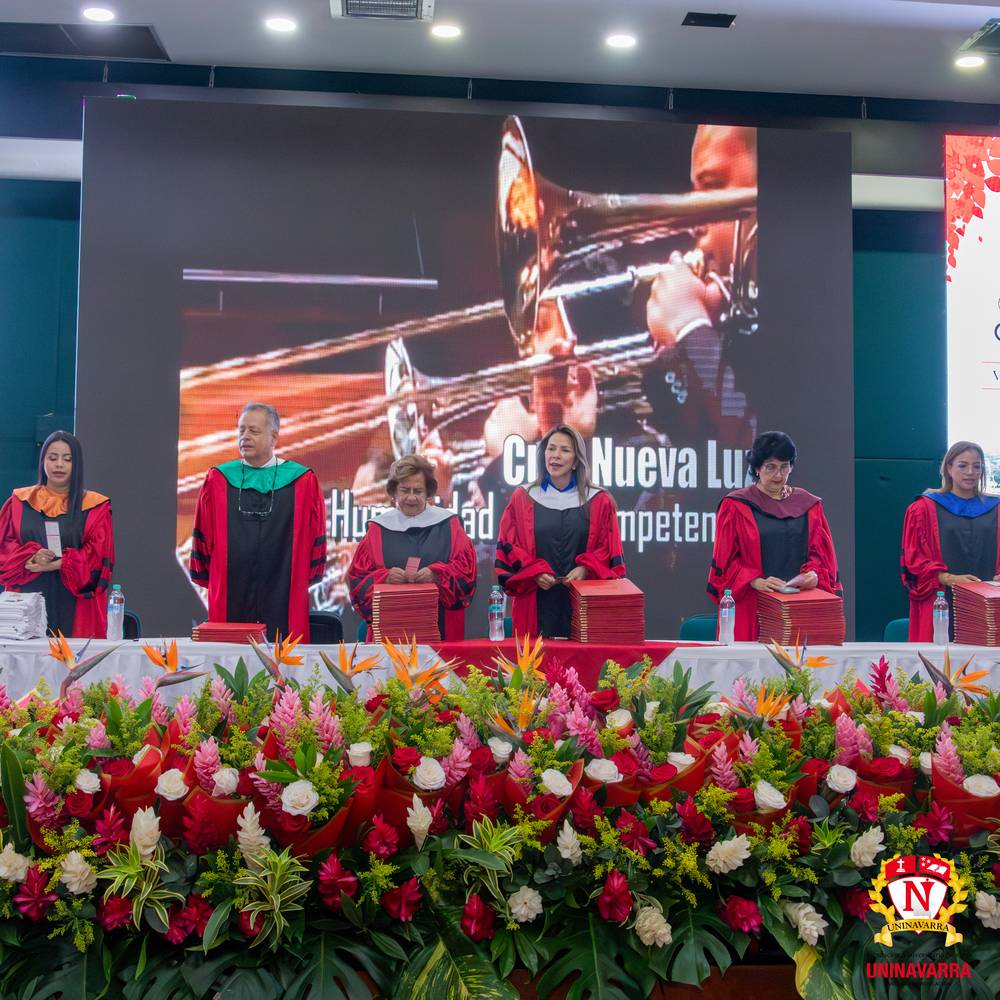
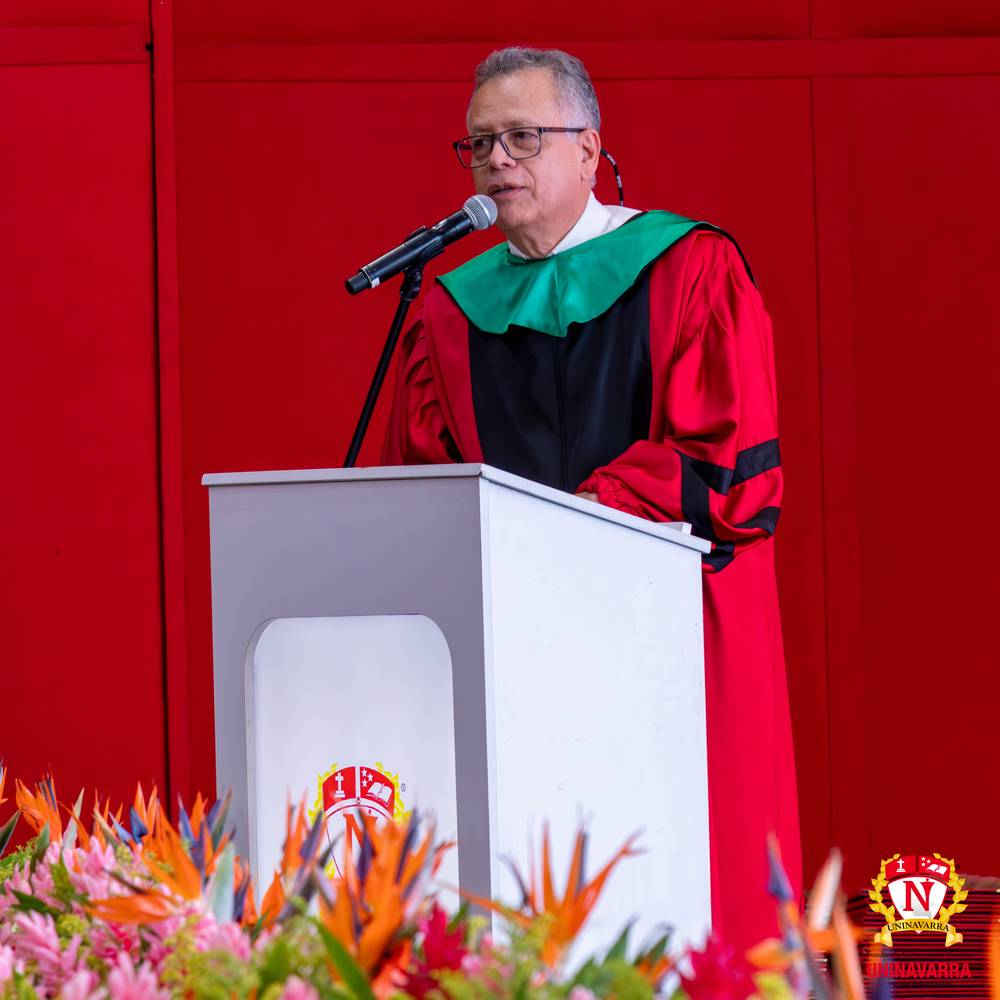

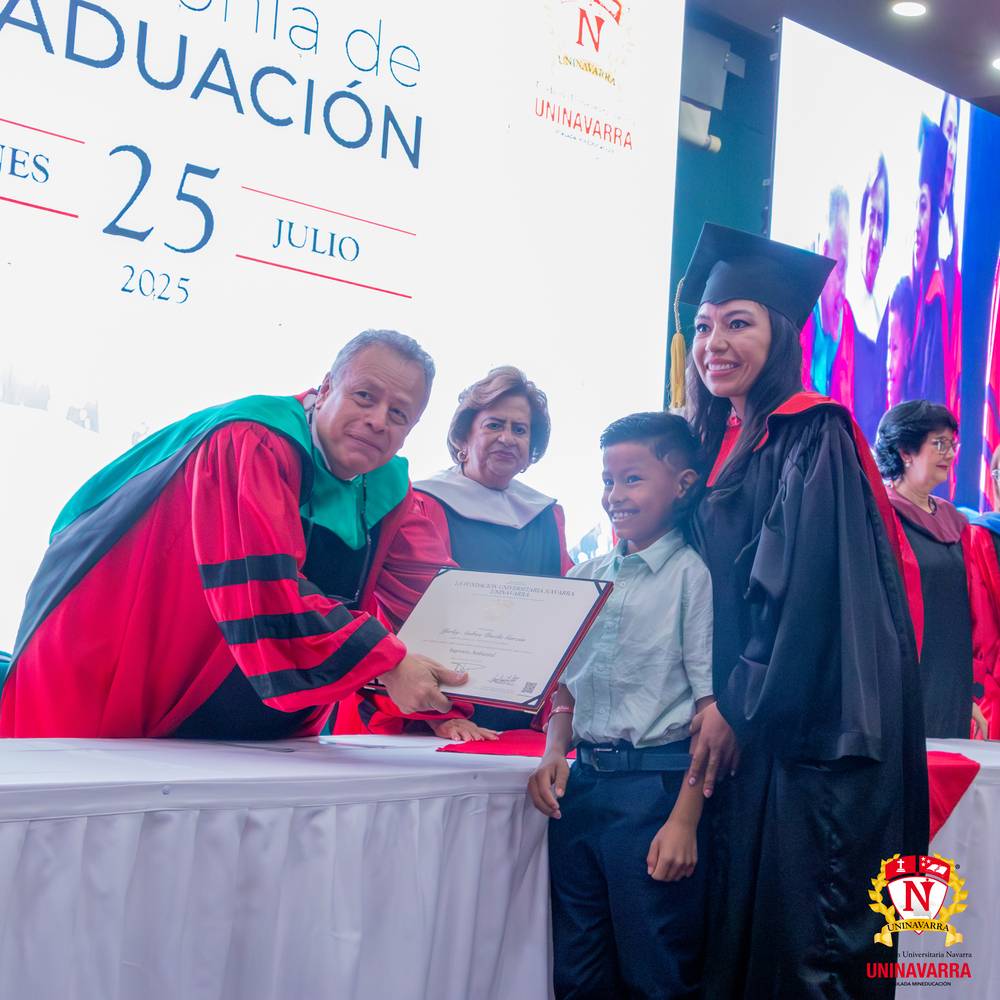
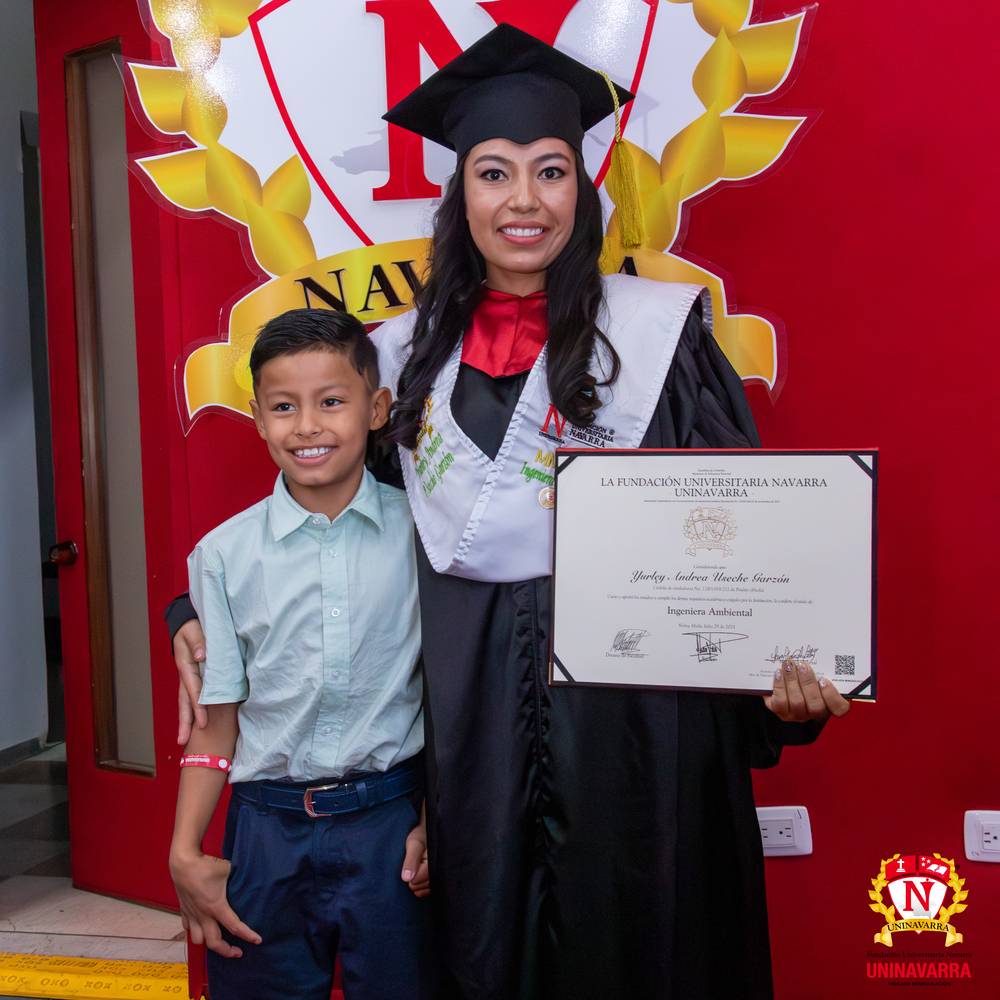
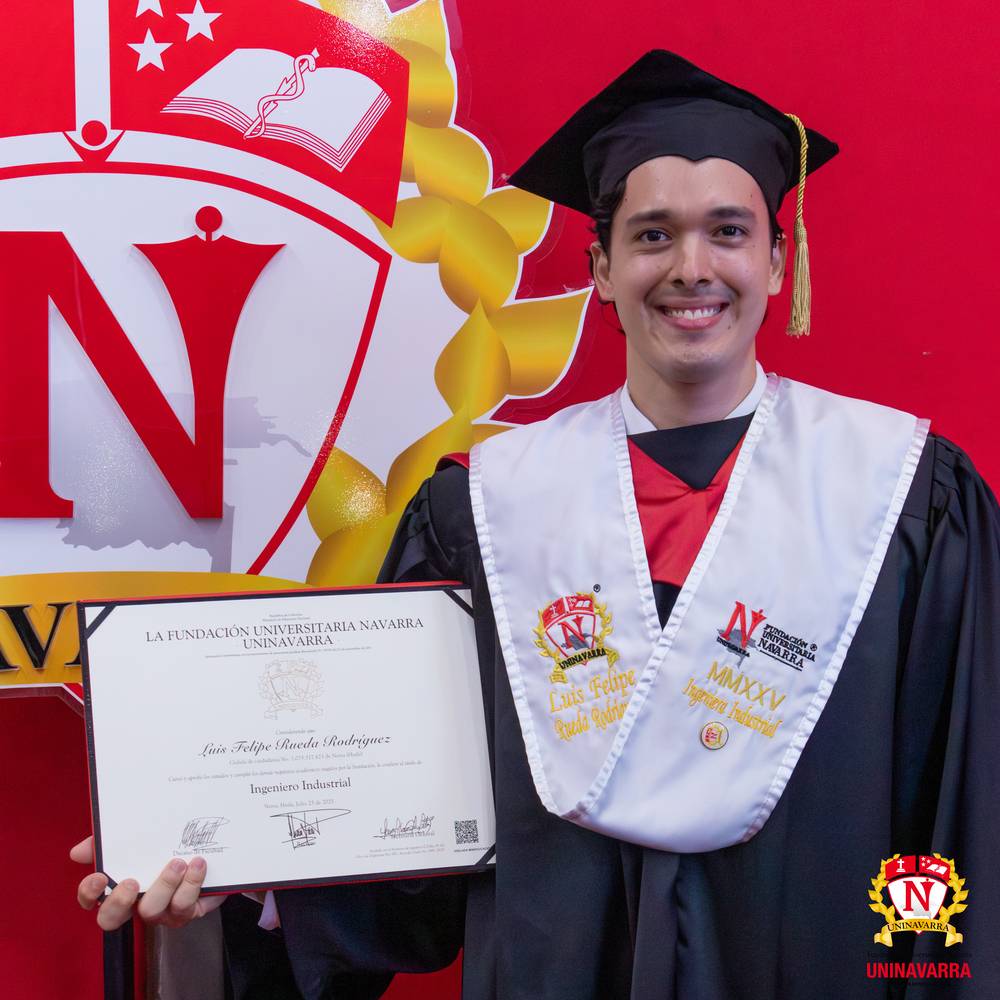
Emotion, pride and hope were present at the graduation ceremony of the School of Engineering, Architecture and Urbanism of the University Foundation Navarra UNINAVARRA, an event that brought together students, teachers, families and institutional authorities to celebrate the culmination of a fundamental academic stage. In a solemn and meaningful ceremony, professional degrees were awarded to the new Industrial Engineers and Environmental Engineers, recognizing in each of them the effort, perseverance and commitment demonstrated throughout their training process. The Dean's words, accompanied by excited looks and sincere smiles, highlighted the importance of this moment, not only for the graduates, but also for their families, the university community and the entire region.
The professionals graduating today represent the result of a rigorous, humane and sustainable development-oriented educational process. Each one has traveled a path of learning, challenges and personal growth, in which they have acquired technical skills, critical thinking, social sensitivity and solid professional ethics. Faithful to its institutional commitment, UNINAVARRA has accompanied this journey with an innovative, relevant and high quality educational proposal, where sustainability, technology, social projection and interdisciplinarity are fundamental pillars. Today, our new graduates are prepared to transform organizations, lead responsible processes, propose creative solutions and generate positive impact in their communities and productive sectors.
However, more than the closing of a stage, this ceremony marks the beginning of a new professional mission in an environment that demands transformational leadership, adaptation to change, global thinking and constant innovation. Challenges such as digital transformation, climate change, industrial automation and territorial development require professionals committed to the common good, guided by ethical principles and a deep social responsibility. From the Fundación Universitaria Navarra we invite our new engineers to be agents of change, to inspire by their example and to proudly carry the values of our institution. Thank you for allowing us to be part of your history! Today we bid you farewell as students and welcome you as UNINAVARRISTAS graduates, protagonists of the present and builders of the future.
Environmental Engineering students lead cleanup day in Los Colores Lagoon
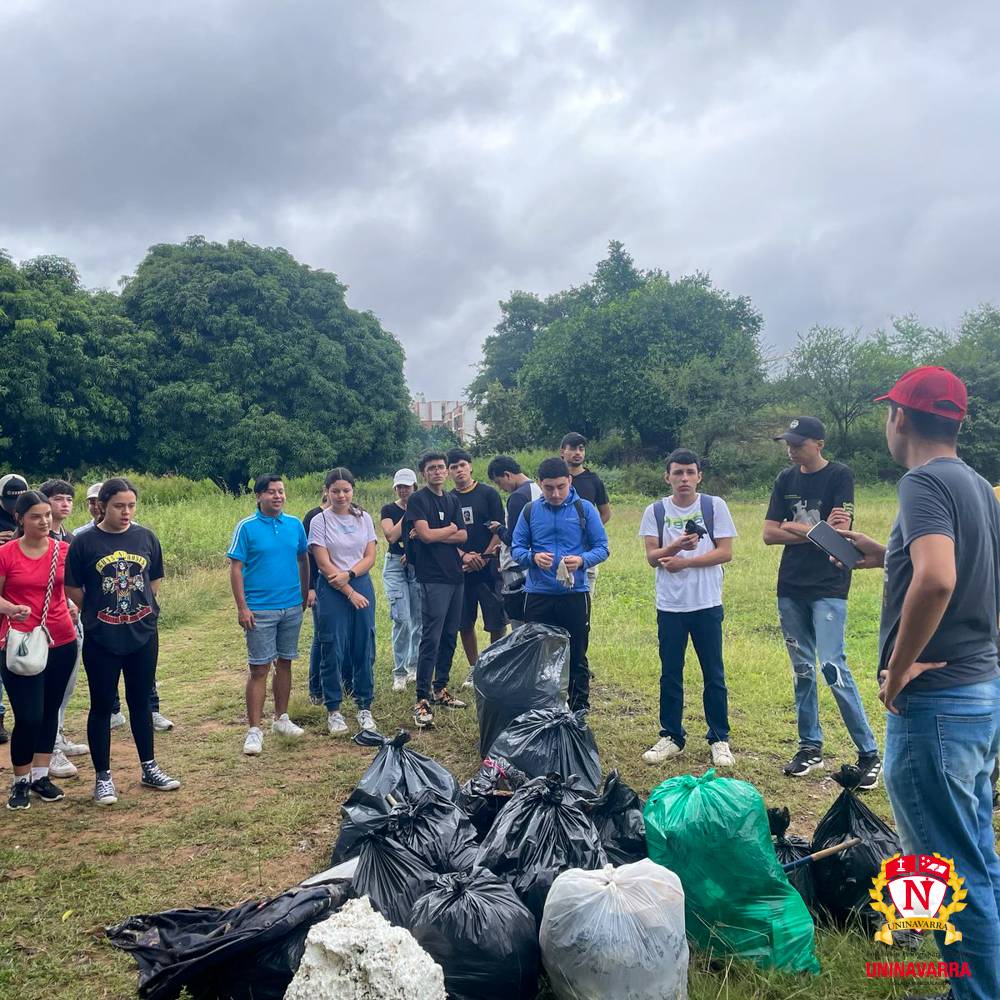
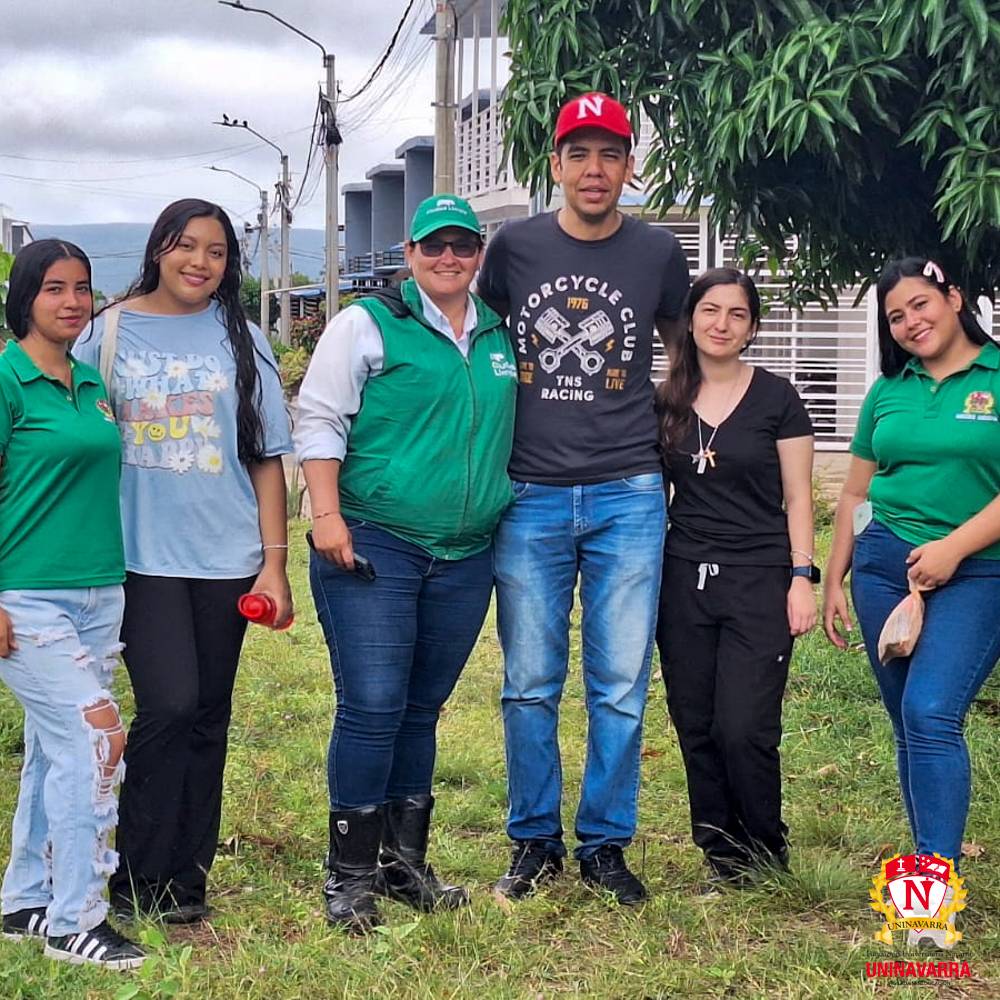
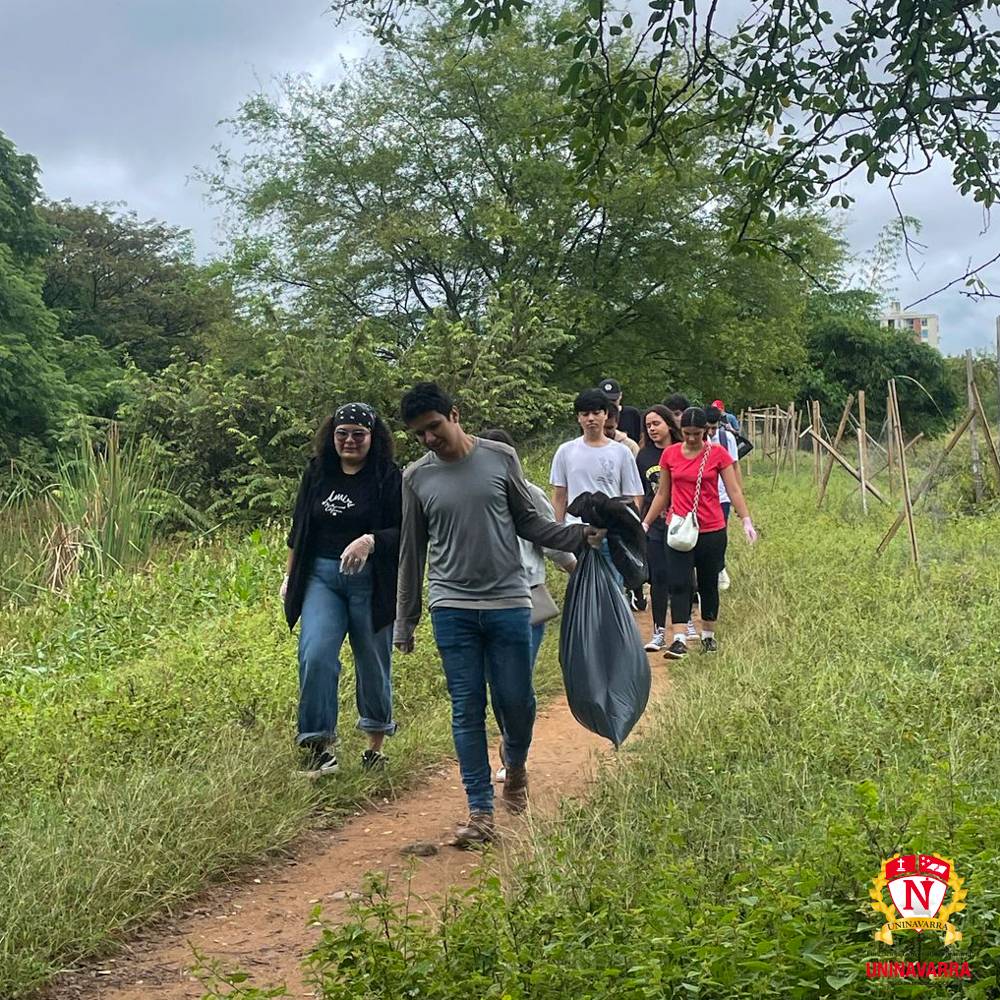
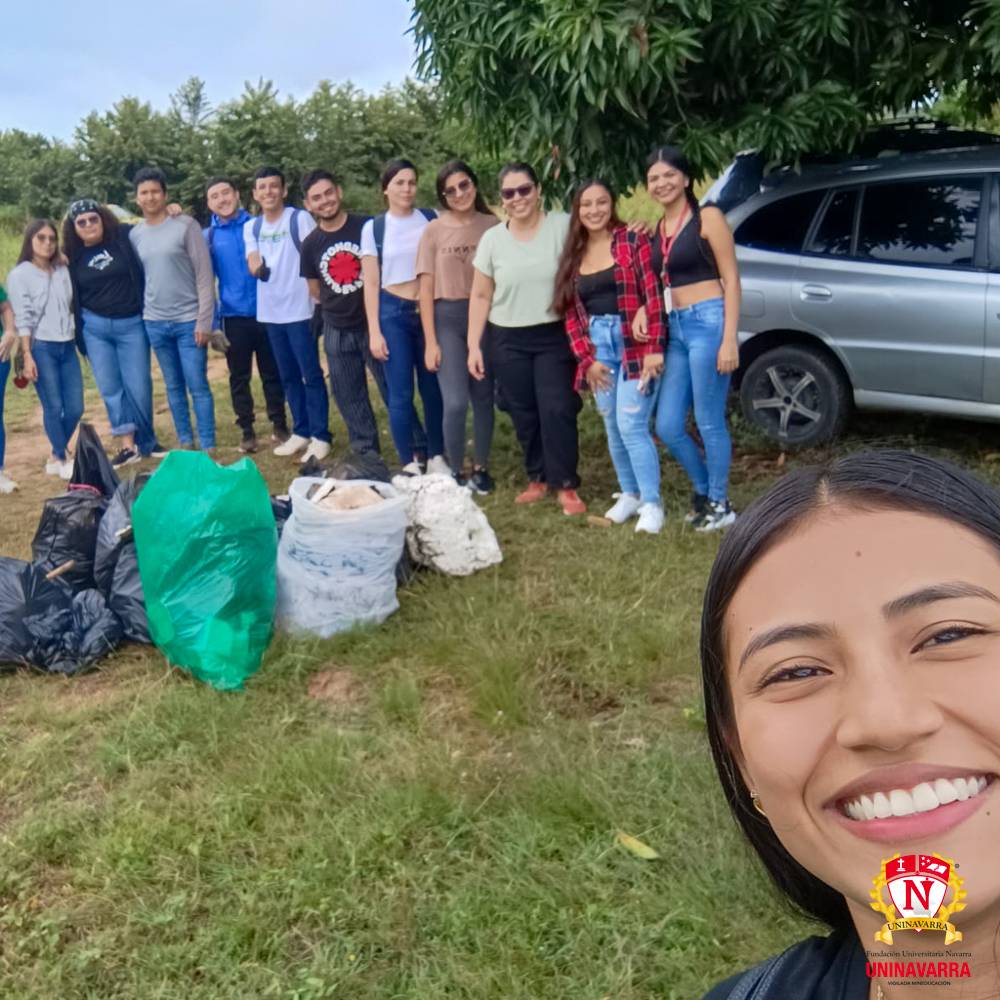
With the firm commitment to generate a positive environmental impact, the Environmental Engineering program of Fundación Universitaria Navarra led a cleaning and beautification day in the Los Colores Lagoon. This initiative, which had the valuable support of Ciudad Limpia, local community and students of the program, managed to mobilize joint efforts to recover this important body of water affected by solid waste and landscape deterioration.
During the day, more than 100 kilograms of waste were collected, waste was collected and cleaned, and awareness was raised about the care of the ecosystem. The active participation of the students not only strengthened their practical training in environmental management, but also consolidated a bridge of collaboration between academia, business and community, in favor of urban sustainability.
This project is part of the institutional strategy of social projection and environmental responsibility of the Navarra University Foundation, reaffirming its commitment to sustainable development and the welfare of the surrounding communities. The activity raised collective awareness about the importance of preserving our natural environments.
UNINAVARRA facing the world
We have an Internationalization Policy "UNINAVARRA FACING THE WORLD"which aims to offer the academic community a bridge between the local environment and the globalized world. Through its lines of action, it provides opportunities for interaction with the national and international environment in classroom and online mode, where you can live training experiences in other contexts, interact with people from different cultures, learn about the global dynamics and its social, cultural, economic, environmental changes, among others; enhance your career with national and international projection and strengthen your training as a global professional and citizen of the world.
Lines of action and opportunities:
- International Cooperation Management: Agreements, alliances, joint projects and networking with more than 200 institutions from different countries around the world such as Argentina, Brazil, Canada, Chile, Spain, United States, Italy, Mexico, Peru, among others.
- Academic Mobility Management: Student exchange opportunities during one or two academic periods throughout the development of the student's academic program in different types of mobility such as: Academic exchange (taking subjects), short course, internship, practicum, mission, research stay, observership and degree modalities. Teaching mobility as national and foreign visiting professors in your classroom.
- Multiculturalism and Multilingualism Management: Activities that contribute to the development of intercultural competencies and communicative competence in a foreign language, mainly English as a universal language.
- Management of the Internationalization of the Curriculum: Joint classes with other institutions through mirror class methodology or COIL (Collaborative Online International Learning).
More information: https://uninavarra.edu.co/internacionalizacion/
Related Programs