





Noticias
Mantente informado con las últimas noticias, logros y eventos de la comunidad UNINAVARRA.
Within each cell, winding through chromosomes, waiting to be decoded from DNA, are the genes that make us who we are. Harvard researchers are working to understand how these tiny instructions exert such a large influence on our lives.
In this free online Harvard course you can learn how to analyze DNA and RNA using open source software.
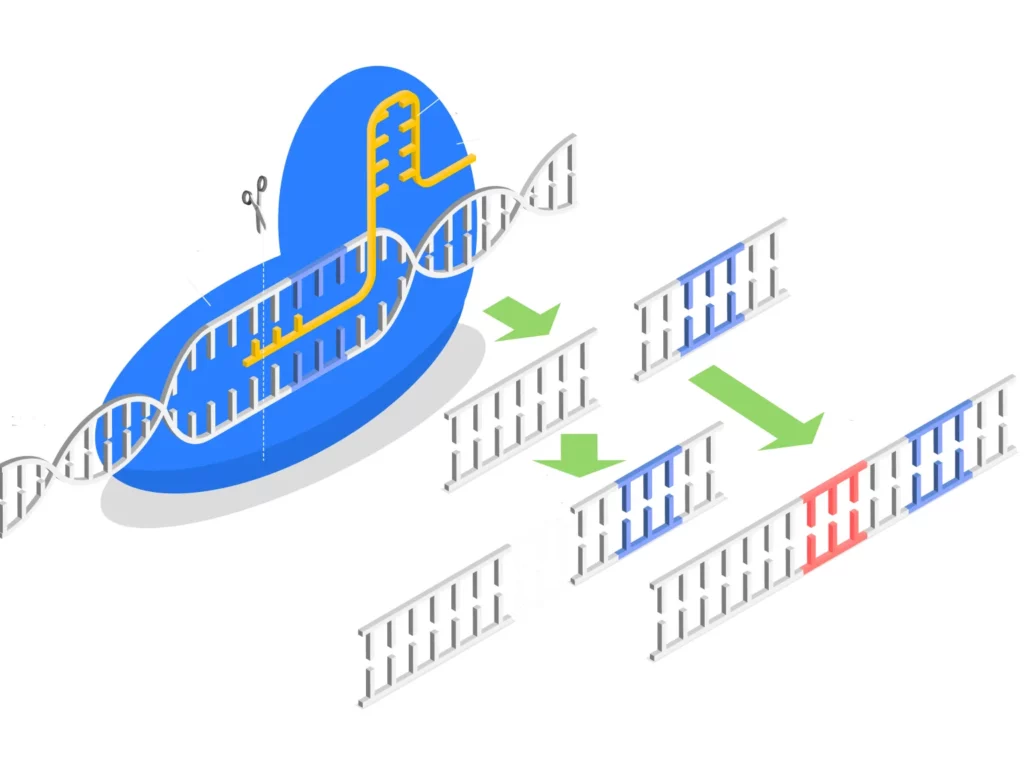
Hundreds of millions of people worldwide suffer from genetic diseases, including cancer. To help them, Professor David Liu, with support from the NIH, DARPA, and other federal agencies, is correcting genetic mutations by modifying DNA.
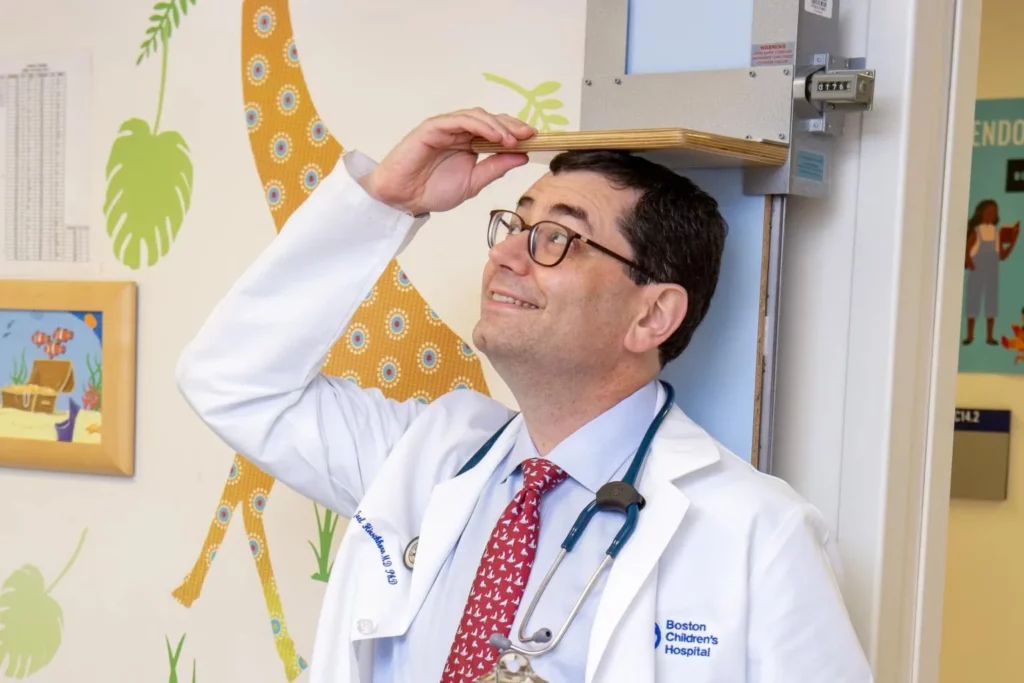
Geneticist Joel Hirschhorn’s fascination with the heredity of height, which has a long history in early genetics research, has led to insights about the biology of growth and disease.
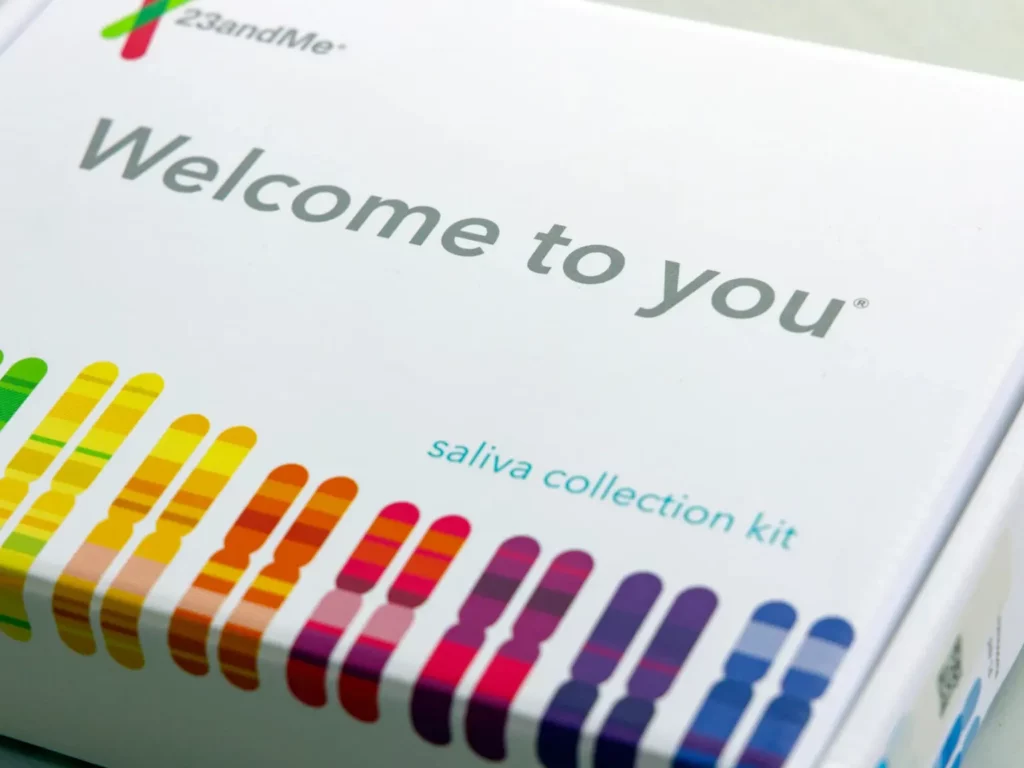
Harvard Law School’s I. Glenn Cohen explains the legal landscape surrounding genetic data, the reasons for more consumer protection laws, and the steps for consumers to protect their personal and genetic data.

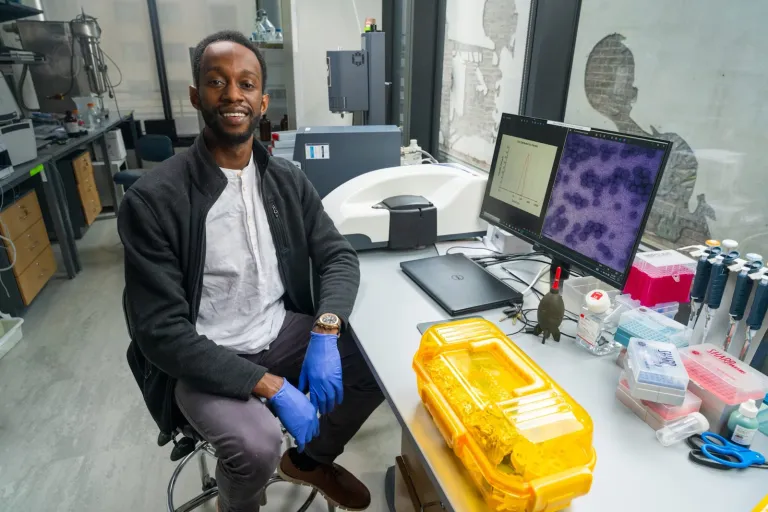
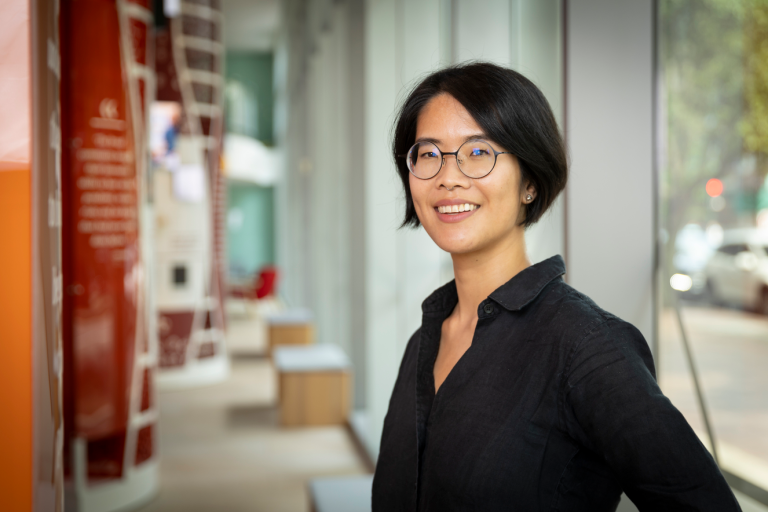
At Harvard’s Wyss Institute, Feyisayo is working on a method to transport gene editors to the right cells in the body, so they can directly correct mutations.

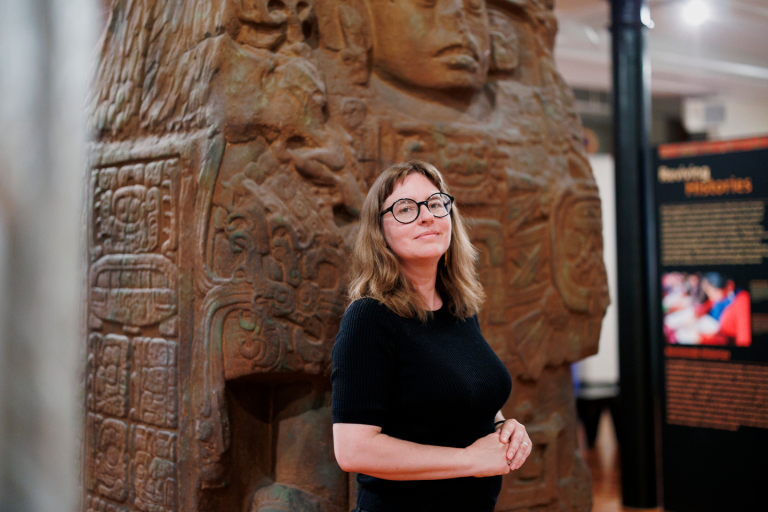
As a professor of scientific archaeology, Christina uses ancient DNA in her pioneering work cracking the mysteries of early human diets and health.

At Massachusetts General Hospital, Susan focuses on how genetic changes may shift over time for people with neuropsychiatric disabilities.
Did you know?
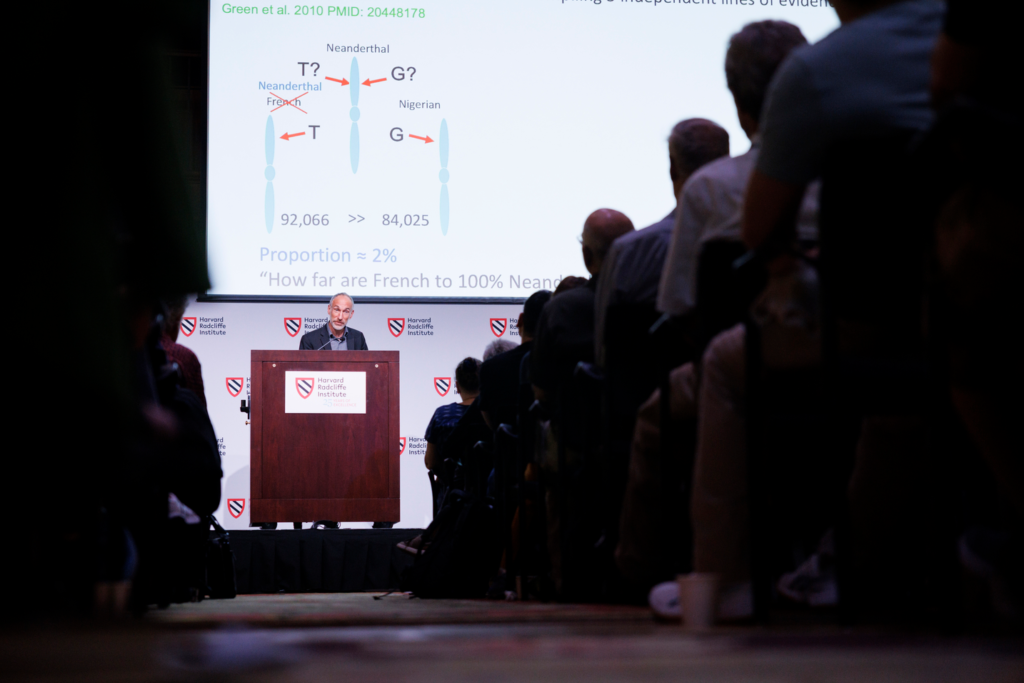
George Church, professor of genetics at Harvard Medical School, developed the first direct genomic sequencing method, which resulted in the first genome sequence. Since then, he helped initiate the Human Genome Project in 1984 and the Personal Genome Project in 2005.
“Polygenic risk score” tests comb through a person’s DNA to calculate genetic predisposition to things like heart disease, type 2 diabetes, Alzheimer’s disease, and common cancers. Should we all know our genetic disease risks? How do we make sense of what the scores tell us and don’t tell us?
Did you know?
First discovered as a defense system protecting bacteria against viruses, this genome-editing tool has been studied by scientists for decades because of its enormous potential.
In 2025, a team at Harvard Medical School helped create the world’s first approved medicine based on CRISPR/Cas9 gene-editing technology, and other CRISPR-based treatments developed at Harvard are soon to follow.
Harvard geneticist David Reich explains that everyone’s genetic background shows a mix from different waves of migration that washed over the globe. “The big perspective change from ancient DNA study is that people living today are almost never the descendants of the people in the same place thousands of years before.”
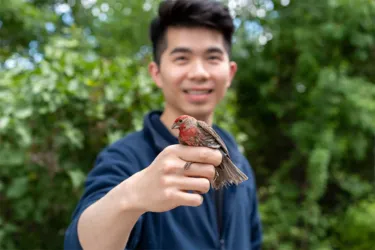
Researchers are exploring the genetics behind how flightless birds developed and how a major DNA flip helped the house finch become resistant to certain diseases.
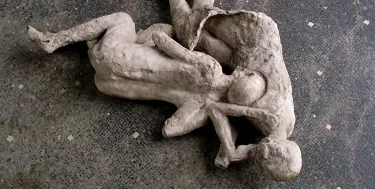
Investigators are using DNA and genetic variations to get a more complete view of life in ancient cultures of Pompeii, Chichén Itzá, Britain, the Caribbean, Pacific islands, and the Xiongnu people.
You may also like
Mantente informado con las últimas noticias, logros y eventos de la comunidad UNINAVARRA.
Enlaces rápidos >